
Buttermilk Pie Crust
This buttermilk pie crust recipe makes a rich, buttery, and ultra-flaky crust that's perfect for any pie. The buttermilk adds a subtle tang and enhances the buttery flavor, while the dough bakes up tender with lots of flaky layers. I have lots of simple tips to help you master homemade pie crust and never go back to store-bought again!
This post may contain affiliate links.
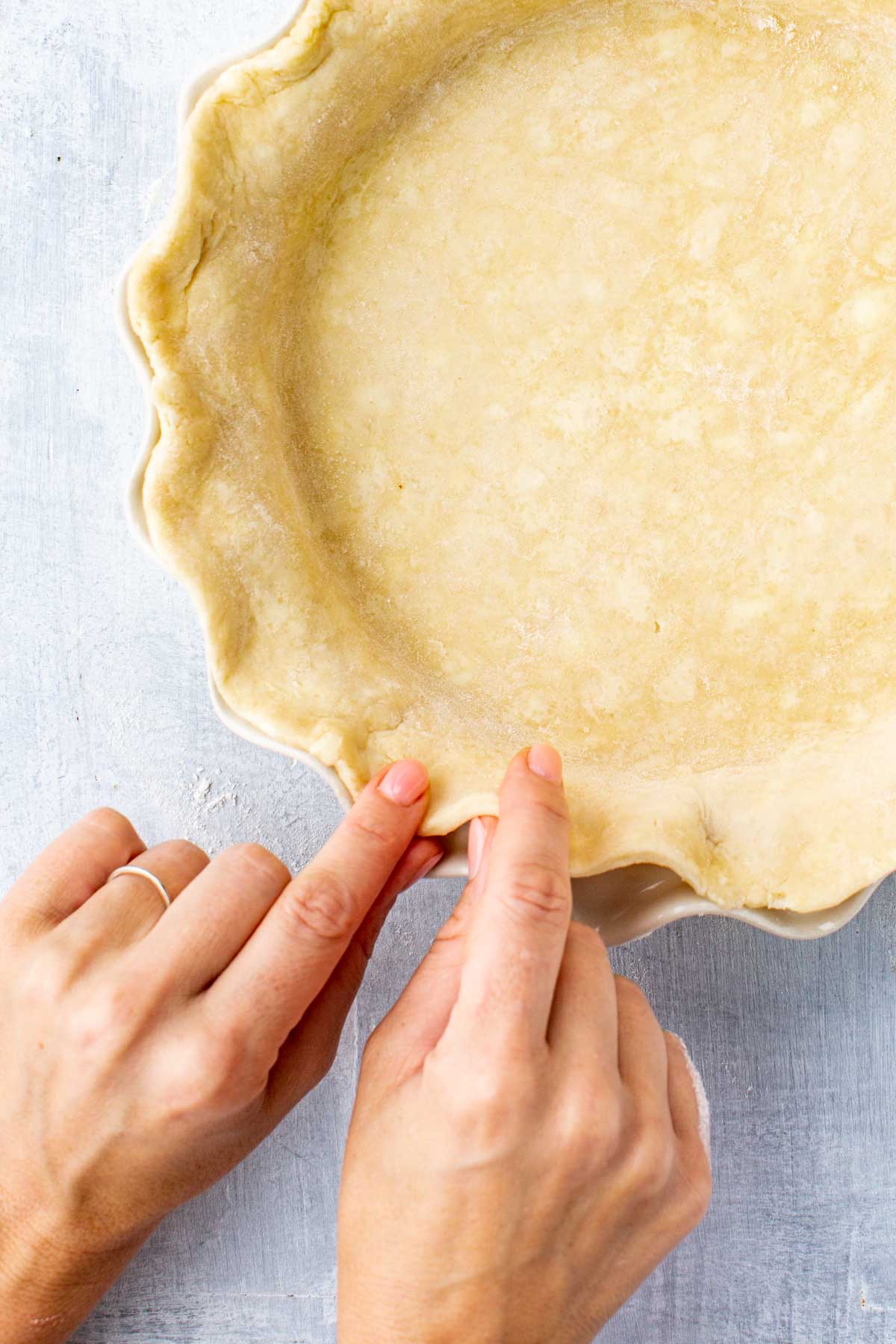
I learned how to make this recipe from none other than Bobby Flay! I got to attend a dessert tasting with him at one of his restaurants, and this pie crust absolutely blew me away.
I couldn't get over how rich and buttery the crust tasted, and his pastry team explained how they used buttermilk in place of water to add even more richness and buttery flavor. Genius!
I have a few different pie crusts on my website that I like to rotate through, but over the last few years I've been using this one almost exclusively. It's just that good!
I make most of my pie doughs in the food processor these days, but you can absolutely make this by hand too. Use a pastry cutter or a fork to cut the butter into the flour, then mix with a rubber spatula to combine.
The amount of buttermilk needed will ultimately depend on various factors, like how humid it is in your kitchen, so adjust as needed.
Only add more until the dough just holds together when you press it between your fingers. You can't take it out, so just add a little bit at a time!
Also, be very careful not to overwork the dough once the buttermilk has been added, or it will get tough very quickly.
I learned a new technique last year for forming the dough. It's an old rustic French method I came across on social media and it works incredibly well.
Simply dump the crumbs onto a large tea towel, then twist it up nice and tight so the dough forms into a ball. You can then split it in two, shape into discs, wrap the pieces in plastic wrap, then chill or freeze until ready to bake.
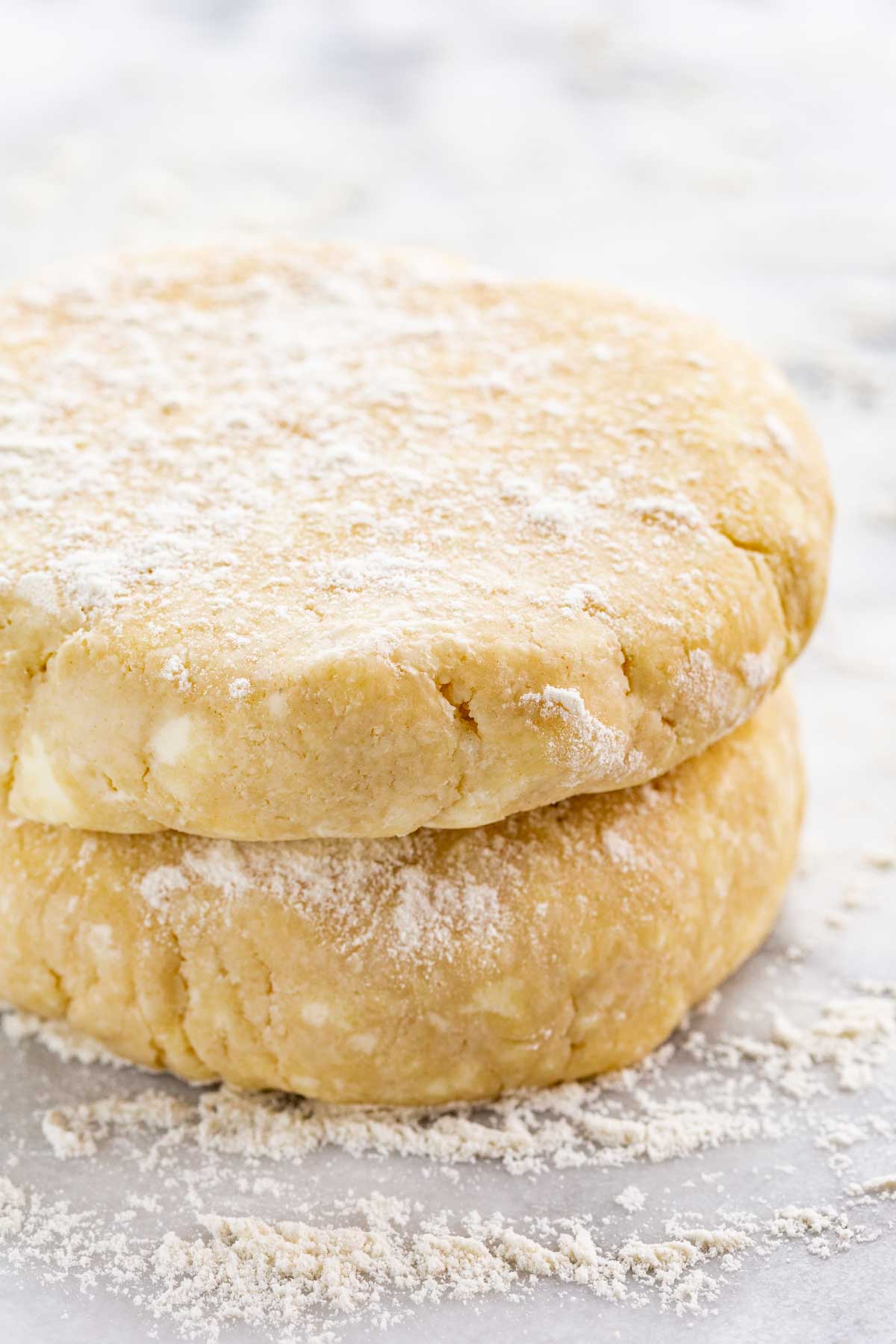
Want more homemade pie crust recipes? Try this classic Pasta Frolla, an Italian sweet shortcrust pastry, my foolproof flaky Pie Dough, or this nostalgic recipe for my Grandma's Crisco Pie Crust.
Why This Recipe Works
- Using buttermilk instead of water creates an extra rich and buttery crust.
- Comes together easily in a food processor, but it can also be made by hand.
- Using cold ingredients helps create a light and flaky crust.
- My tea towel technique prevents overworking for the perfect consistency.
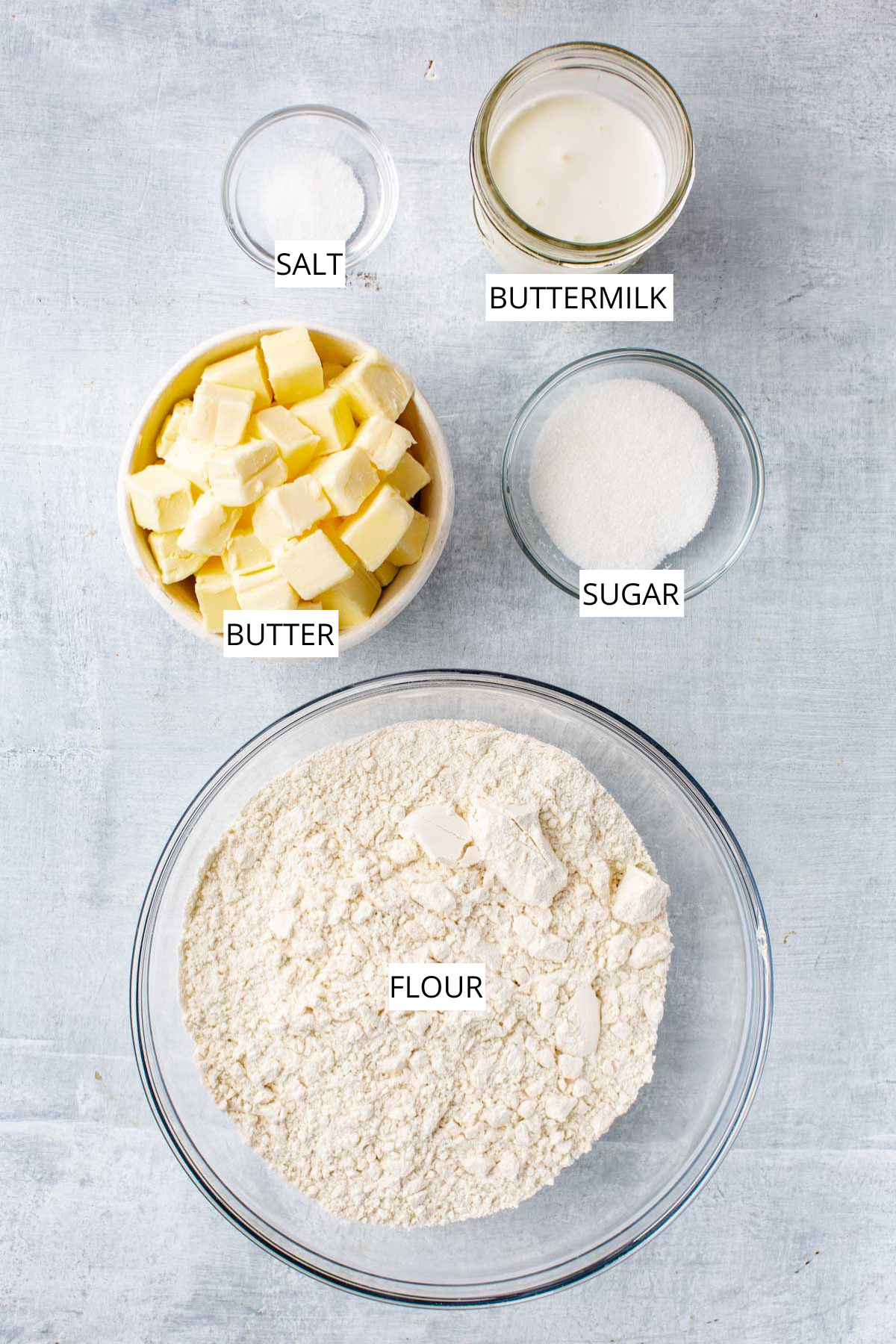
Ingredients for Buttermilk Pie Crust
Buttermilk - Buttermilk is key! Make sure it's cold and shaken up well before pouring. If you don't have any buttermilk, you can mix a tablespoon of white vinegar into a cup of whole milk, then let it sit for 5 minutes before using.
Unsalted Butter - Use a good quality European butter for the flakiest texture and most pronounced buttery flavor.
Flour - All-purpose flour works best for this pie dough recipe. It forms a stable base and provides just enough structure while still keeping a tender, flaky crust.
Sugar - I like to add a bit of sugar for sweet pies, but make sure you omit it for savory pies.
Salt - I use Diamond Crystal Kosher salt, which is less salty than other brands. You may need to adjust to taste.
*Find the full ingredient list in the recipe card below!
Helpful Equipment
- Food processor
- Pastry cutter
- Rolling pin
- Bench scraper
- Large bowl
- Measuring cups
- Pour spout liquid measure
- Plastic wrap
How to Make Buttermilk Pie Crust

- Place the dry ingredients, flour, sugar (omit for savory pies) and salt, in the bowl of a food processor and pulse a few times to combine.
- Add the cold cubed butter and pulse until the mixture looks like coarse crumbs with a few larger pea-sized pieces remaining.
Pro Tip: If making by hand, use a pastry cutter or a fork to cut the butter into the flour, then mix with a rubber spatula to combine with the buttermilk.
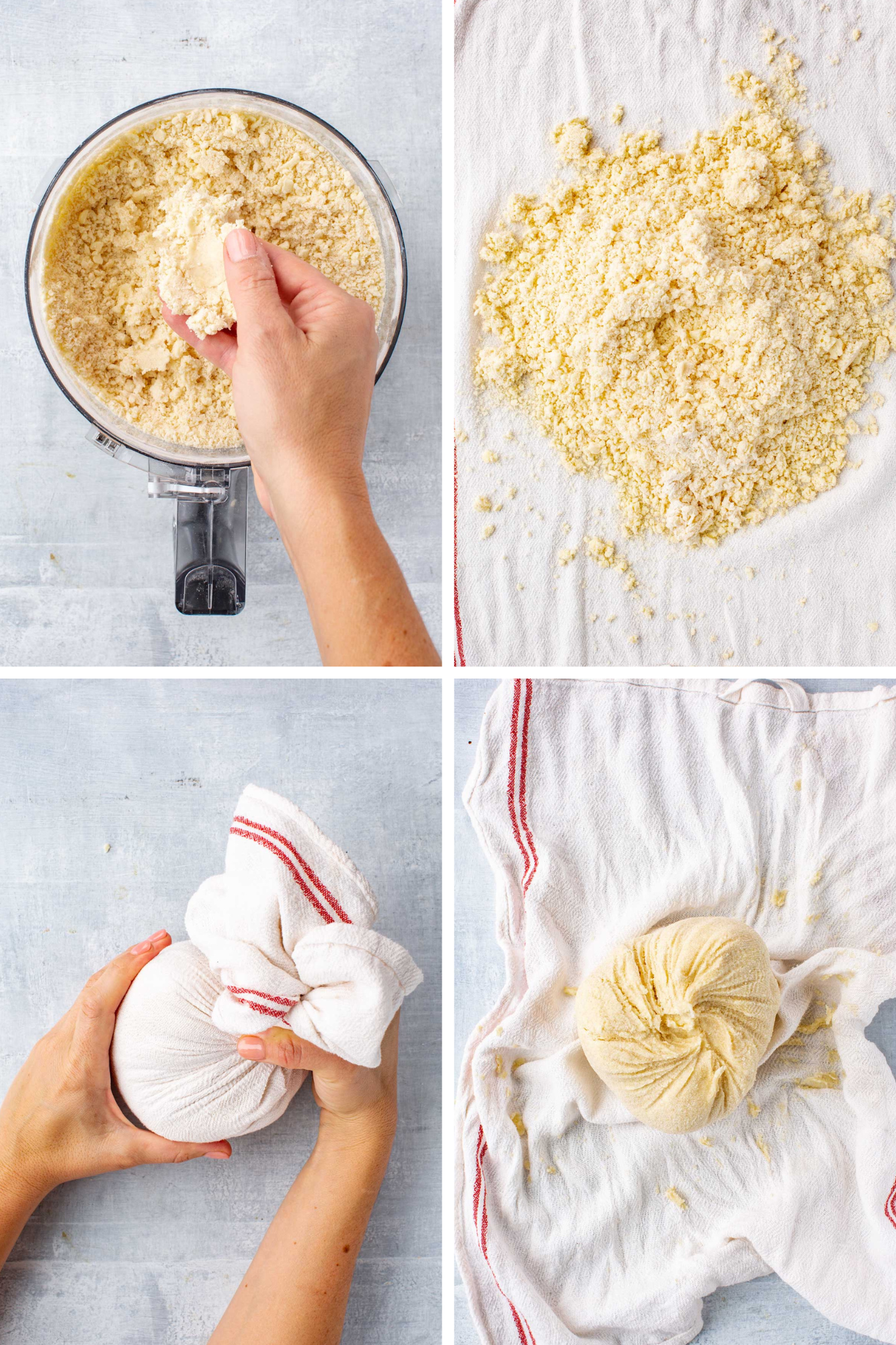
- Pour in the cold buttermilk, then pulse several times and check the dough by squeezing some of it between your fingers. If it comes together easily and feels moist, it's ready. If it feels dry and won't press together easily, add 1 tablespoon of buttermilk at a time, pulsing briefly until it just holds together.
- Turn the dough out onto a clean tea towel, then twist it up tightly to gather the dough into a ball.

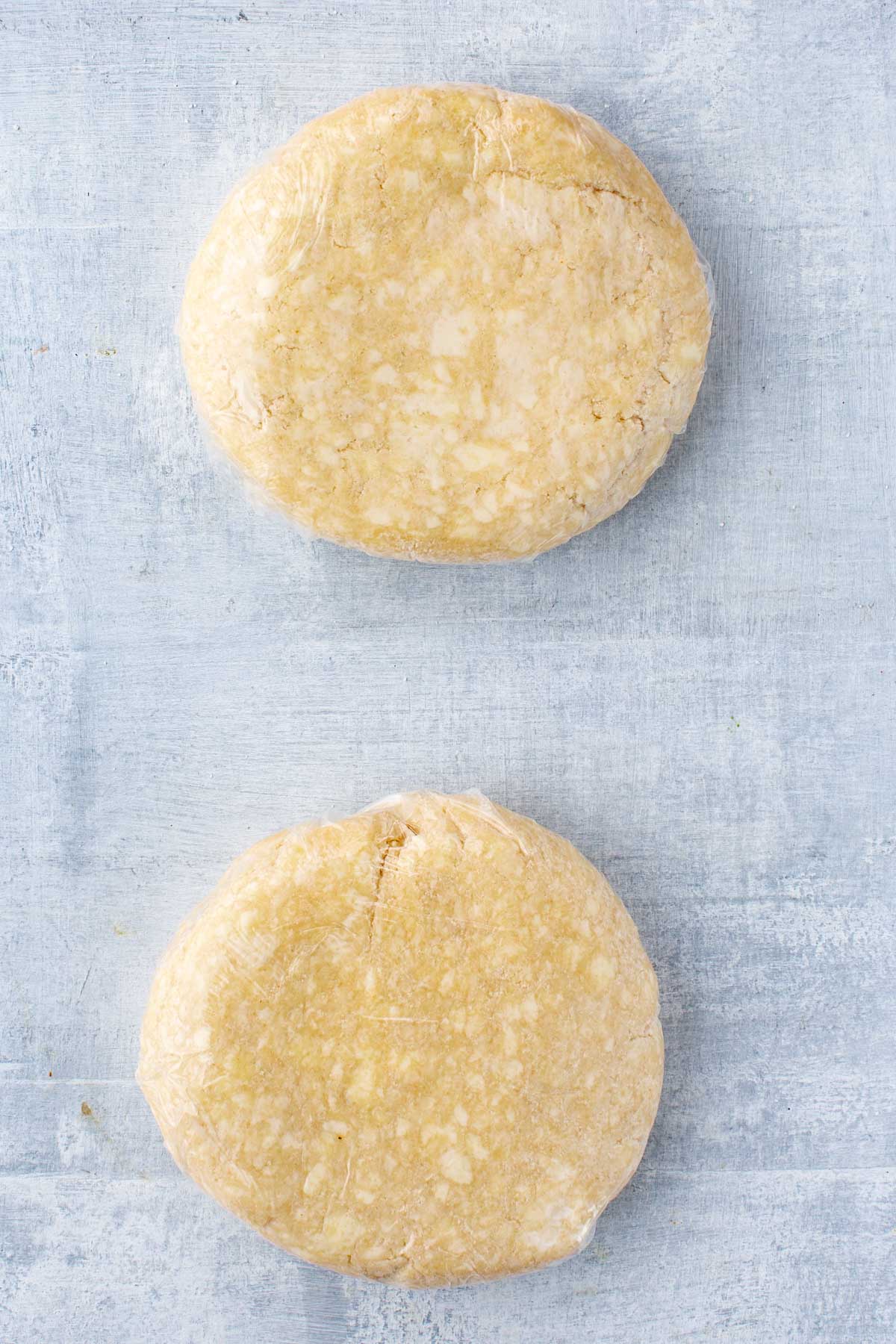
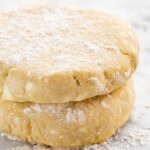
- Divide in half and shape each portion into a disc about 1 inch thick.
- Wrap both discs tightly in plastic wrap and refrigerate for at least 1 hour before rolling out. The dough can also be frozen for up to 3 months.
Roll Out and Assemble
- When you're ready to put your pie together, remove one disc at a time from the refrigerator and place on a lightly floured work surface.
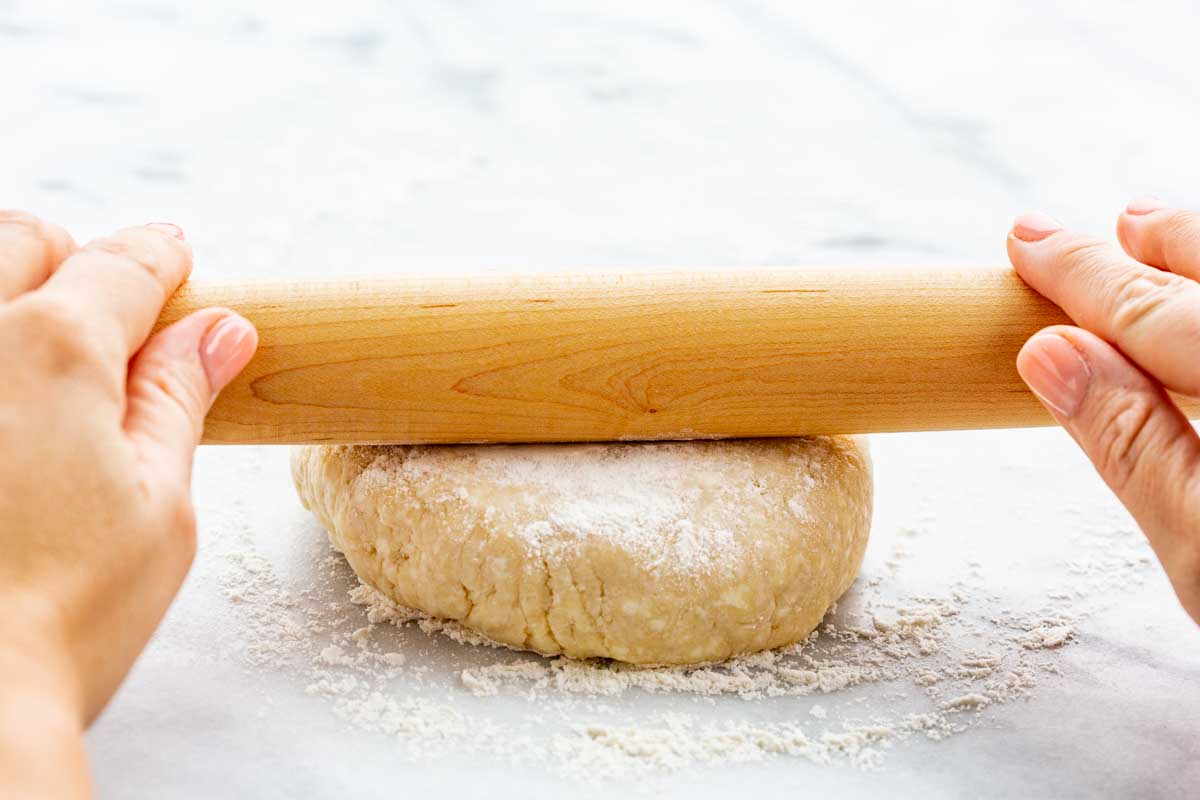
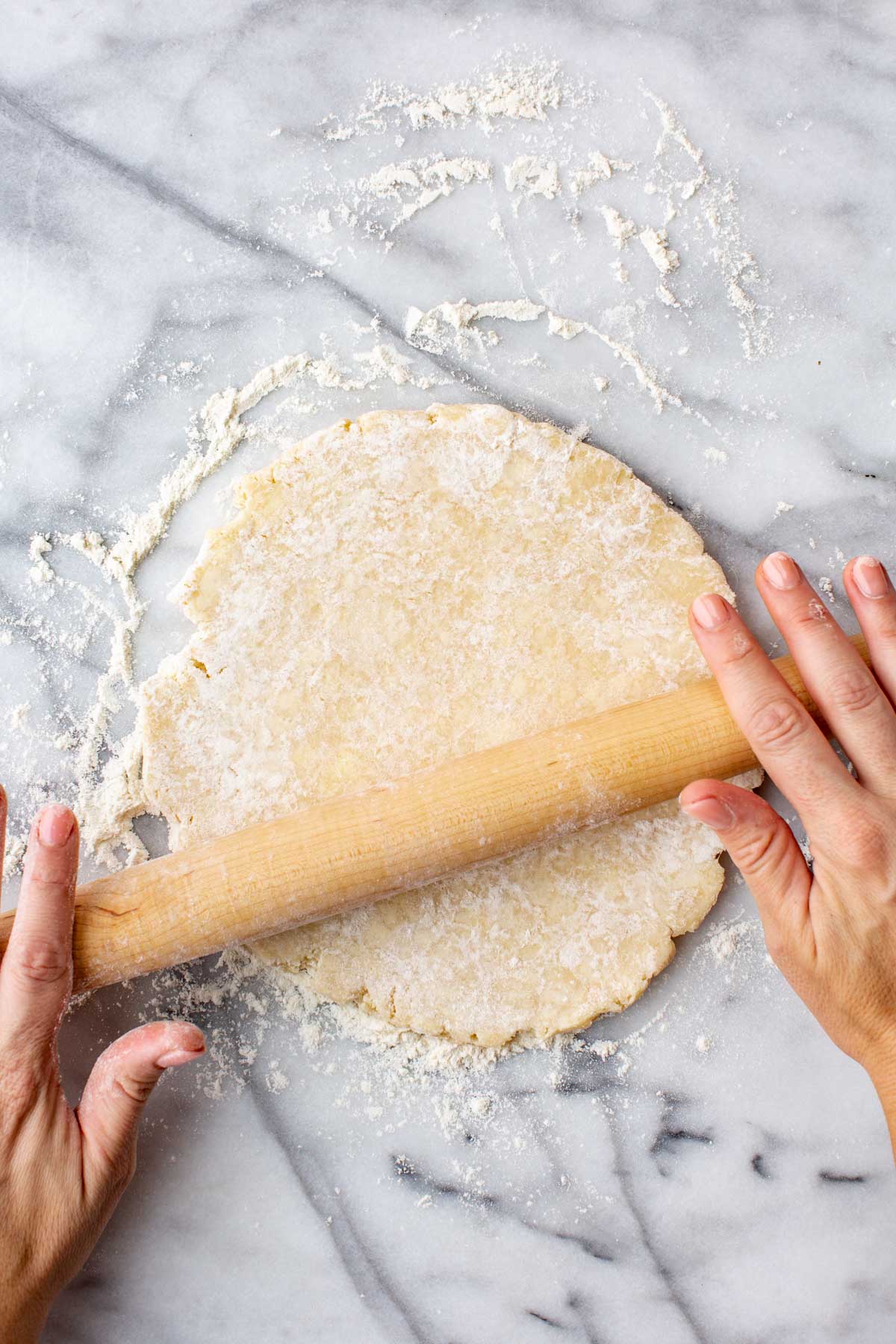
- Roll out the dough by starting at the bottom and rolling the pin away from your body, rotating the dough 90 degrees every 1-2 rolls to keep it round. Transfer to a pie plate,
For a single-crust pie, tuck the loose pieces under, then use your fingers or a fork to crimp the edges and proceed with your recipe.
For a double-crust pie, remove the second piece of dough from the refrigerator and roll it out the same way as the first.
Add your favorite filling to the bottom crust and then transfer the rolled-out dough over the top, just like you did the bottom.
Use your fingers to pinch the top and bottom crusts together to seal in the filling.
Tuck and roll the overhang under, then use your fingers or a fork to crimp the pie crust edges. Cut a few slits to vent the top, then brush all over with the egg wash.
How to Blind Bake For a Single Crust Pie
- Once the dough is rolled out, prick the bottom with a fork a few times all over, then transfer to the freezer for a minimum of 30 minutes before baking. This prevents shrinkage!
- Preheat the oven to 375°F.
- Line the frozen crust with a layer of parchment paper or foil, then fill with either dried beans or pie weights, making sure they are evenly distributed.
- Bake for 20 minutes, then remove the parchment and weights and let cool. It's now partially baked and ready to fill and continue baking.
- For a fully baked crust, prick the bottom all over with a fork, then bake for another 20 minutes or until golden brown all over.
How to Bake For a Double Crust Pie
Preheat the oven to 425°F and make move the oven rack to the bottom third of the oven with enough space to fit the pie.
Brush the pie all over with egg wash, then place on a parchment lined baking sheet to catch any drips. Make sure there are a few vents in the top of the pie to allow steam to escape.
Bake for 20 minutes, then lower to 350 and bake for an additional 45 minutes to an hour. it should be golden brown all over with the filling bubbling up out of the vents.
Tips for Making Pie Dough
- Keep everything as cold as possible, especially the butter and buttermilk, to ensure the crust bakes up flaky.
- If the crust seems too dry even after adding more buttermilk, cover and let it rest for 10-15 minutes to let the flour hydrate. If it's still not coming together, mix in 1 more tablespoon of buttermilk and try again.
- If you don't have buttermilk, make your own by stirring 1 tablespoon of lemon juice into 1 cup of milk and letting it sit for 5 to 10 minutes until slightly thickened.
- Don't overwork the dough. Stop mixing as soon as it holds together, otherwise it can turn tough.
- Use this dough for both sweet pies and savory pies by adjusting the sugar.
Variations
- Try substituting part of the flour mixture with whole wheat flour for a nutty flavor.
- Divide the dough into smaller pieces for hand pies, galettes or other pastries.
- Replace 2 tablespoons of buttermilk with vodka for an even flakier texture.
Serving Suggestions
This flaky pie crust makes a perfect base for both sweet and savory pie recipes. Use it for all kinds of fruit pies like this summery Peach Pie, a simple Blueberry Pie, my Grandma's Apple Pie or this Blueberry Peach Crostata. It's also ideal for creamy custard desserts such as old-fashioned Custard Pie, pumpkin pie or Ricotta Pie.
It's also great in savory pies like this double crusted Chicken Pot Pie or a spring Asparagus Goat Cheese Quiche.
How to Store
Wrap the dough tightly in plastic wrap and store it in the refrigerator for up to 3 days. For longer storage, place the wrapped discs in a freezer-safe bag and freeze for up to 3 months.
Thaw overnight in the refrigerator before rolling out on a lightly floured surface.
If blind baked or pre-baked, pie shells can be refrigerated for up to 5 days. Reheat in a 350°F oven on a sheet pan until crisp.
FAQs
Yes. You can make your own buttermilk by mixing a cup of milk with a tablespoon of lemon juice, then letting it sit for 5 to 10 minutes before using. However, the flavor won't be as buttery and tangy.
Use a bench scraper to help lift the dough from the counter, then gently drape it over the rolling pin and unroll it into the pie pan.
Avoid stretching it when fitting it into the pan. Press gently into the base corners of the pie dish and chill the crust before baking.
For custard pies or any single-crust pie like pecan pie or chess pie, blind bake using pie weights lined with a piece of parchment paper to keep it from puffing or shrinking.
Absolutely. Just omit the sugar and it works perfectly for quiches or chicken pot pie.
A truly flaky pie crust depends on keeping each small piece of butter cold and visible in the dough. If the butter melts completely before baking or the dough is overworked, you'll lose those layers. Always roll the dough on a clean surface, applying a light dusting of flour, and chill it before baking to help lock in the texture. Bake until golden brown.



Did you LOVE this recipe? Please leave a star ⭐️ rating and comment and tag your creations @ColeyCooks on Instagram!
Want to Save This Recipe?
Enter your email & I'll send it to your inbox along with my best Thanksgiving ideas and tips.
By submitting this form, you consent to receive emails from Coley Cooks.
Homemade Buttermilk Pie Crust
Ingredients
- 2 ½ cups all purpose flour
- 2 tablespoons sugar omit for savory pies
- 1 teaspoon Kosher salt
- 1 cup unsalted butter (16 tablespoons or 2 sticks), very cold, cut into cubes
- ½ cup buttermilk very cold, plus more as needed
Instructions
Make the Dough
- Place the flour, sugar and salt in the bowl of a food processor and pulse a few times to combine.
- Add the cold cubed butter and pulse until the mixture looks like coarse crumbs with a few larger pea-sized pieces remaining.
- Pour in the cold buttermilk, then pulse several times and check the dough by squeezing some of it between your fingers. If it comes together easily and feels moist, it's ready. If it feels dry and won't press together easily, add a tablespoon more buttermilk at a time, pulsing briefly until it just holds together.
- Turn the dough out onto a clean tea towel, then twist it up tightly to gather the dough into a ball.
- Divide in half and shape each portion into a disc about 1 inch thick.
- Wrap both discs tightly in plastic wrap and refrigerate for at least 1 hour before rolling out. The dough can also be frozen for up to 3 months.
Roll Out and Assemble
- When you're ready to put your pie together, remove one disc at a time from the refrigerator and place on a lightly floured work surface.
- Roll out the dough by starting at the bottom and rolling the pin away from your body, rotating the dough 90 degrees every 1-2 rolls to keep it round. Transfer to a pie plate.
For a single-crust pie
- Tuck the loose pieces under, then use your fingers or a fork to crimp the edges and proceed with your recipe.
For a double-crust pie
- Remove the second piece of dough from the refrigerator and roll it out the same way as the first. Add your favorite filling to the bottom crust and then transfer the rolled-out dough over the top, just like you did the bottom.
- Use your fingers to pinch the top and bottom crusts together to seal in the filling, then tuck and roll the overhang under. Use your fingers or a fork to crimp the pie crust edges.
How to Blind Bake For a Single Crust Pie
- Once the dough is rolled out, prick the bottom with a fork a few times all over, then transfer to the freezer for a minimum of 30 minutes before baking. This prevents shrinkage!
- Preheat the oven to 375°F.
- Line the frozen crust with a layer of parchment paper or foil, then fill with either dried beans or pie weights, making sure they are evenly distributed.
- Bake for 20 minutes, then remove the parchment and weights and let cool. It's now partially baked and ready to fill and continue baking.
- For a fully baked crust, prick the bottom all over with a fork, then bake for another 20 minutes or until golden brown all over.
How to Bake For a Double Crust Pie
- Preheat the oven to 425°F and make move the oven rack to the bottom third of the oven with enough space to fit the pie.
- Brush the pie all over with egg wash, then place on a parchment lined baking sheet to catch any drips. Cut a few vents in the top of the pie to allow steam to escape.
- Bake for 20 minutes, then lower to 350 and bake for an additional 45 minutes to an hour. it should be golden brown all over with the filling bubbling up out of the vents.
Notes
- Keep everything as cold as possible, especially the butter and buttermilk, to ensure the crust bakes up flaky.
- If you don't have buttermilk, make your own by stirring 1 tablespoon of lemon juice into 1 cup of milk and letting it sit for 5 to 10 minutes until slightly thickened.
- If the crust seems too dry even after adding more buttermilk, cover and let it rest for 10-15 minutes to let the flour hydrate. If it's still not coming together, mix in 1 more tablespoon of buttermilk and try again.
- Don't overwork the dough. Stop mixing as soon as it holds together, otherwise it can turn tough.
- Use this dough for both sweet pies and savory pies by adjusting the sugar.

This recipe produces the flakiest most delicious pie crust. It takes time because of the multiple chills required, but the result is worth it.
I'm so glad you think so, too! It's been my go-to ever since trying it. The buttermilk really adds so much more flavor. Thanks for leaving a review!
Reminds me of the old fashioned pie crust recipes our grandparents used.
Thanks Teresa! My grandma always used Crisco, but this recipe has become my absolute favorite. It's sooo buttery!