
Fresh Tomato Sauce Recipe (Sugo al Pomodoro)
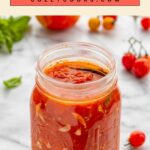
This fresh tomato sauce recipe is made with ripe garden tomatoes so it's lighter, fresher and sweeter than a classic tomato sauce that's made with canned tomatoes. It's easy to make, freezes and cans well and is one of the best things you can do to preserve the flavor of fresh tomato season!
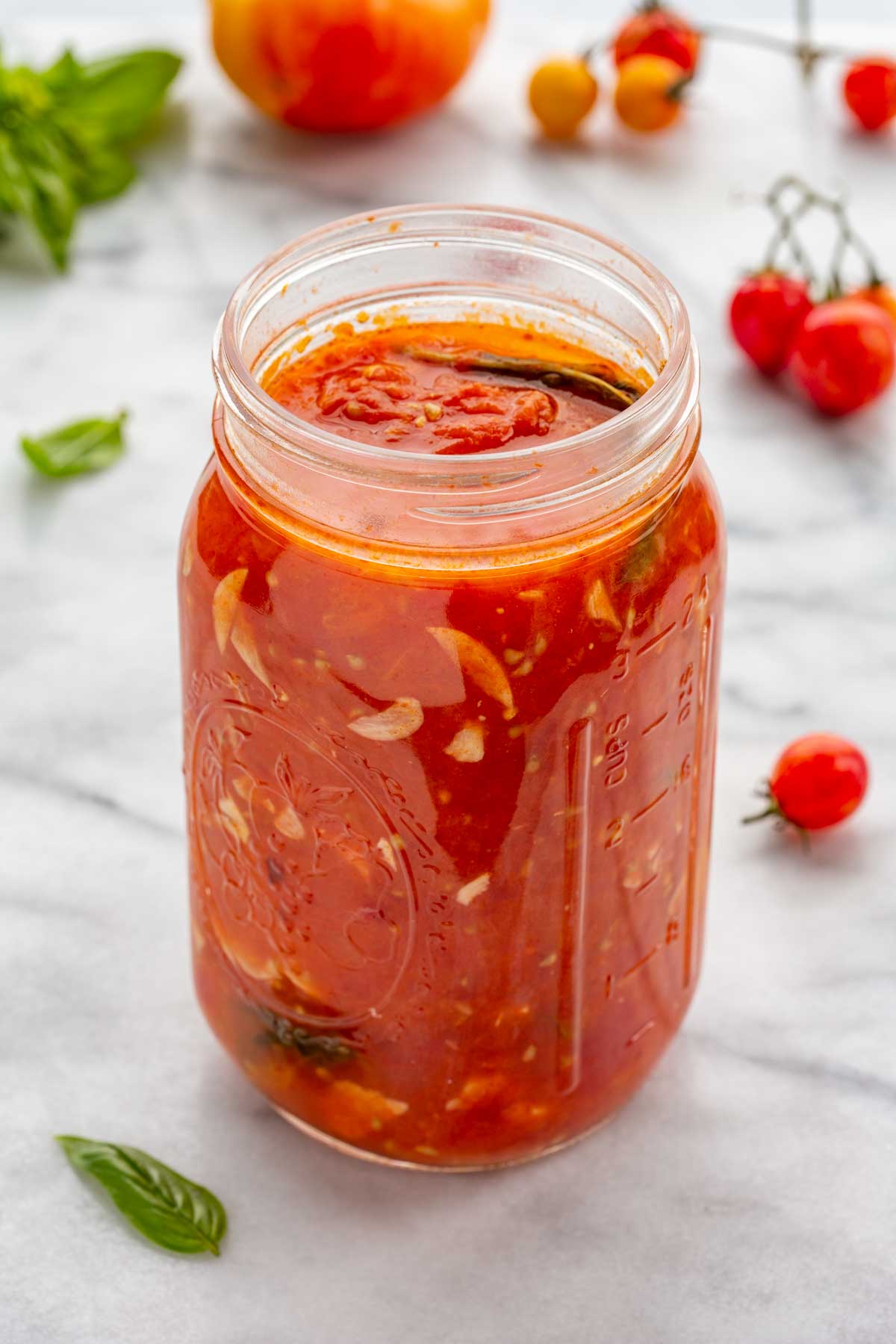
Sugo di Pomodoro Fresco
Every year I wait all summer for the tomatoes to ripen, and then they all come flooding in at once in September. By this time of year, the garden is winding down and the temperatures are starting to drop.
Once I've had my fill of BLT's and tomato confit, I make a big batch of sauce with whatever's left on the counter. Then, I freeze it in various sized containers so I can enjoy that fresh tomato flavor in the middle of winter when I'm missing summer the most.
Making this fresh garden tomato sauce has always been a family tradition. It's an Italian way of preserving the best tomatoes of the season, whether they're plum tomatoes, San Marzano, or vine-ripened juicy tomatoes from the backyard.
The result is a red sauce that's fresher and lighter but still full of robust flavor and is great anywhere you'd use pasta sauce or homemade marinara sauce.
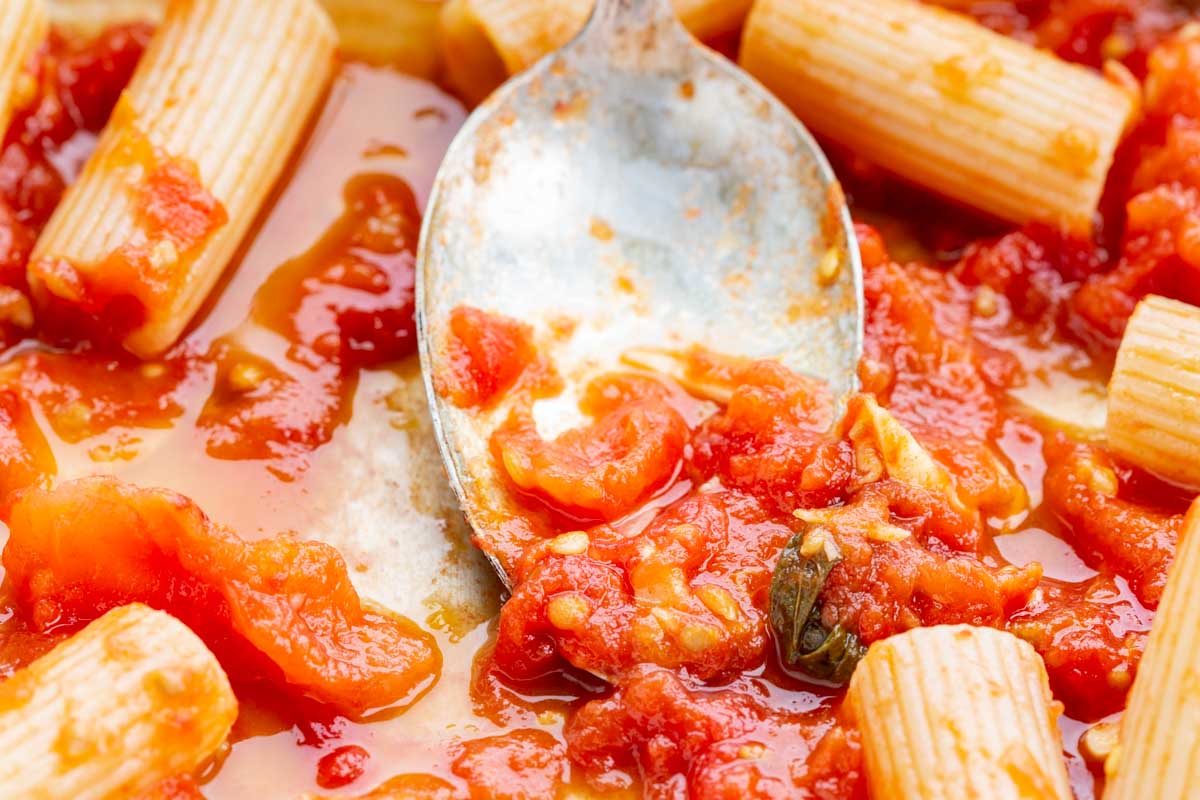
My favorite way is to toss it with hot pasta on a busy weeknight and call it dinner!
I usually freeze my own sauce since it's the best way to keep a batch of fresh tomato sauce ready to go. I like to freeze it it in different containers so that I can always defrost exactly what I need.
I use pint and quart containers, as well as ice cube trays. Then, I stash the tomato sauce ice cubes in a big zip-top bag.
Some people like to can their sauce for shelf-stable storage. I usually don't make quite enough to justify the hassle, but it can certainly be done with this recipe.
If you want to go this route, I recommend referring to the National Center of Home Food Preservation to do it correctly.
This recipe is really simple to throw together, but if you don't have time to peel the tomatoes and go through the whole process, you can simply stash whole, washed and dried tomatoes in a zip-top bag in your freezer and use them to make sauce at a later date.
Not only does this preserve their flavor and keep them from going bad before you have time to use them, but it also makes the skins slip right off when they're defrosted, so you don't have to bother blanching them first.
Want more fresh tomato recipes? Try this creamy summer tomato fennel risotto, a quick no-cook sun gold tomato pasta or these hearty roasted tomatoes with cannellini beans.
Why This Recipe Works
- A light and sweet homemade tomato sauce made with simple ingredients.
- Perfect when you need a quick meal with little time to cook.
- A great way to use a surplus of tomatoes at the end of the season.
- Can be frozen in airtight containers or canned to last longer.
- Easily adaptable with different types of tomatoes, fresh herbs and seasonings.
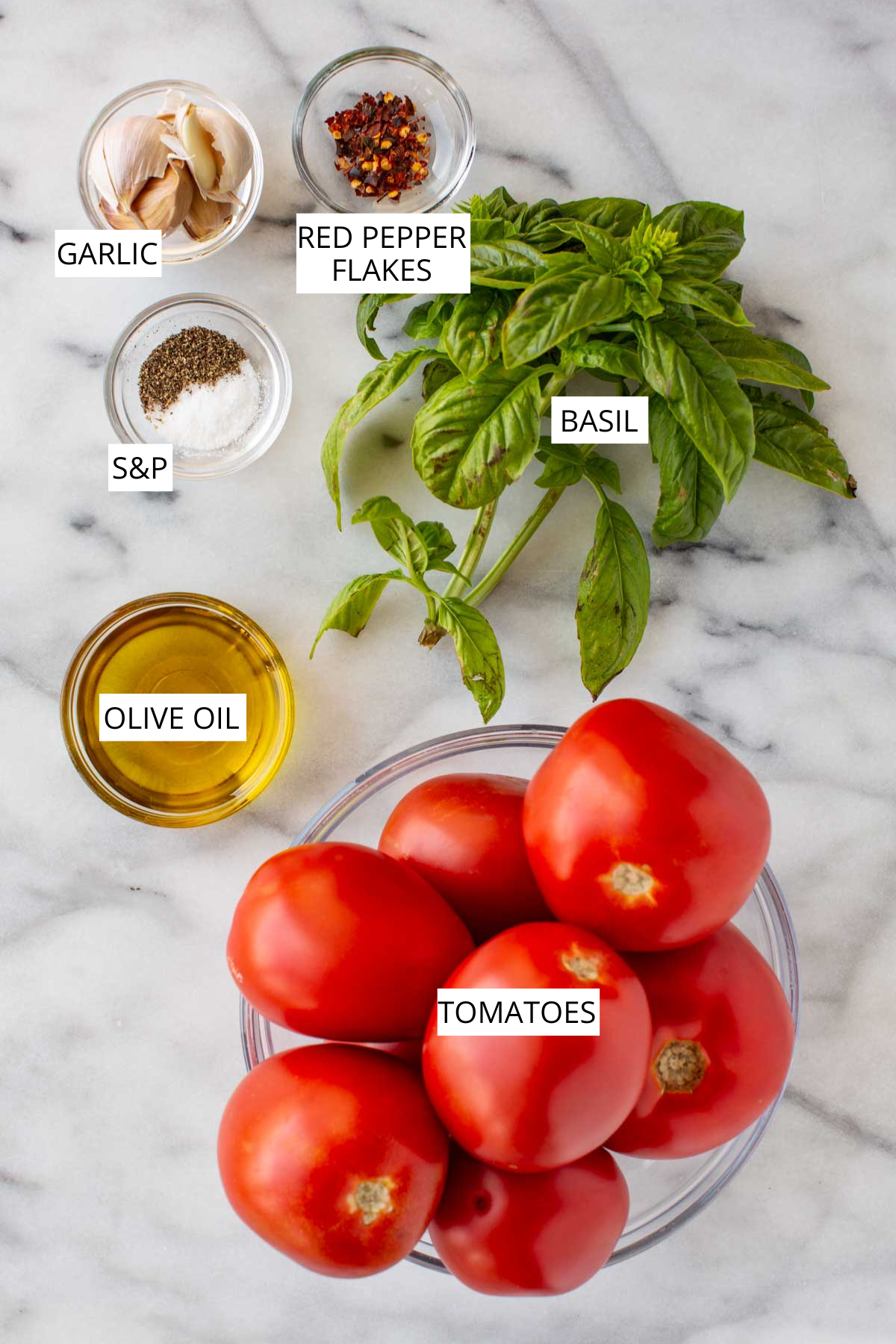
Fresh Tomato Sauce Ingredients
Tomatoes - Use fresh tomatoes at peak ripeness, like plum tomatoes, roma tomatoes, or Amish pastes, since they have more flesh and less excess water. Avoid cherry tomatoes for this recipe, as they are more seedy and dificult to peel. Fresh San Marzano tomatoes work beautifully too if you have them. Always look for tomatoes without soft spots and with bright color for maximum flavor.
Garlic cloves - Fresh garlic adds a sweet and pungent kick. Add as much or as little as you prefer. I like to slice it paper thin, but you can also finely chop it, grate it with a microplane for a stronger flavor or smash whole cloves for a milder flavor. This is a fresh sauce so I do not recommend substituting garlic powder.
Fresh basil leaves - Add them whole for a delicate flavor that perfumes the sauce as it simmers. Stir in more at the end for a burst of freshness. You can also experiment with other fresh herbs like oregano, bay leaves or parsley.
Extra-virgin olive oil - Good oil adds a smooth depth of flavor. For help choosing quality oil, see this Italian pantry guide to olive oil and vinegars.
Red pepper flakes - Use as much or as little as you like. They provide gentle heat and balance the sweet flavors of the ripe tomatoes.
Salt - I use Diamond Crystal Kosher salt, which is less salty than other brands. You may need to adjust to taste.
*Find the full ingredient list in the recipe card below!
Helpful Equipment
- Large pot of water
- Wide skillet or Dutch oven
- Slotted spoon
- Large bowl
- Potato masher
- Immersion blender
- Food mill
- Airtight containers, freezer bags or ice cube trays
How to Make Tomato Sauce (from fresh tomatoes)
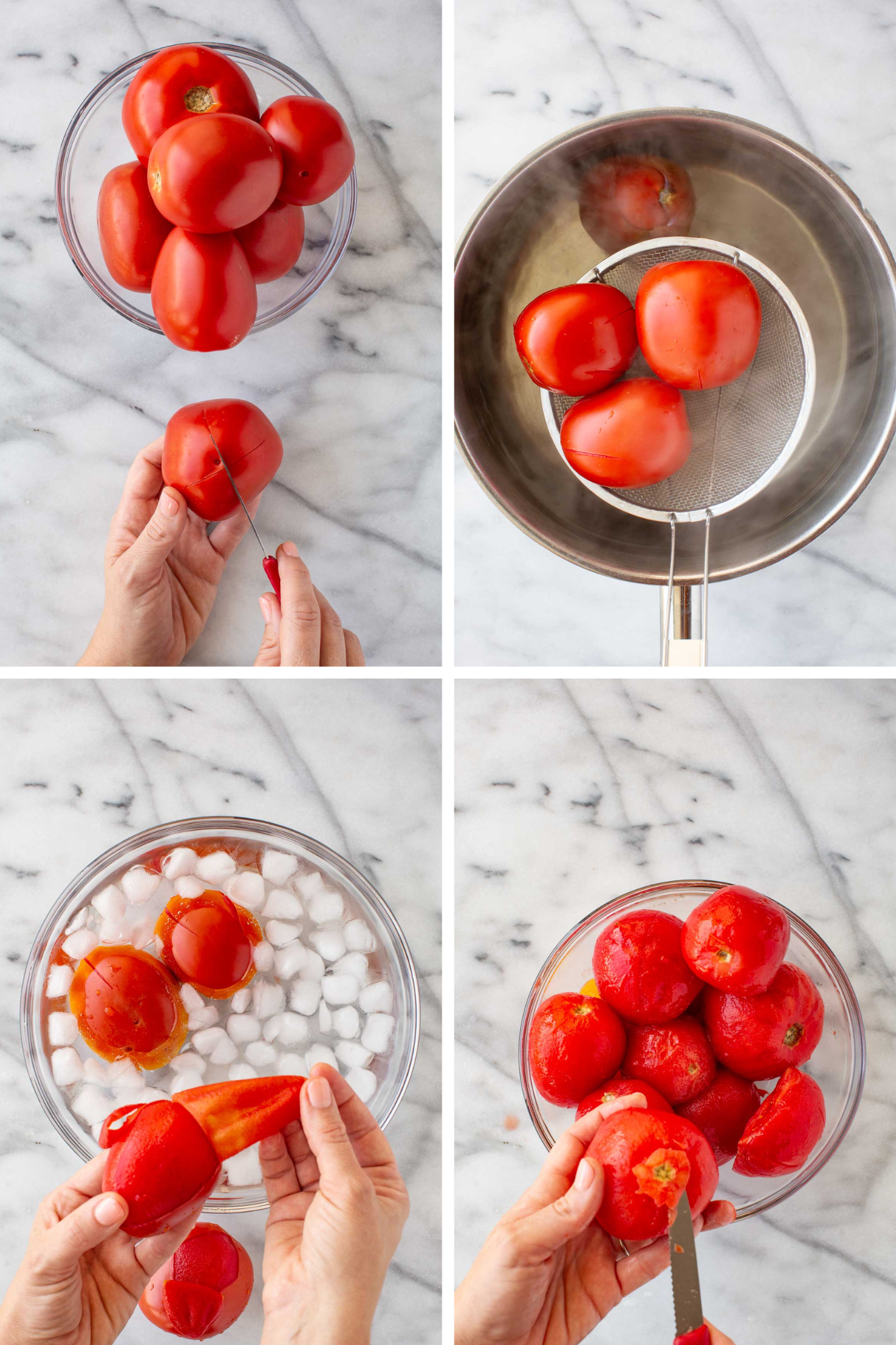
- Bring a large pot of water to a boil. Cut a shallow X in the bottom of each tomato with a sharp knife.
- Drop them into the boiling water for 30 seconds, then use a slotted spoon to transfer to a large bowl of ice bath.
- Peel the skins off easily and discard. Collect the peeled tomatoes and their juices in a bowl so none of the fresh flavor is lost.
Pro Tip: Use the leftover tomato skins to make tomato salt! Dehydrate them in a dehydrator or a super low oven until they are totally dry, then process them with salt.
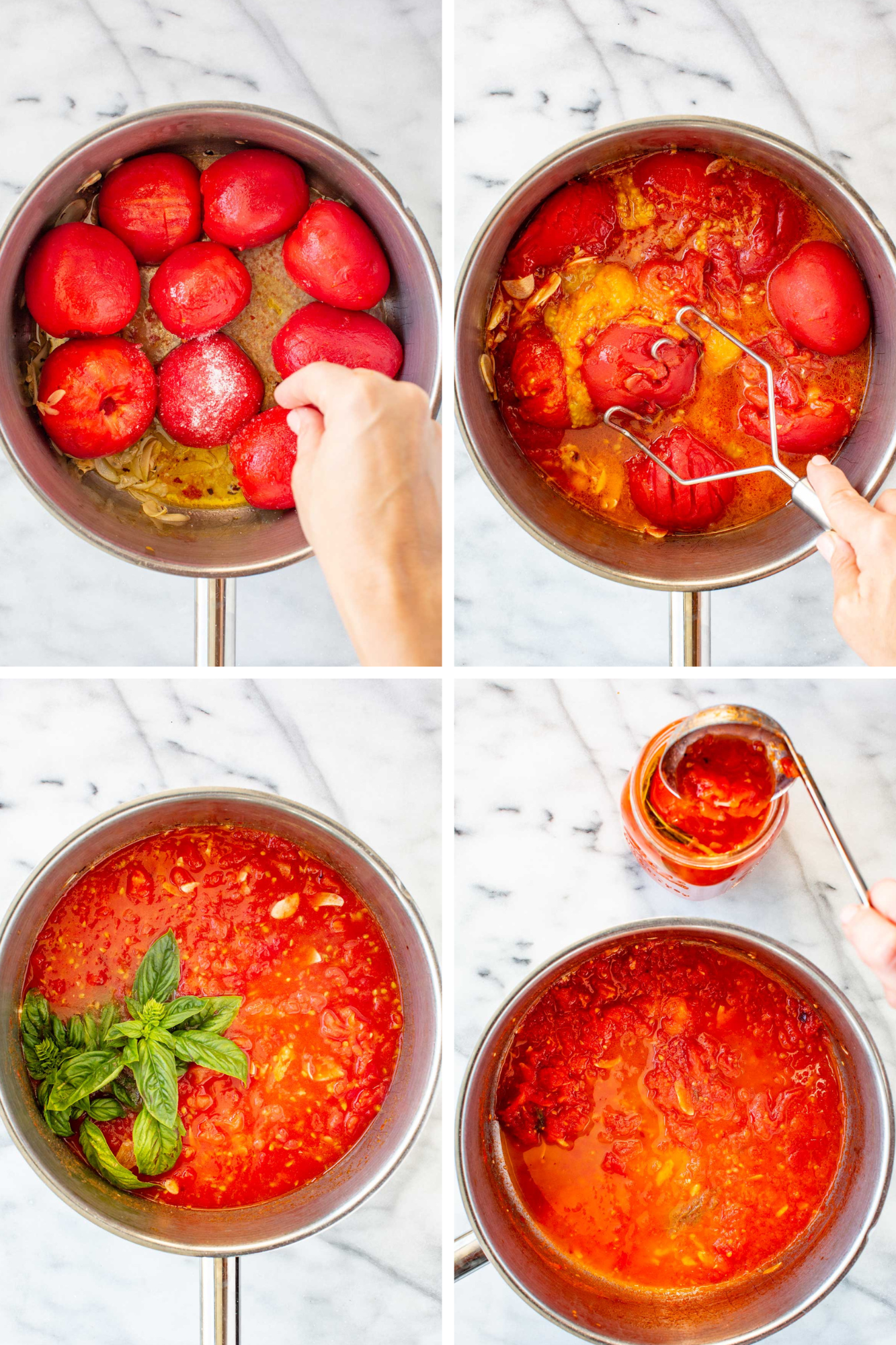
- Heat extra-virgin olive oil in a wide skillet or Dutch oven over medium heat. Add garlic cloves and red pepper flakes, cooking gently until golden, about 1 minute.
- Add the chopped tomatoes with their juices, season with salt and black pepper and stir to combine.
- Cover and simmer for 8-10 minutes, until the tomato flesh starts to soften.
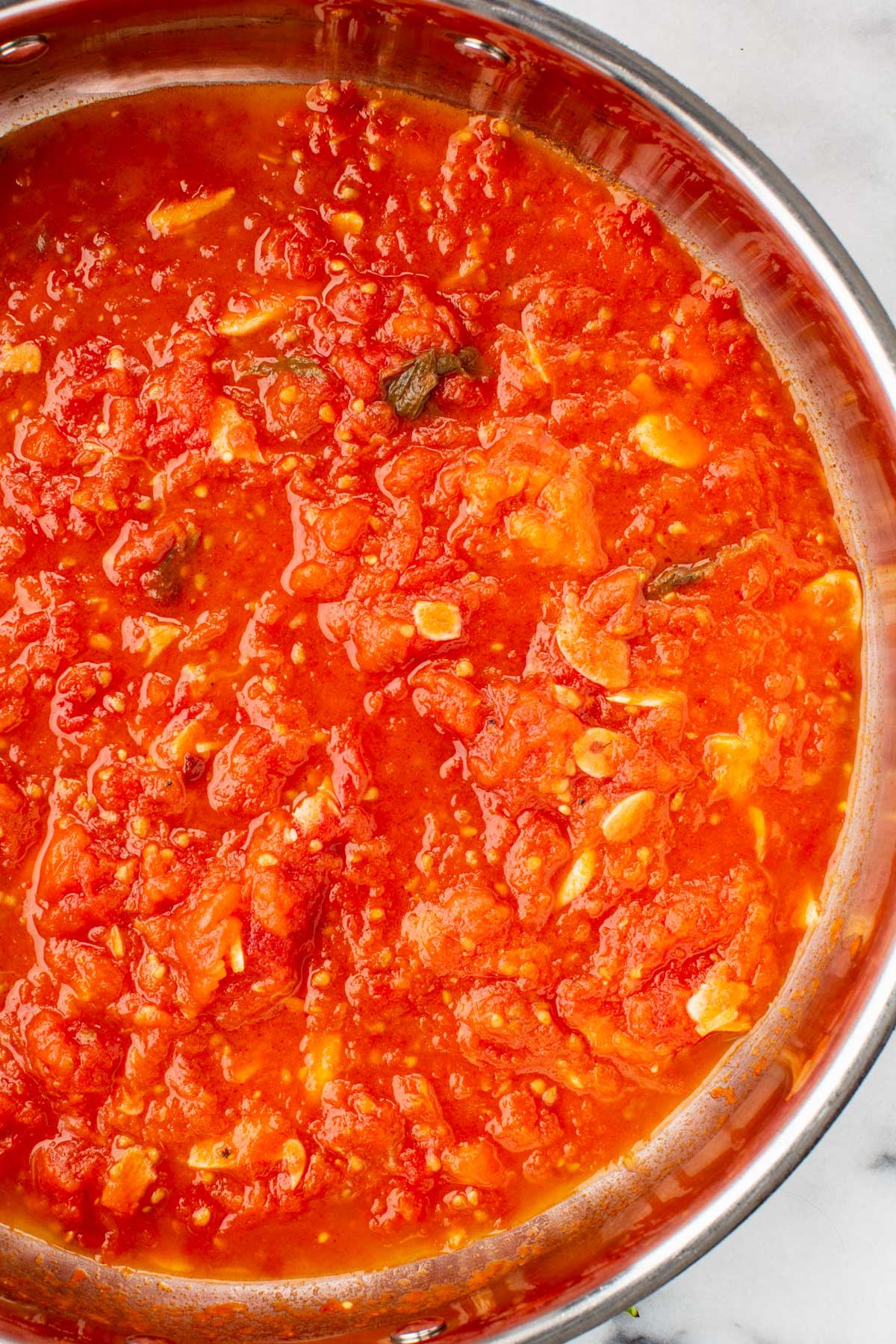
- Use a potato masher or wooden spoon to break the tomatoes into smaller pieces. For a smooth consistency, use a food processor food mill, or immersion blender to puree into tomato paste or sauce. Leave as many chucks as you'd like.
- Add a sprig of basil and simmer for 20-25 minutes, stirring occasionally, until reduced into a thicker sauce.
- If excess water remains, simmer uncovered until the sauce thickens. Taste and adjust seasoning.
- Add more basil or fresh herbs just before serving. Use as pasta sauce, homemade pizza sauce or freeze for later.
Pro Tip: Let the sauce completely cool to room temperature before storing.
Tips for Success
- Use the best tomatoes you can find. Vine-ripened tomatoes and juicy garden tomatoes give the best flavors.
- Simmer gently to avoid scorching delicate flavors. Minimal cooking is key.
- If you prefer a more robust flavor, stir in a spoonful of tomato paste for depth of flavor.
- A food mill is the best way to remove seeds if you're going for a smooth sauce.
- Add a pinch of sugar if the acidity of the tomatoes is too strong.
- Freeze in cups of sauce stored in freezer bags, ice cube trays or airtight containers to portion easily.
Variations
- Add sauteed chopped onions, carrots and celery for a classic soffritto base.
- Stir in fresh oregano, bay leaves or parsley for different herb profiles.
- Blend into tomato puree for a smooth, silky type of sauce.
- Make a large batch and reduce longer for a thick sauce to use as homemade pizza sauce.
Serving Suggestions
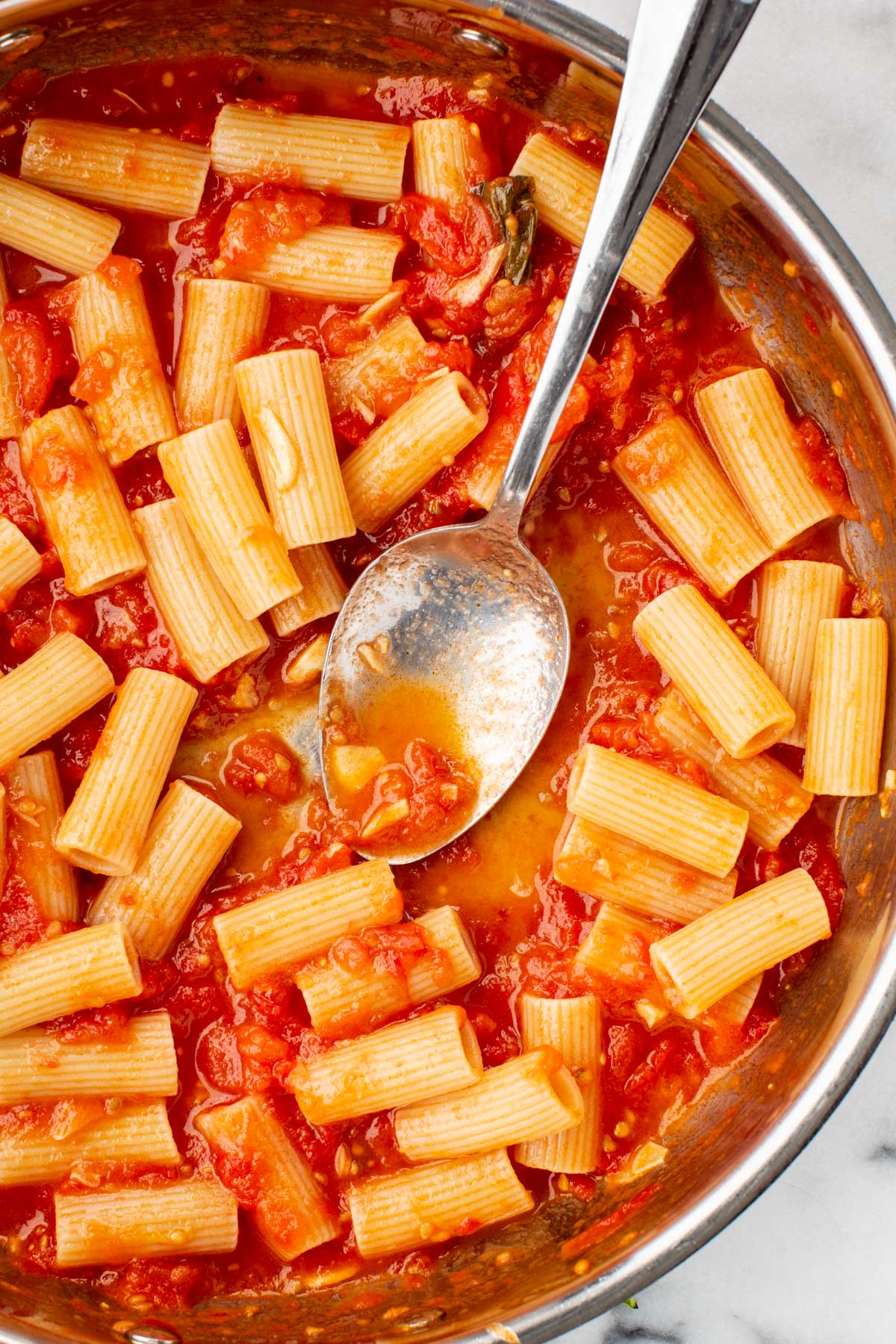
Use this fresh sauce in simple pasta pomodoro for a quick meal, or use it in this eggplant, tomato and mozzarella pasta or this iconic pasta alla Norma for a cozy vegetarian dinner.
I love using this simple sauce as a replacement for the tomato sauce in my family recipe for Sunday sugo with the best Italian meatballs whenever have fresh tomatoes. Same thing for this Italian red red crab sauce! The fresh tomato sauce really makes it even better.
It's also the best tomato sauce for layering into this comforting baked eggplant parmesan or my crispy chicken parm recipe.
And it makes a fantastic dip for fresh fried calamari!
For a fresh finish, drizzle any of these dishes with a vibrant basil oil.
How to Store Homemade Fresh Tomato Sauce
Store cooled sauce in airtight containers in the refrigerator for up to 5 days. For longer storage, freeze in freezer bags or zip-top bags for up to 6 months.
Defrost overnight in the refrigerator, then reheat gently in a saucepan over medium heat, adding a splash of water if needed.
Fresh Tomato Pasta Sauce FAQs
Yes, peeling removes tough skins that can give the sauce a chewy texture. A quick boil and ice bath is the best way to slip them off. You can also freeze the tomatoes first, which will cause the peels to slip off once defrosted. Freezing will not have an effect on the sauce.
For more robust flavor, add a spoonful of tomato paste or sauté onions and garlic cloves longer to caramelize.
Simmer uncovered to let excess water evaporate, or puree with a food processor for smooth consistency. You can also add a bit of tomato paste to thicken.



Did you LOVE this recipe? Please leave a star ⭐️ rating and comment and tag your creations @ColeyCooks on Instagram!
Want to Save This Recipe?
Enter your email & I'll send it to your inbox along with my best Thanksgiving ideas and tips.
By submitting this form, you consent to receive emails from Coley Cooks.

Fresh Tomato Pasta Sauce
Ingredients
- 3 lbs ripe tomatoes
- ¼ cup extra virgin olive oil
- 3 cloves garlic thinly sliced
- Kosher salt and freshly cracked black pepper to taste
- ¼ teaspoon red pepper flakes more or less to taste
- 1 large sprig basil plus more as needed
Instructions
- Bring a large pot of water to a boil. Cut a shallow X in the bottom of each tomato.
- Drop them into the boiling water for 30 seconds, then transfer to a bowl of ice water.
- The skins should peel off easily. Discard and set the tomatoes aside in a bowl so their juices collect.
- Warm the olive oil in a wide skillet or saucepan over medium heat. Add the garlic and red pepper flakes, then cook gently until it just begins to turn golden, about 1 minute.
- Add the tomatoes with their juices, season with salt and pepper and stir to combine.
- Cover and simmer for about 8-10 minutes, or until the tomatoes start to break down.
- Use a potato masher or wooden spoon to break the tomatoes up in the pan until they are to your desired consistency. I like mine on the chunkier side. If you prefer a smooth sauce, you can puree with an immersion blender.
- Add the basil sprig, then cover and let the sauce simmer, stirring occasionally, until thickened and the tomatoes have broken down, about 20-25 minutes.
- If you want the sauce a little bit thicker, continue to simmer until it reduces down and some of the liquid evaporates. Taste and adjust seasoning as needed.
- Add more basil leaves and stir them into the sauce just before serving if desired. Toss with hot pasta, use in your favorite recipe or store in mason jars for later.
Notes
- Use the best tomatoes you can find. Vine-ripened tomatoes and juicy garden tomatoes give the best flavors.
- Simmer gently to avoid scorching delicate flavors. Minimal cooking is key.
- If you prefer a more robust flavor, stir in a spoonful of tomato paste for depth of flavor.
- A food mill is the best way to remove seeds if you're going for a smooth sauce.
- Add a pinch of sugar if the acidity of the tomatoes is too strong.
- Freeze in cups of sauce stored in freezer bags, ice cube trays or airtight containers to portion easily.
Nutrition
This post may contain affiliate links.





With fresh tomatoes it's an easy road to a wonderful dinner.The sauce is absolutely delicious! Thank you!
So glad you enjoyed the recipe! Thanks for leaving such a nice review!
Oh my… SO delicious! I used fresh organic field tomatoes (plum tomatoes). Substituted fennel for chili flakes.
SO glad you enjoyed the recipe! Thanks so much for leaving a review and for sharing your substitution. 😀
hello and thanks for sharing your recipes. how do i save to favorites without going
to search then clicking the heart icon?
thanks,
ant
Hey Ant, I'm not totally sure what you mean?
I love to cook so I really love trying new things. This recipe is the BEST! Easy to prepare and delicious. I only wish I would’ve doubled the recipe to have more. I just guess I’ll just have to make it again.
Thank You!
Thank you for leaving such a lovely review! I'm so glad you loved the sauce and will be making it again. It freezes well too, so it never hurts to double or triple it next time!