
Best Chicken Francaise
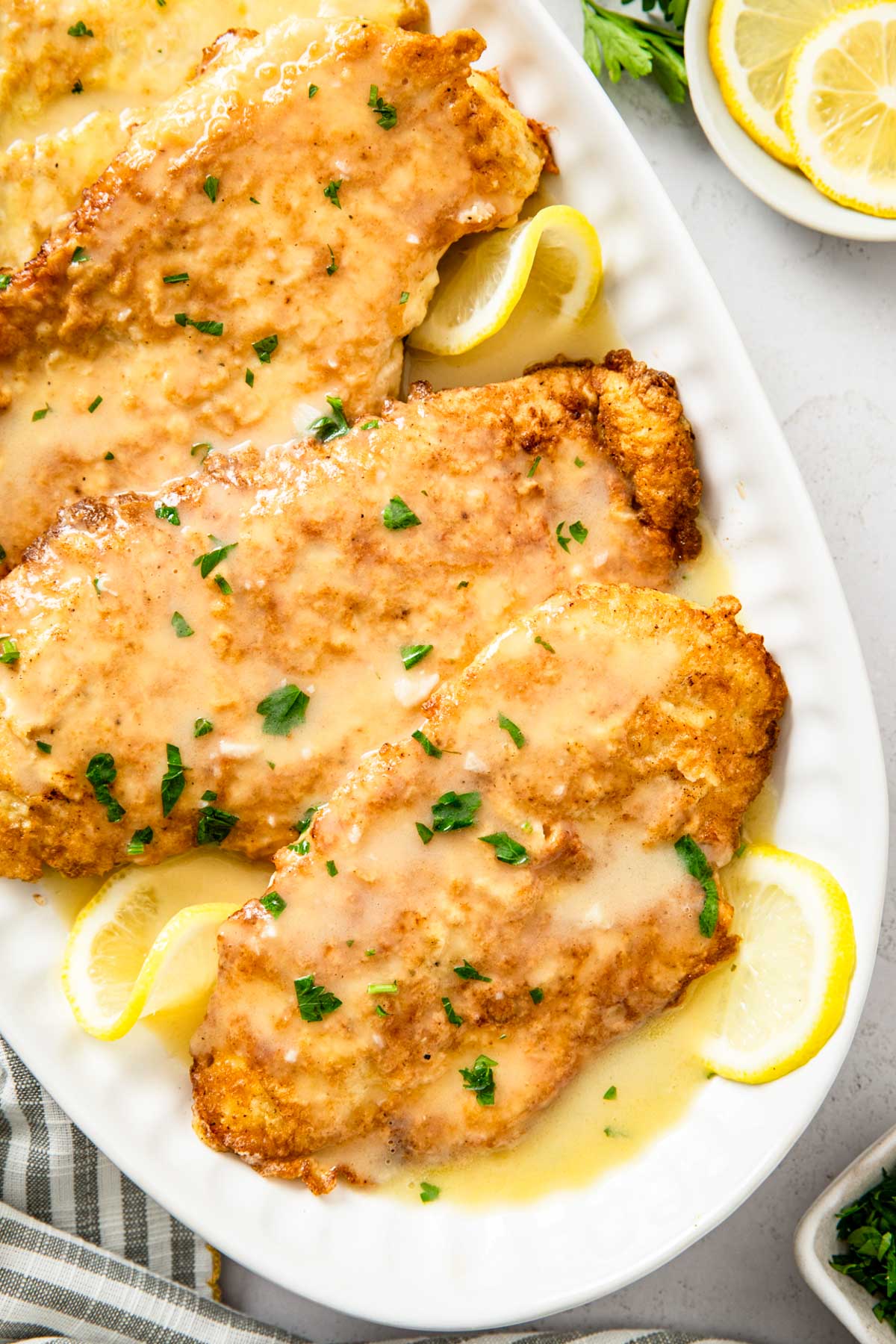
This tried and true chicken francaise recipe is an all-time family favorite that's simple to master and always a crowd pleaser. Thin slices of chicken are coated in a delicate egg batter, then pan fried until golden and finished in a luscious lemon butter sauce for a home-cooked dinner that's better than any restaurant. I'm spilling all of our family secrets along with my expert chef tips to teach you how to make the best chicken francaise you'll ever have!
This post may contain affiliate links.
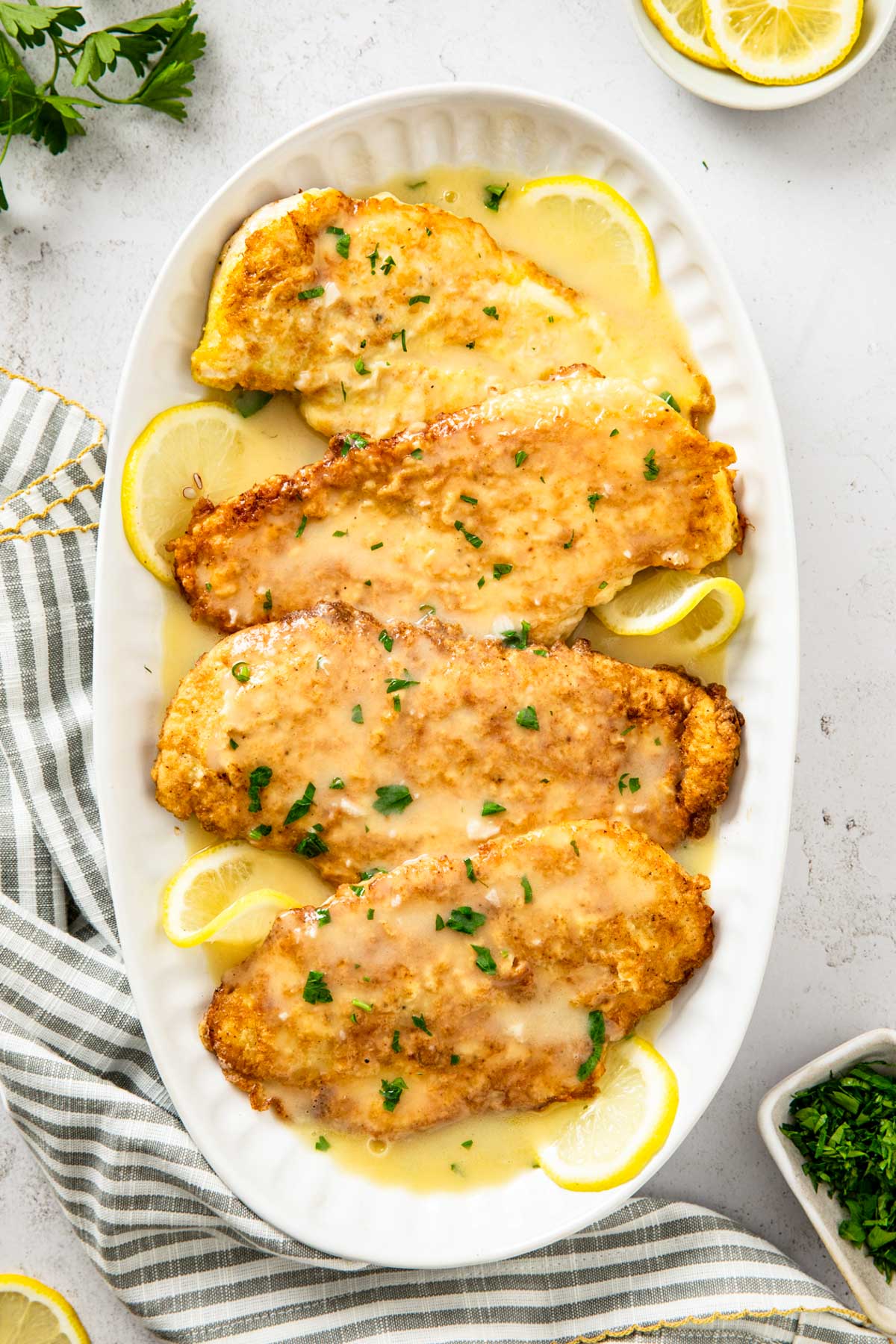
Anything francaise is my husband's favorite meal. Growing up, his mom would make it for him every year on his birthday, by request. And while veal is usually his protein of choice, we make it most often with chicken, or flounder francaise when in season.
Karen, my MIL, makes the best francaise, and while she never uses a recipe, somehow it always comes out perfect.
The last time she made it for the family, I wrote down every single step, and lucky for you, I'm sharing all her secrets, with permission, of course!
While Karen's version is excellent, the chef in me can't help but make a few minor tweaks to make it even better.
What is Chicken Francaise?
Française, which translates to "in the French style," is a cooking technique where a protein, like veal, chicken, or fish, is dredged first in flour, then in beaten eggs, and sautéed in a pan until golden and crisp before being finished with a silky lemon butter sauce.
The method is French in name, but it's actually a classic Italian-American dish from the Northeast! You'll find it on Italian menus everywhere here in New Jersey where I live.

Despite it sounding and even looking like a very fancy, involved dish, it's actually very straightforward to make. There's only about 10 easy-to-find ingredients, and a handful of basic techniques.
The key is to not wipe out the pan after sautéing the chicken since you want all of the fat and browned bits to flavor the lemon butter sauce. It's important to keep the heat relatively low as you saute the garlic and flour so that it doesn't brown, which will discolor the sauce and make it bitter.
Other than that, adding a little bit of sharp pecorino Romano cheese to the egg mixture is Karen's trick to provide lots of flavor, saltiness, and texture to the coating.
My only real change to Karen's recipe is that I always add cold diced butter at the end of cooking since it helps to emulsify the sauce to make it nice and glossy. Using cold butter over very low heat keeps the sauce from breaking.
Our version is super lemony and makes a generous amount since we like it extra saucy. That way there's plenty left on the plate to mix into mashed potatoes or mop up with a crusty hunk of bread.
Want more Italian chicken recipes? Try a crispy chicken milanese with arugula tomato salad, the best chicken parmesan recipe, or a classic Roman chicken cacciatore.
Why You Will Love this Chicken Francaise Recipe
- An old family recipe that comes out delicious every single time.
- Made with easy-to-find ingredients and ready in under 45 minutes.
- An elevated, restaurant-style dish that's very simple to make.
- The lemon butter sauce comes together in the same pan for maximum flavor and minimal cleanup.
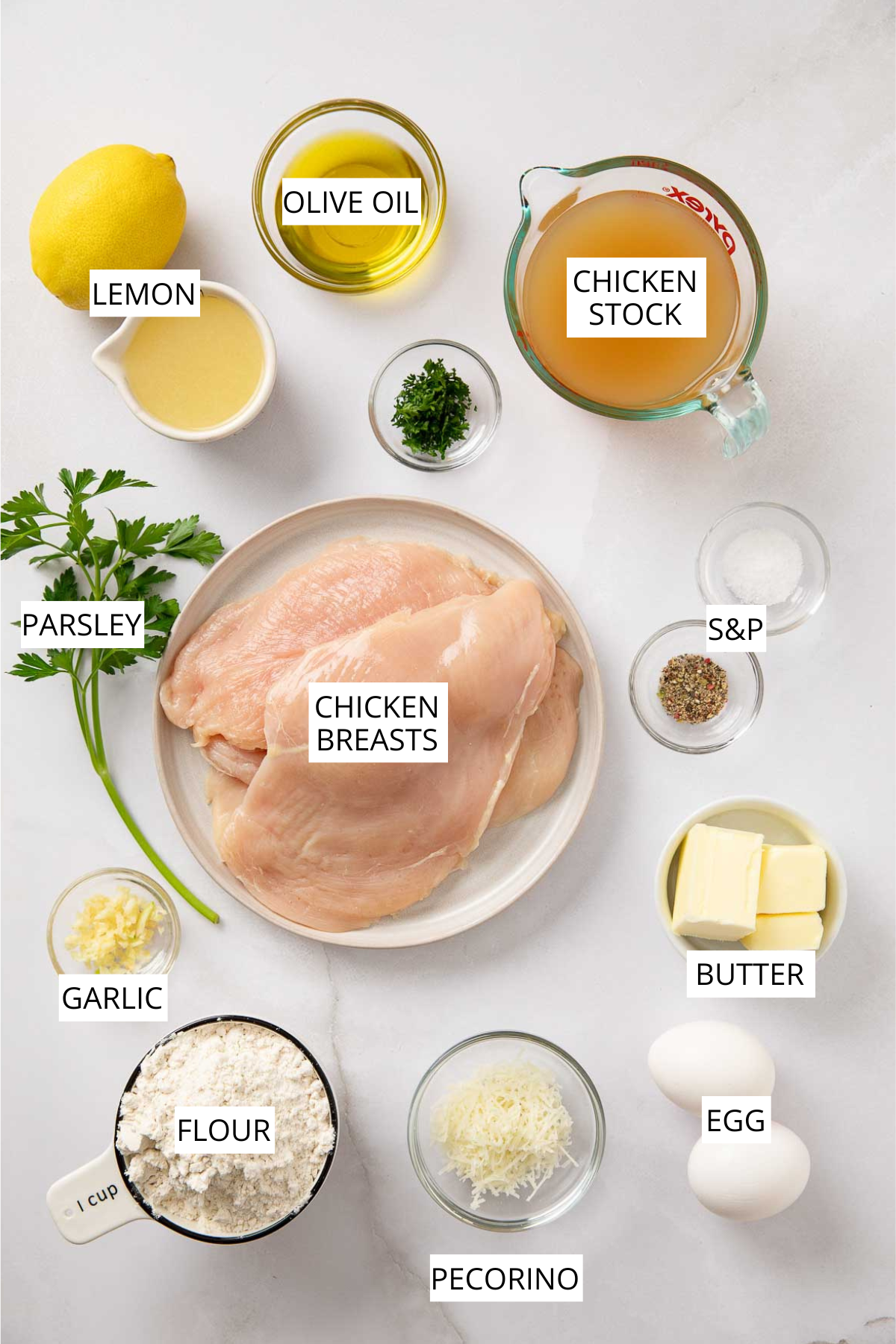
Chicken Francese Recipe Ingredients
Chicken breasts - Use fresh, good quality boneless skinless chicken breasts that have been butterflied or sliced, then pounded out to be ultra thin.
Pecorino Romano - Grated pecorino Romano cheese is our special touch to make the coating flavorful, salty and textured. Use the Locatelli brand if possible. You can substitute for Parmigiano Reggiano, but it will have a milder flavor. Learn how to shop for high quality Italian cheeses.
Butter - Cold unsalted diced butter is best to manage the salt level and help emulsify the sauce without the risk of it splitting.
Chicken stock - Chicken stock makes the bulk of the sauce, so be sure it's a good quality. If you don't have chicken stock, you can substitute vegetable stock or even turkey stock.
Lemon juice - Freshly squeezed lemon is key, don't use bottled! Always serve francaise with extra lemon wedges on the side for those who like it extra lemony.
*Find the full ingredient list in the recipe card below!
Helpful Equipment
- Meat mallet
- Paper towels
- Whisk
- Large skillet
- Baking sheet or casserole dish
- Oven
How to Make Chicken Francaise
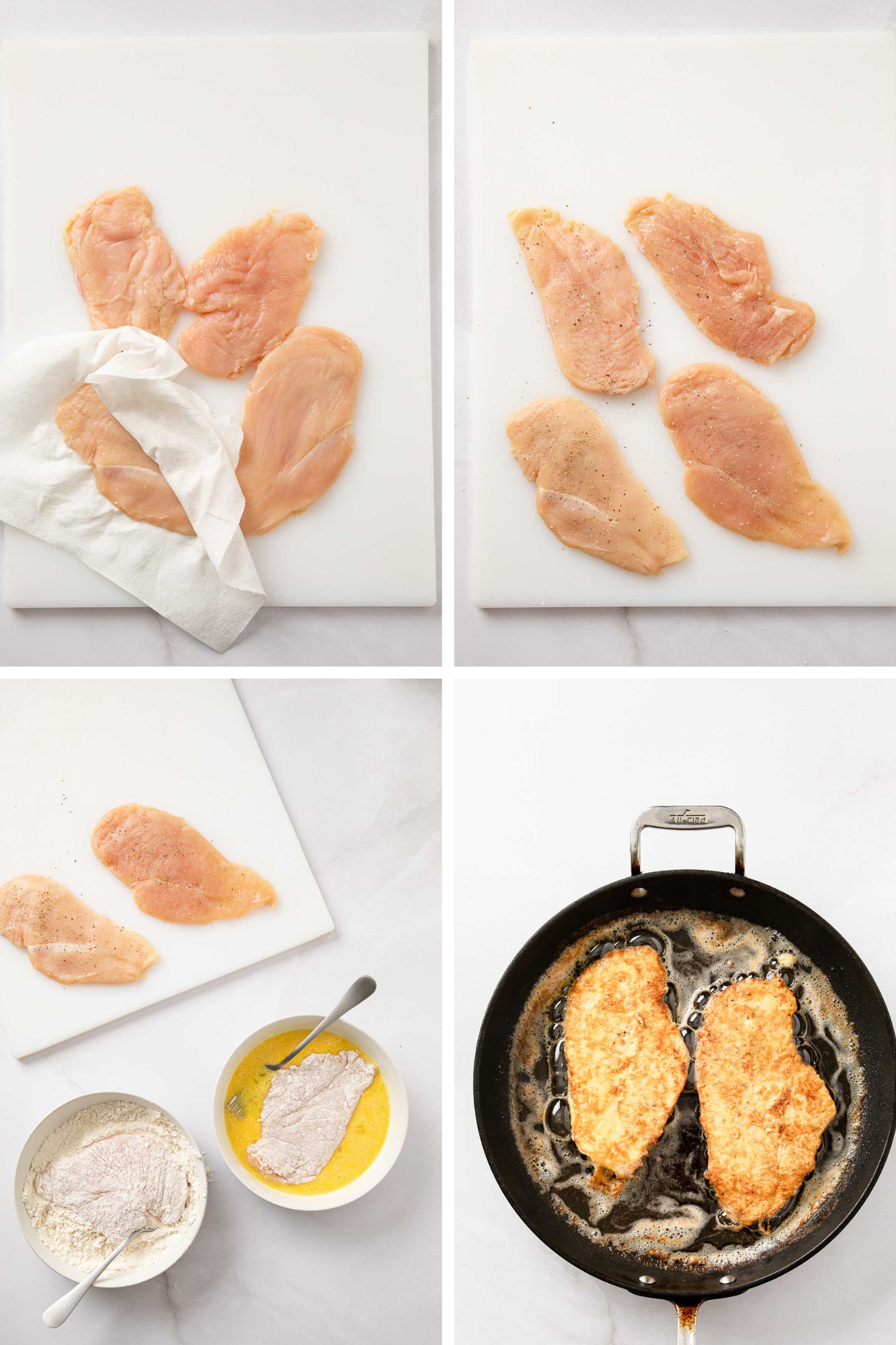
- Pat the chicken cutlets dry with paper towels. Season both sides with salt and pepper.
- Place ½ cup of flour in a shallow dish for dredging. In another shallow dish, beat the eggs with the pecorino Romano.
Pro Tip: Set up your dredging station right next to the stove so you can easily transfer the chicken directly from the egg wash to the pan without making a mess.
- Heat the olive oil and 3 tablespoons butter in a large skillet over medium heat.
- Dredge each chicken cutlet in flour, shaking off excess, then dip into the egg mixture to coat and immediately transfer it to the pan.
- Working in batches, sauté the chicken until golden brown and cooked through, about 3 minutes per side depending on thickness.
- Transfer the cooked cutlets to a baking sheet or casserole dish and hold in a 200°F oven while you make the sauce.
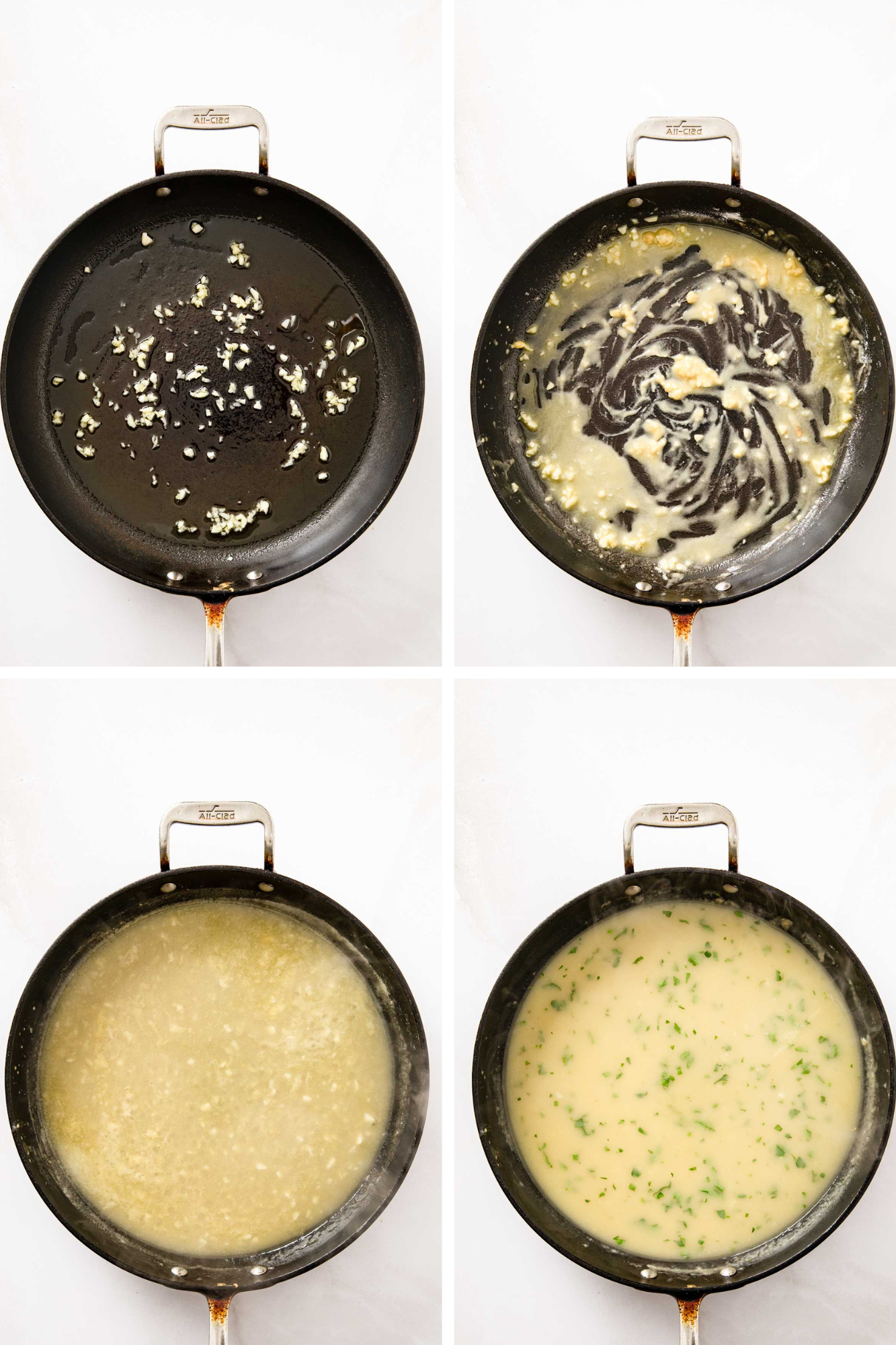
- Lower the heat in the same skillet, add the minced garlic and sauté until fragrant, about 30 seconds. Do not let the garlic brown.
- Whisk in 2 tablespoons flour and cook for about 1-2 minutes to make a light roux. Do not let the flour brown.
- Slowly pour in the stock while whisking, then turn the heat up to medium and let simmer until slightly thickened, about 5 minutes. It should coat the back of a spoon.
- Stir in the lemon juice, then season with salt and pepper to taste.
- Turn off the heat, then whisk in the remaining 3 tablespoons of cold butter until the sauce is glossy and emulsified. Stir in the parsley.
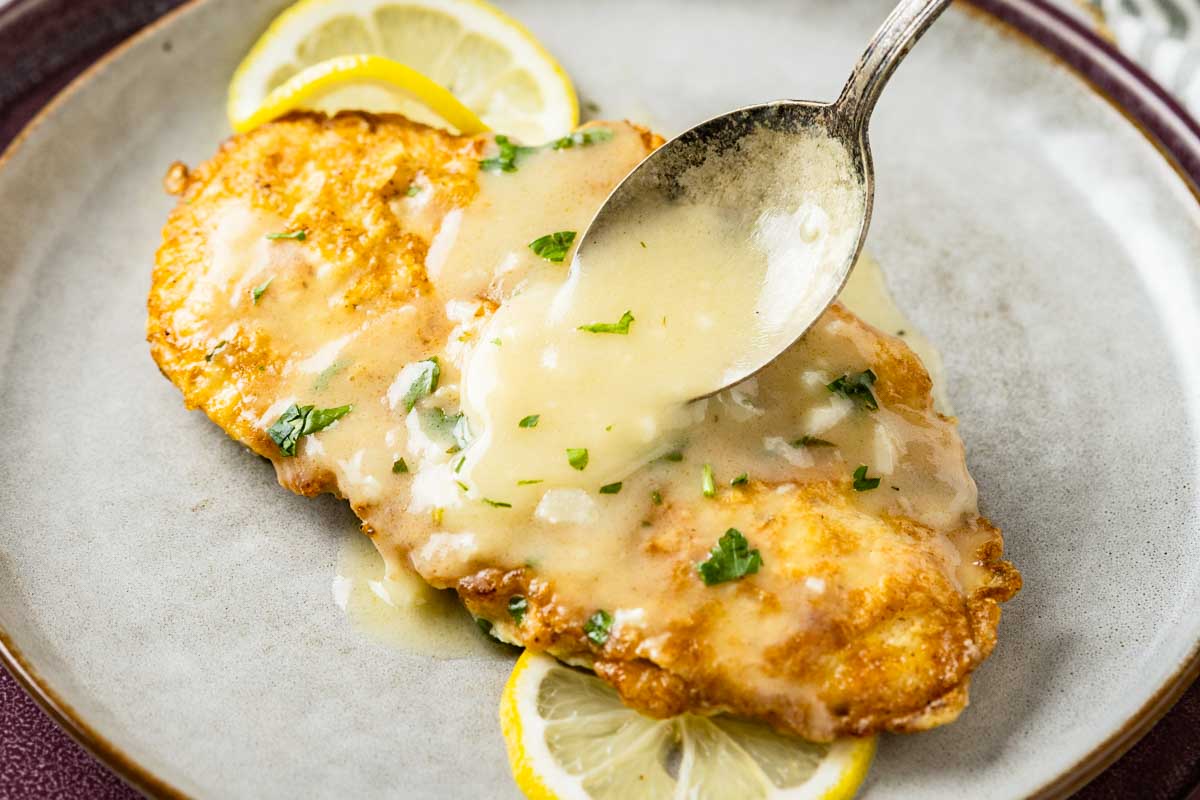
- Transfer the chicken to a serving platter. Pour the sauce over top, sprinkle with more fresh parsley, and serve immediately with lemon wedges on the side.
Coley's Tips For Success
- Pound the chicken breasts to an even thickness so they cook uniformly.
- Keep the oven no higher than 200°F when holding cooked chicken, otherwise it can dry out.
- When making the sauce, keep your heat on the lower end once you add the garlic and flour so it doesn't take on any color, otherwise the sauce will turn brown rather than golden and have a slightly burnt taste. Cook just until the raw flour taste is gone, about 1-2 minutes over low heat.
- It's important to whisk in the butter off the heat so the sauce emulsifies. Using cold butter cut into cubes will also help prevent it from breaking. If the butter stops melting, turn the heat to low for just a moment to help it along.
Chicken Francese Variations
- Zest the lemons before juicing and add it to the sauce for extra citrus flavor.
- For a nod to chicken piccata, add a few capers when sautéing the garlic.
- Use Meyer lemon instead of regular lemons for a sweeter, more fragrant citrus that's a bit less acidic.
- Follow the same francaise method with other proteins like fish, veal, shrimp, or pork tenderloin.
- Caramelize some lemon slices in butter to serve as a garnish instead of fresh lemon wedges.
What to Serve with Chicken Francaise
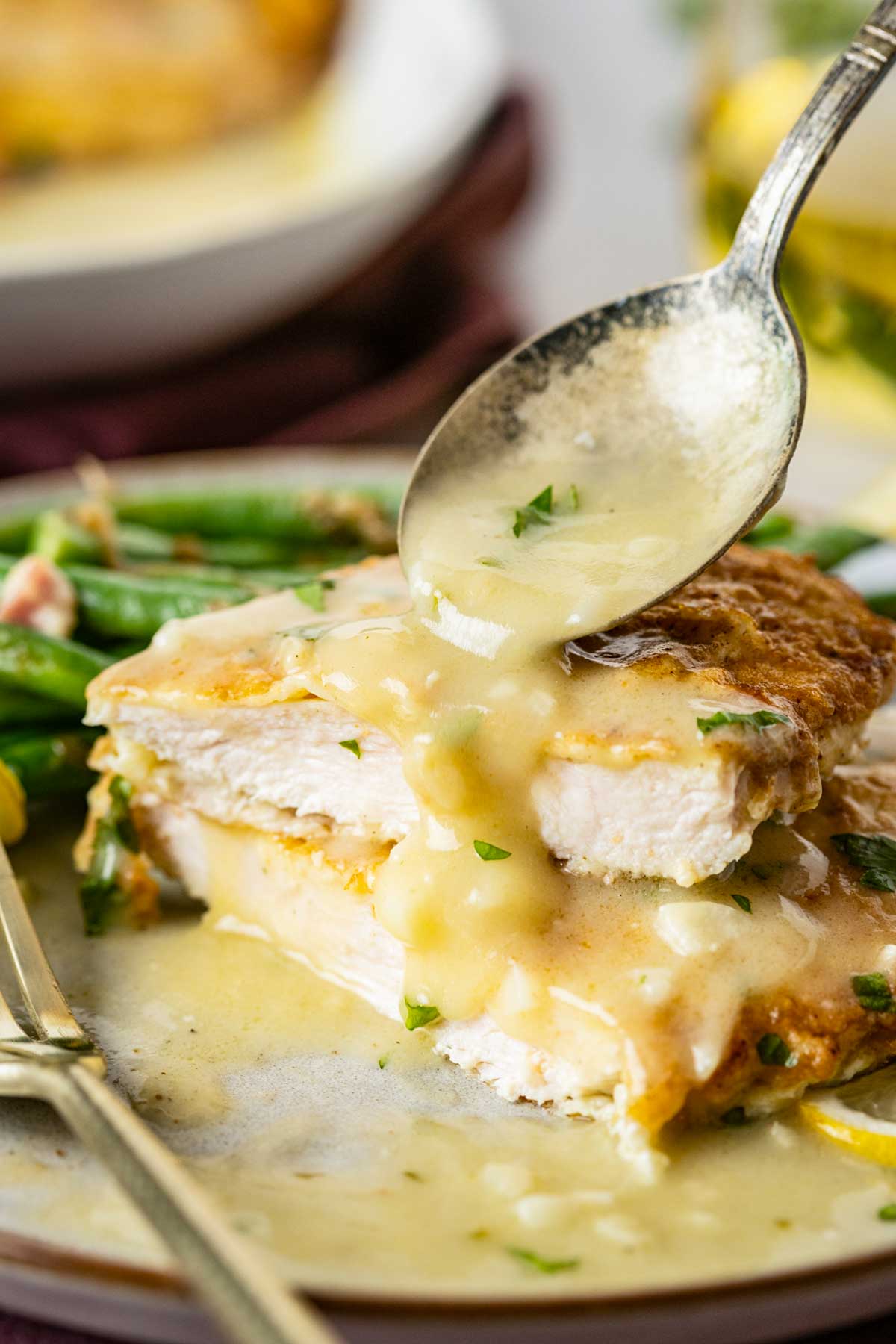
This lemony chicken francaise only needs a couple of simple sides to make a special meal.
Serve it with a classic tableside Caesar salad, an easy side of spinach with butter and parmesan or some crispy roasted potatoes with onions.
I also love serving it with mascarpone mashed potatoes, this creamy parsnip and celery root puree or a rich parmesan polenta.
Storing Chicken Francese
This dish is best eaten fresh, but leftovers can be stored in an airtight container in the fridge for up to 3 days.
To reheat, place the chicken slices in a low oven (300°F) until warmed through, about 10-12 minutes.
Reheat the sauce separately over moderate heat, whisking in a tablespoon of cold butter or a splash of chicken broth if it looks too thick.
FAQs
Make sure the chicken cutlets are first properly dried with paper towels. Then coat them with flour before dredging with the egg mixture.
You might have whisked in the butter over high heat. Use super cold diced butter and incorporate off the heat to prevent it from breaking. Don't let the sauce boil after adding the butter to keep it emulsified.
Yes, veal is super traditional and can be used seamlessly in this same recipe. You can also go for fish, pork or even large shrimp or lobster tails.
No, chicken francaise and other recipes à la française are actually of Italian-American tradition and originated in the Northeastern United States. Some say it came about during the 20th century in the Rochester area while others trace it back to the first generation of Italian immigrants on the East Coast.




Did you LOVE this recipe? Please leave a star ⭐️ rating and comment and tag your creations @ColeyCooks on Instagram!

Best Chicken Francaise Recipe
Ingredients
- 1 lb chicken breasts boneless skinless, thinly sliced or pounded into ½-inch cutlets
- kosher salt and freshly cracked black pepper
- ½ cup all purpose flour plus 2 tablespoons, divided
- 2 large eggs 3 if the chicken pieces are very thin
- 2 tablespoons pecorino romano cheese grated
- 3 tablespoons olive oil
- 6 tablespoons butter unsalted, divided, cold, cut into cubes *see note
- 1-2 cloves garlic finely minced
- 1 ½ cups chicken stock
- ¼ cup fresh lemon juice more or less to taste
- 2 teaspoons Italian flat leaf parsley finely minced, plus more for garnish
- lemons wedges for serving, optional
Instructions
- Pat the chicken cutlets dry with paper towels. Season both sides with salt and pepper.
- Place ½ cup of flour in a shallow dish for dredging. In another shallow dish, beat the eggs with the pecorino Romano.
- Heat the olive oil and 3 tablespoons butter in a large skillet over medium heat.
- Dredge each chicken cutlet in flour, shaking off excess, then dip into the egg mixture to coat and immediately transfer it to the pan.
- Working in batches, sauté the chicken until golden brown and cooked through, about 3 minutes per side depending on thickness.
- Transfer the cooked cutlets to a baking sheet or casserole dish and hold in a 200°F oven while you make the sauce.
- Lower the heat in the same skillet, add the minced garlic and sauté until fragrant, about 30 seconds. Do not let the garlic brown.
- Whisk in 2 tablespoons flour and cook for about 1-2 minutes to make a light roux. Do not let the flour brown.
- Slowly pour in the stock while whisking, then turn the heat up to medium and let simmer until slightly thickened, about 5 minutes. It should coat the back of a spoon.
- Stir in the lemon juice, then season with salt and pepper to taste.
- Turn off the heat, then whisk in the remaining 3 tablespoons of cold butter until the sauce is glossy and emulsified. Stir in the parsley.
- Transfer the chicken to a serving platter. Pour the sauce over top, sprinkle with more fresh parsley, and serve immediately with lemon wedges on the side.
Notes
- Pound the chicken breasts to an even thickness so they cook uniformly.
- Set up your dredging station right next to the stove so you can easily transfer the chicken directly from the egg wash to the pan without making a mess.
- Keep the oven no higher than 200°F when holding cooked chicken, otherwise it can dry out.
- When making the sauce, keep your heat on the lower end once you add the garlic and flour so it doesn't take on any color, otherwise the sauce will turn brown rather than golden and have a slightly burnt taste. Cook just until the raw flour taste is gone, about 1-2 minutes over low heat.
- It's important to whisk in the butter off the heat so the sauce emulsifies. Using cold butter cut into cubes will also help prevent it from breaking. If the butter stops melting, turn the heat to low for just a moment to help it along.
