Balsamic Reduction
This is the easiest, most straightforward method to make a delicious and syrupy homemade balsamic reduction. With no added sugars or thickeners, it is a delicious and affordable substitute for high-end, traditional aged balsamic vinegar. It lasts for months in the fridge and can be used on everything from roasted veggies and meats to even fresh fruit and desserts!
This post may contain affiliate links.
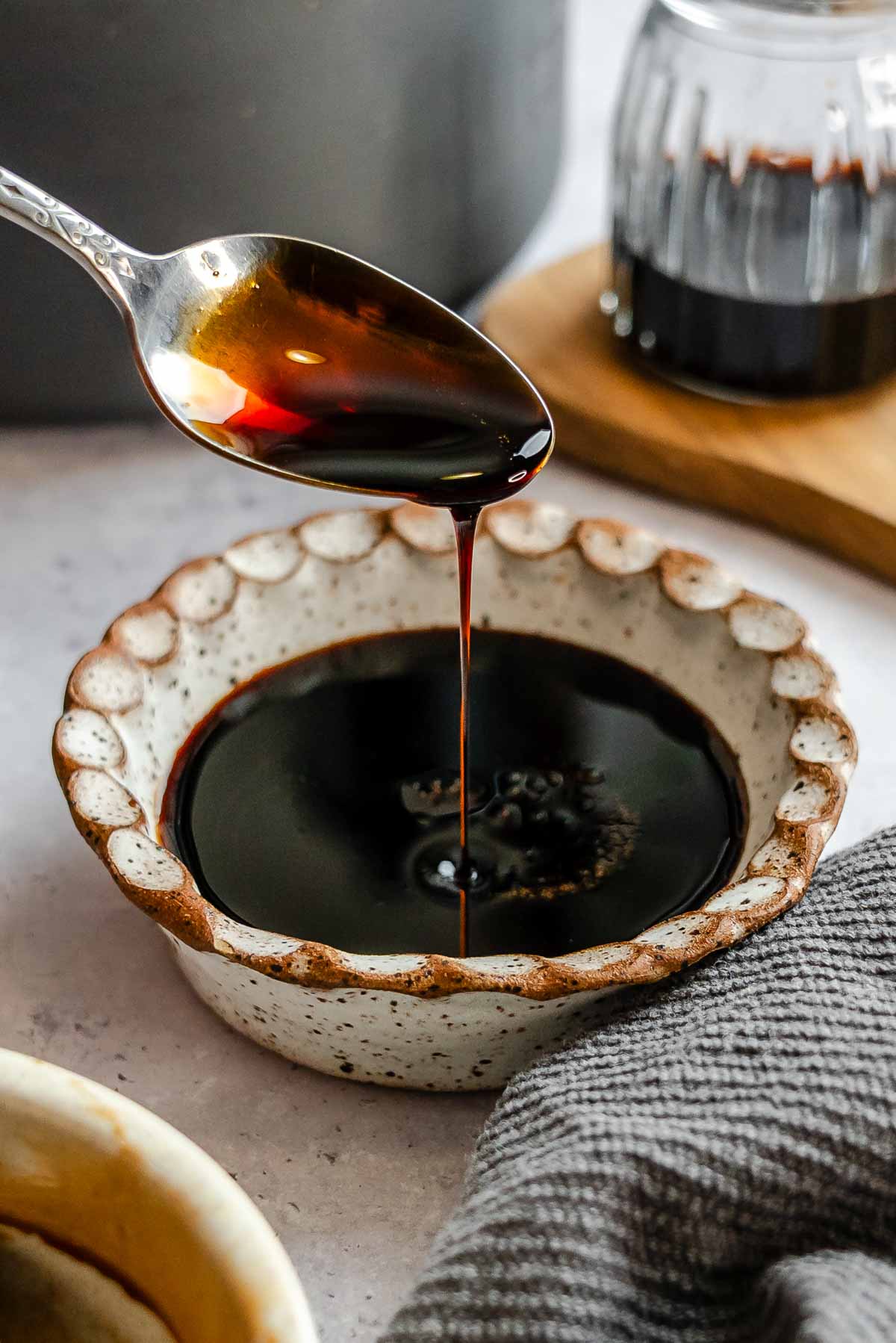
I love using a high-quality aged balsamic vinegar like Aceto Balsamico Tradizionale to finish dishes, but it's a more niche product, and most people don't keep it on hand.
Aged balsamic is thick, syrupy and complex with an incredible depth of flavor, but it's also quite expensive and can be difficult to find at grocery stores.
While this recipe doesn't exactly result in the same thing, it makes an amazing substitute. It's also thick, syrupy, and complex, and is absolutely delicious drizzled on grilled vegetables, salads, soups, meats, seafood, and even ice cream!
What Is Balsamic Reduction?
Balsamic reduction is made by reducing or simmering down balsamic vinegar into a syrupy consistency.
Many recipes for balsamic reduction include sugar or honey to help it thicken, but I find it's not necessary and can cause problems. Because sugar caramelizes quickly, boiling it too long can cause it to develop off-flavors and harden like candy.
Balsamic vinegar is loaded with natural sugars, so it doesn't need any more to make a really nice reduction. It will just take a little bit more time and patience, but the end result is much better.
Balsamic Reduction vs Balsamic Glaze
Balsamic glaze is another popular product that's often used as an alternative to aged balsamic, but I find it to be cloyingly sweet and lacking depth. Glazes usually include added sugars and sometimes even thickeners, while balsamic reduction is a cleaner tasting product because it's just balsamic vinegar with nothing else added.
How to Tell When Balsamic Reduction Is Done
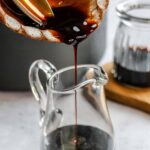
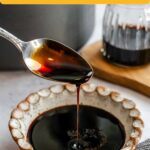
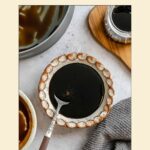
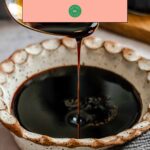
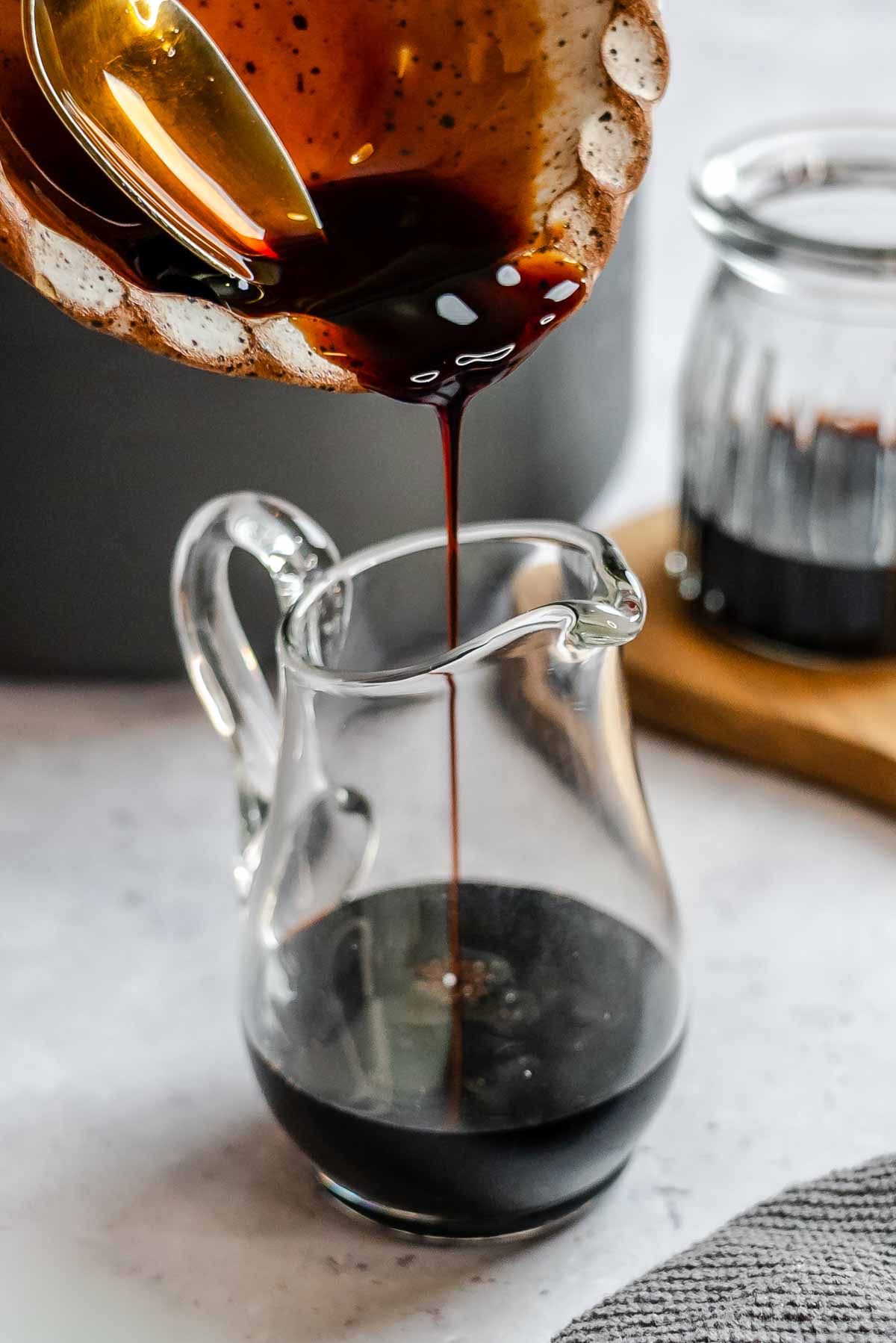
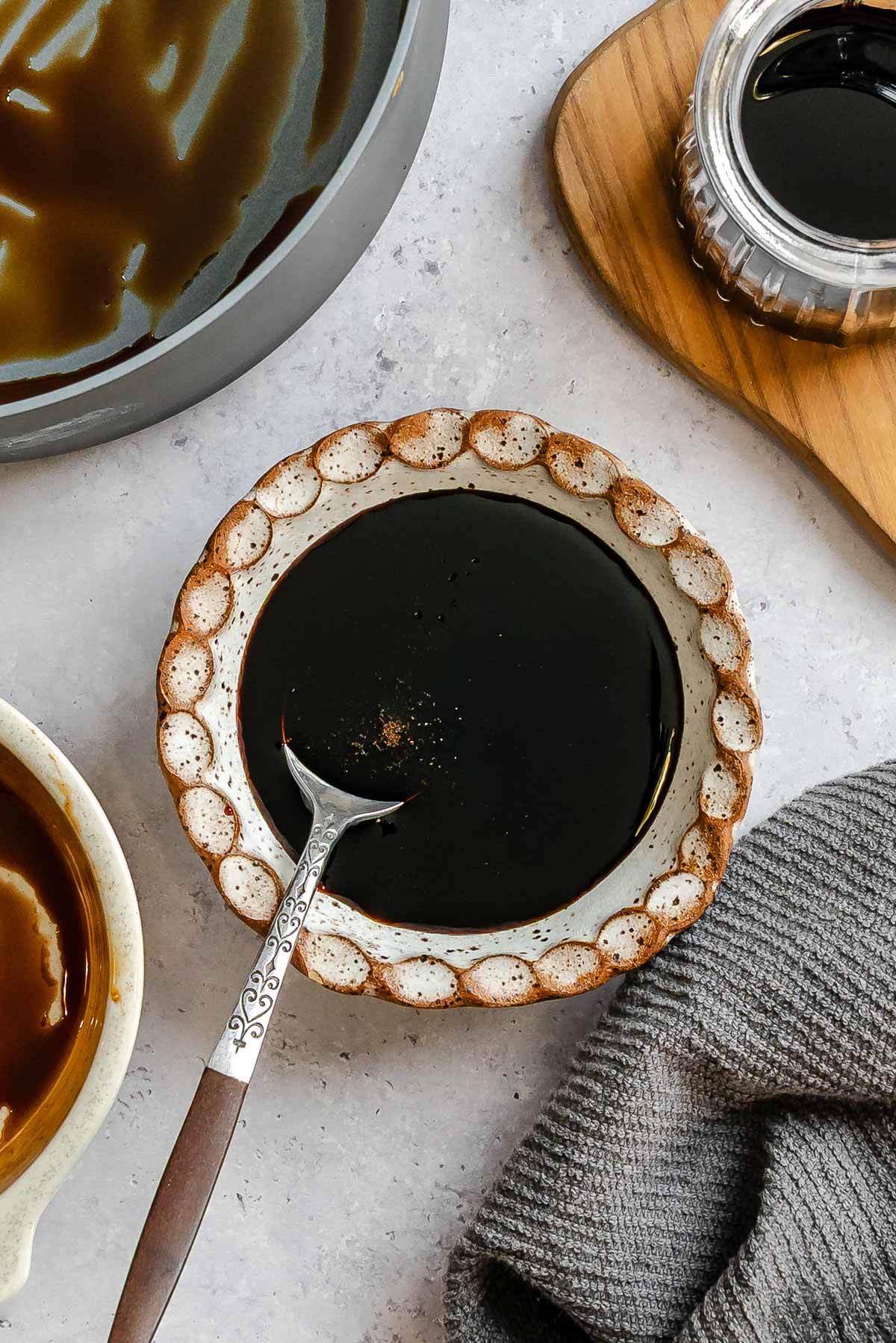
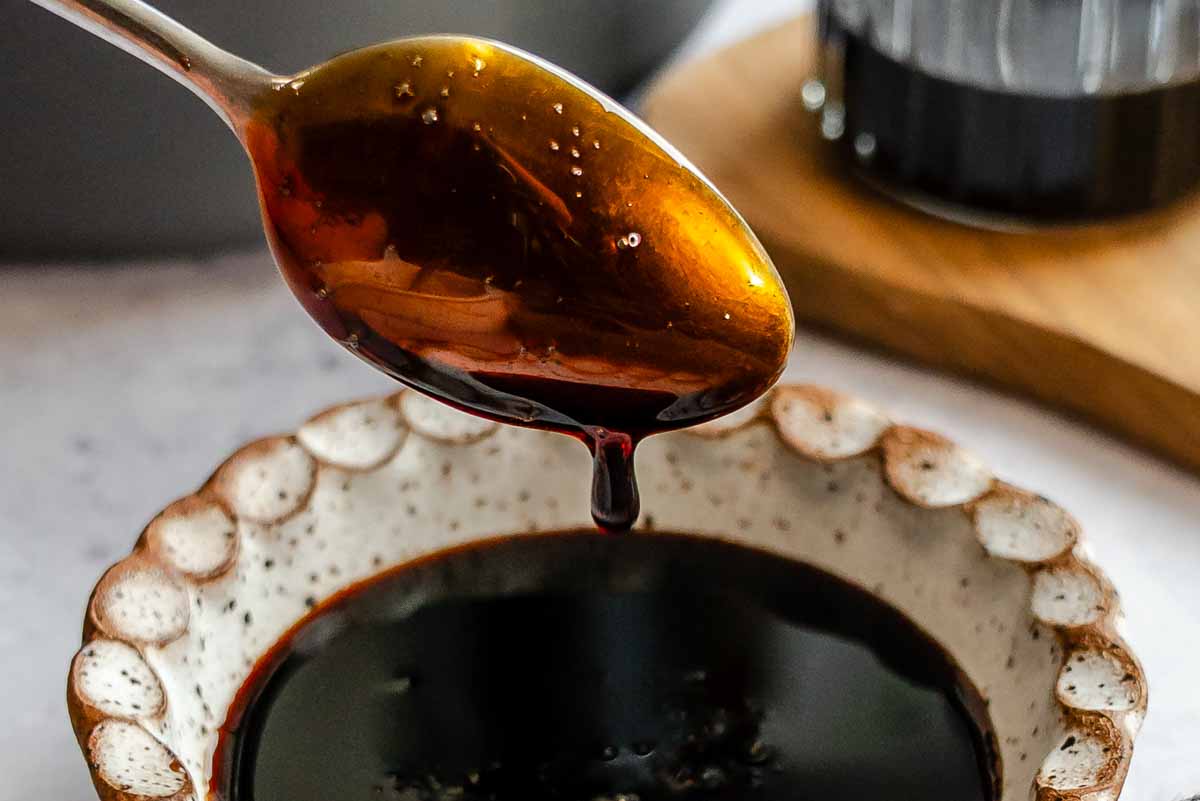
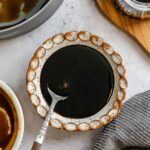
The key to this technique is knowing when the vinegar has sufficiently reduced. You want the consistency to be about the same as maple syrup.
It's better to err on the side of caution and remove the reduction early to be safe. It thickens as it cools, so it will look more liquidy while it's still on the heat.
Watch for the bubbles to get slower and use the spoon test to know when it's finished. Dip a spoon into the reduction and let the liquid drip off. It should coat the back evenly, and running your finger across it will leave a distinct, clear line that holds its shape.
Keep it at a gentle simmer to prevent bitterness. As the sugars concentrate, they become more prone to burning, especially towards the end. The vinegar can always be reduced further, but once it's been over-cooked, there's not a lot you can do. You can try to water it down a bit, but the sugars may have already caramelized or burnt.
If your reduction is too thick but not off-tasting, gently rewarm and whisk in a teaspoon or two of water until it loosens to your desired consistency.
If it tastes bitter, it was likely reduced too far or cooked at too high a temperature. You can try balancing it with a small drizzle of honey, but heavily scorched reductions are difficult to fix and it's best to just start over.
If it still looks very watery, it simply needs more time. Return it to low heat and continue reducing gradually, watching closely until it's just right.
For more recipes with balsamic, try this complex balsamic cranberry sauce, a classic homemade balsamic vinaigrette, or this smoky honey balsamic grilled chicken.
Why This Recipe Works
- A simple method with no added sugars or thickeners.
- The result is complex, clean tasting, and not overly sweet.
- More affordable than aged balsamic and better tasting than store-bought balsamic glaze.
- Delicious on meat, seafood, vegetables, fruits, cheeses, and even desserts!
Choosing the Best Balsamic Vinegar
It's important to use a vinegar that's decent quality but still inexpensive since you'll be using a lot of it.
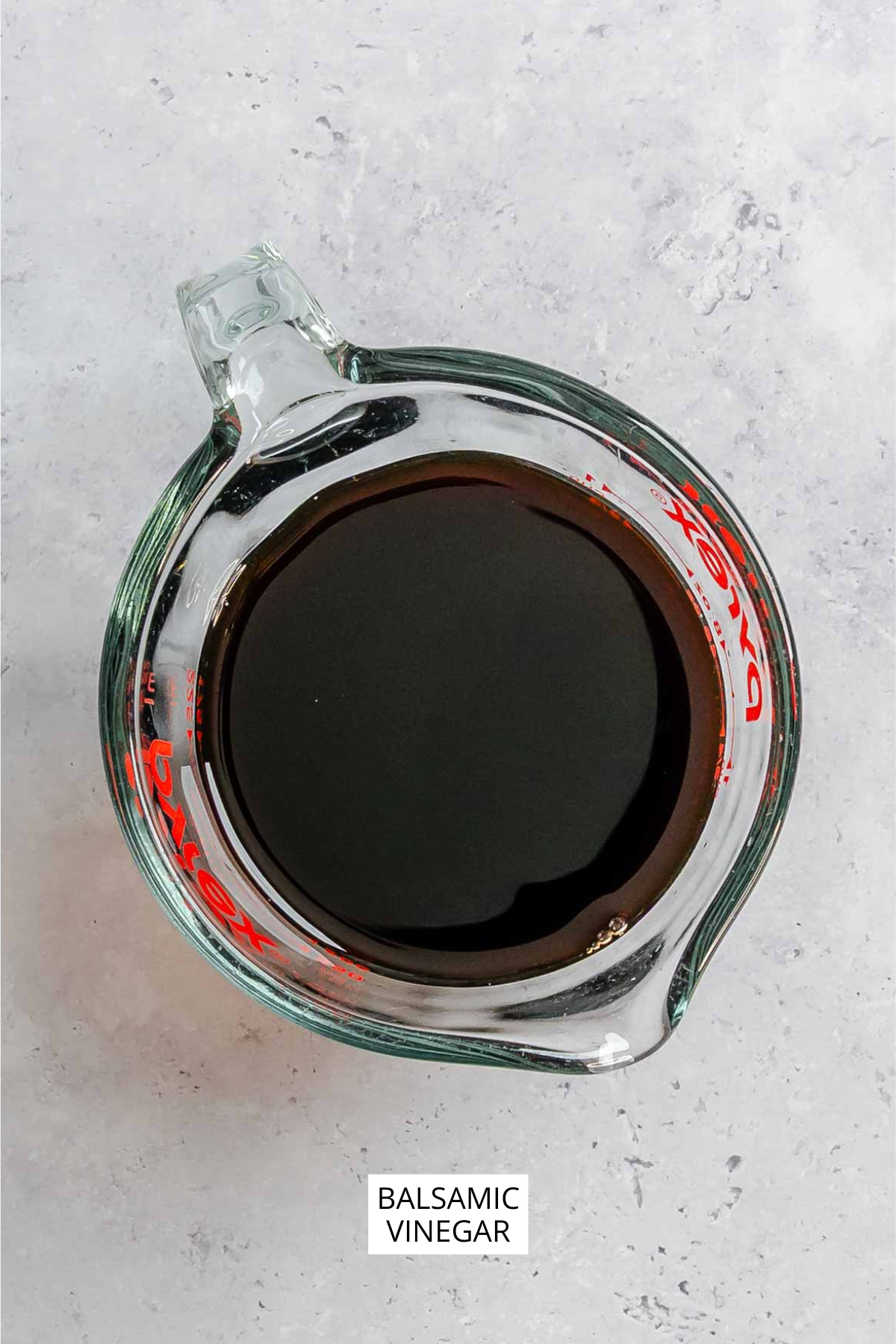
Look for a simple, mid-range balsamic vinegar that's liquidy, not syrupy, like an Aceto Balsamico di Modena IGP, or any balsamic made only from grapes that would still be good on its own in a salad. Avoid anything with added ingredients like sugars, thickeners or preservatives for best results.
Don't use anything super high quality like aged Aceto Balsamico Tradizionale, as it would be a waste.
*Find the full ingredient list in the recipe card below!
Helpful Equipment
- Wide small saucepan
How to Make Balsamic Reduction
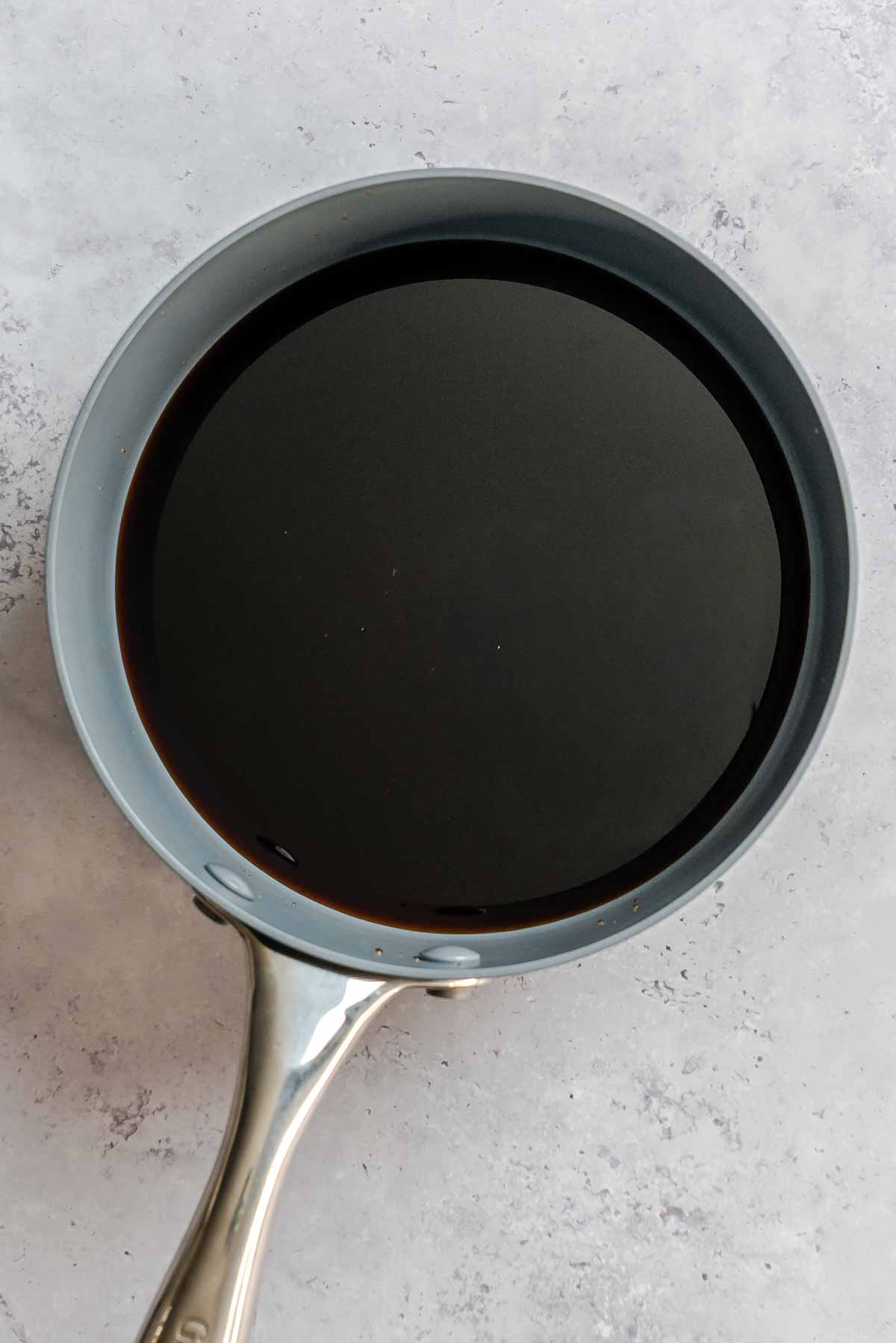
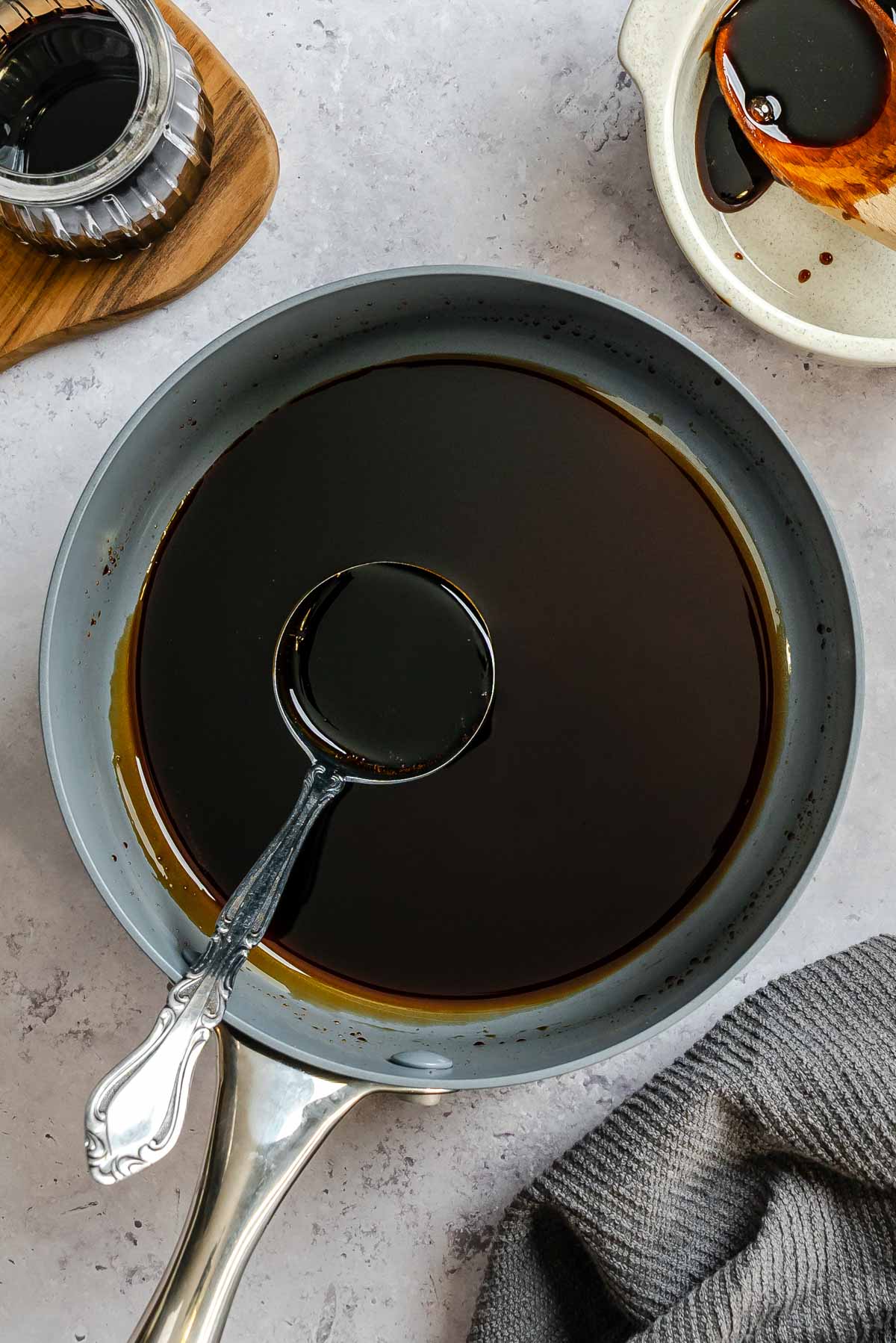
- Pour the balsamic vinegar into a wide, small saucepan and place over medium heat.
- Bring to a gentle simmer, then immediately reduce the heat to medium-low so it stays at a slow, steady simmer. You should see small bubbles, not a rapid boil.
- Let it reduce, stirring occasionally, until the volume is reduced by about half and the liquid begins to look slightly syrupy, about 10 minutes.
- As it gets close, reduce the heat to low and stir more frequently. The bubbles will become slower, and the liquid will look thicker and more glossy.
Pro Tip: To test, dip a spoon into the reduction and let it drip off. If it coats the back of the spoon but still drips, it's ready. If it runs right off and leaves nothing behind, it needs another minute or two.
- Remove from the heat while it still looks thinner than your ideal final consistency.
- Let cool completely before using. It will thicken significantly as it cools into a smooth, syrupy glaze.
Pro Tip: If your reduction is too thick once it has cooled, gently rewarm and whisk a teaspoon of water at a time until you reach your desired consistency. If it's too thin, simmer for another minute or two.
Expert Tips for Perfect Balsamic Reduction
- The reduction will always look thinner in the pan than it will when finished. If it looks perfect while hot, it will likely be too thick once cooled. Aim for a loose syrup in the pan, not a thick glaze.
- Keep the heat low and never let it boil aggressively. Lower the heat as it reduces and stay nearby for the final few minutes to prevent it from over-reducing or burning.
- If you prefer a sweeter, more syrupy glaze, add 1-2 teaspoons of honey or sugar at the beginning. Keep the heat low and watch carefully, as added sugar increases the risk of caramelizing or scorching.
Variations
- Make a fruit-forward balsamic reduction by adding a handful of raspberries or strawberries to the vinegar, then crush them into the liquid as it simmers. Once you've reached the desired consistency, strain in a fine-mesh sieve to remove any seeds or pulp.
- Make a tomato balsamic reduction by first heating the pan with a drizzle of olive oil and adding a handful of cherry tomatoes. Cook over medium-low heat until the tomato skins begin to wrinkle and burst. Add the vinegar and simmer until you reach the desired consistency, then strain.
- Add a little extra flavor to your balsamic reduction by cooking it with a garlic clove or a sprig of fresh thyme, sage, rosemary, or basil.
Ways to Use Balsamic Reduction
Drizzle on a Neapolitan-style white pizza, a summery peach cherry burrata salad, a classic Caprese salad, or an elegant beef carpaccio.
Serve with an assortment of antipasti, like my slow-roasted cherry tomato confit or Italian-style roasted red peppers. It's also delicious drizzled over cheeses like big rustic chunks of Parmigiano Reggiano or homemade stracciatella cheese.
It's also nice as a finishing touch on top of these easy steak crostini, beautiful pumpkin ricotta crostini or irresistible bacon wrapped dates. You can even put it on top of ice cream, fresh strawberries, or a silky ricotta cheesecake!
Storage and Make Ahead Tips
Allow the reduction to cool completely to test its thickness. If it has the right consistency, go ahead and store it, but if it's too thick, lightly rewarm and add a teaspoon or two of water and mix.
Store in an airtight container in the fridge for up to 3 months.
For the best pouring consistency, take the reduction out of the fridge for about 10-15 minutes before using.
FAQs
No, balsamic reduction is only balsamic vinegar that has been simmered until reaching a syrupy consistency, while balsamic glaze is balsamic vinegar mixed with sugars and thickeners.
As the sugars in the vinegar concentrate, they become more prone to burning, especially toward the end of the simmering process. This causes the reduction to overcook and taste bitter. If your reduction is off-tasting you can try to repair it by adding honey, but if it's heavily scorched it's best to start over.
If it doesn't thicken, it simply needs more time. This process might take 10-15 minutes or longer. Return it to low heat and continue reducing gradually, watching closely, especially towards the end to avoid scorching.
Balsamic reduction is used as a topping on a finished product (like roasted meats, vegetables, salads or breads) since it's already been cooked. If you want to prepare a recipe from scratch using balsamic, use regular balsamic vinegar, not balsamic reduction.


Did you LOVE this recipe? Please leave a star ⭐️ rating and comment and tag your creations @ColeyCooks on Instagram!
Want to Save This Recipe?
Enter your email & I'll send it to your inbox along with my best Thanksgiving ideas and tips.
By submitting this form, you consent to receive emails from Coley Cooks.
Balsamic Reduction (No Sugar Added)
Ingredients
- 1 cup balsamic vinegar
Instructions
- Pour the balsamic vinegar into a wide, small saucepan and place over medium heat.
- Bring to a gentle simmer, then immediately reduce the heat to medium-low so it stays at a slow, steady simmer. You should see small bubbles, not a rapid boil.
- Let it reduce, stirring occasionally, until the volume is reduced by about half and the liquid begins to look slightly syrupy, about 10 minutes.
- As it gets close, reduce the heat to low and stir more frequently. The bubbles will become slower, and the liquid will look thicker and more glossy. To test, dip a spoon into the reduction and let it drip off. If it coats the back of the spoon but still drips, it's ready. If it runs right off and leaves nothing behind, it needs another minute or two.
- Remove from the heat while it still looks thinner than your ideal final consistency.
- Let cool completely before using. It will thicken significantly as it cools into a smooth, syrupy glaze.
Notes
- If your reduction is too thick once it has cooled, gently rewarm and whisk a teaspoon of water at a time until you reach your desired consistency. If it's too thin, simmer for another minute or two.
- The reduction will always look thinner in the pan than it will when finished. If it looks perfect while hot, it will likely be too thick once cooled. Aim for a loose syrup in the pan, not a thick glaze.
- Keep the heat low and never let it boil aggressively. Lower the heat as it reduces and stay nearby for the final few minutes to prevent it from over-reducing or burning.
- If you prefer a sweeter, more syrupy glaze, add 1-2 teaspoons of honey or sugar at the beginning. Keep the heat low and watch carefully, as added sugar increases the risk of caramelizing or scorching.