
Pastina
This recipe for Pastina is exactly what I make when I want something that's warm and comforting, but also really easy. It's creamy and satisfying, but not too rich, and can be on your table in under 10 minutes. This is the ultimate Italian comfort food!
This post may contain affiliate links.
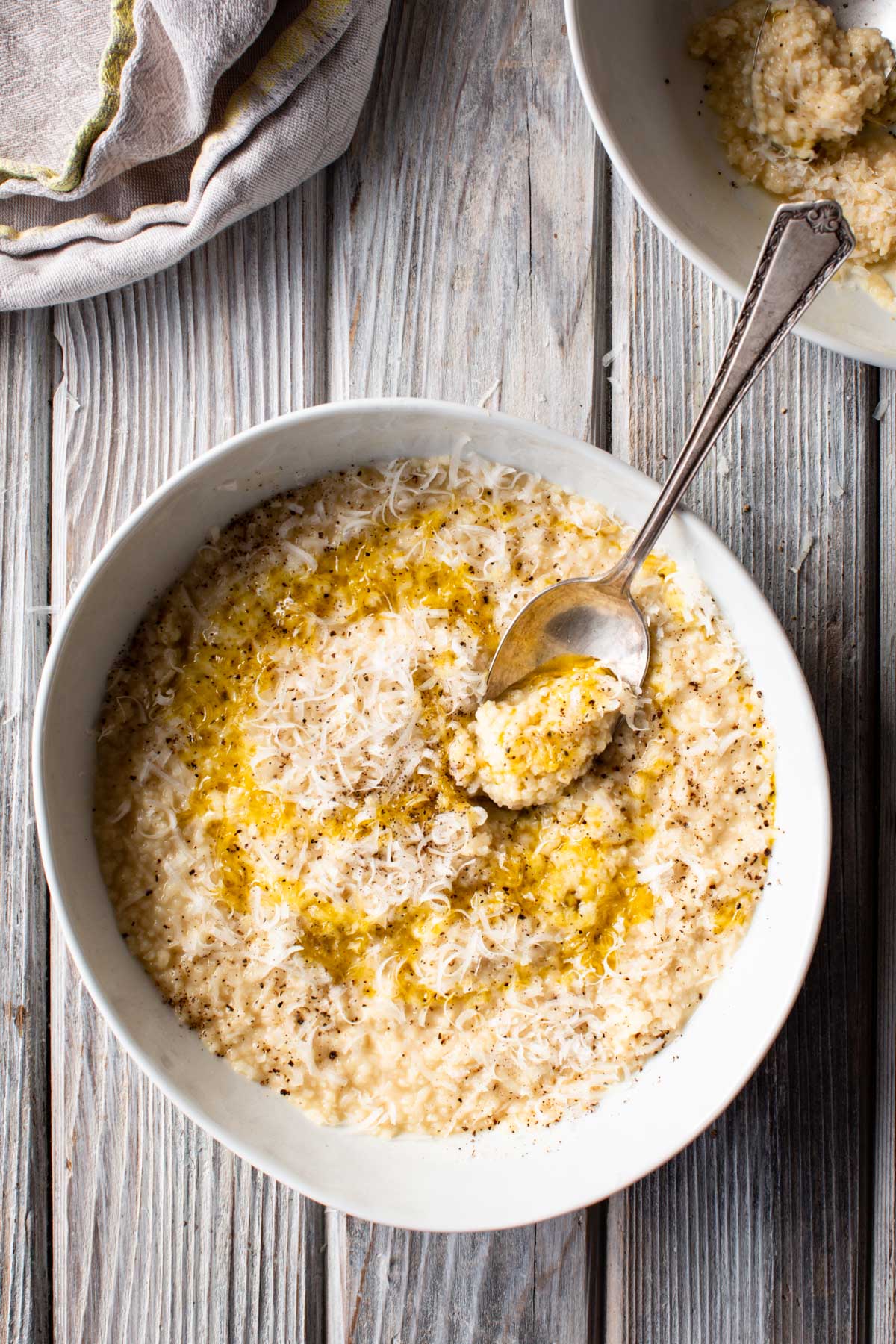
Pastina is often referred to as Italian penicillin, and like most humble recipes, it looks a little different depending on the family or region you're from.
My family's version is basically just chicken pastina soup, but for others, it's an entirely different dish. The pastina is cooked directly in stock until thick and creamy, almost like risotto, then finished with a beaten egg for a silky texture.
The first time I made pastina this way, I couldn't get over how rich and delicious it was! I'll always love my family's version, but this one is much simpler, so I make it a lot more often.
No matter how you make your pastina, it's hands down the best thing to eat when you're sick! It comes together in less than 10 minutes and is perfect when you want something warm and soothing with low effort. It really is the ultimate comfort food.
I like to mix the egg and Parmigiano together and then gently temper them with hot broth so they blend into a silky finish. You can skip this to make the recipe even quicker, but if your pastina is very hot, the eggs could scramble before incorporating.
It gets finished with just a little bit of butter, and then I love to serve it with plenty of freshly cracked black pepper, more grated parm and a little drizzle of olive oil.
Eating pastina feels like a warm hug from mom, and has become one of my all time favorite comfort foods!
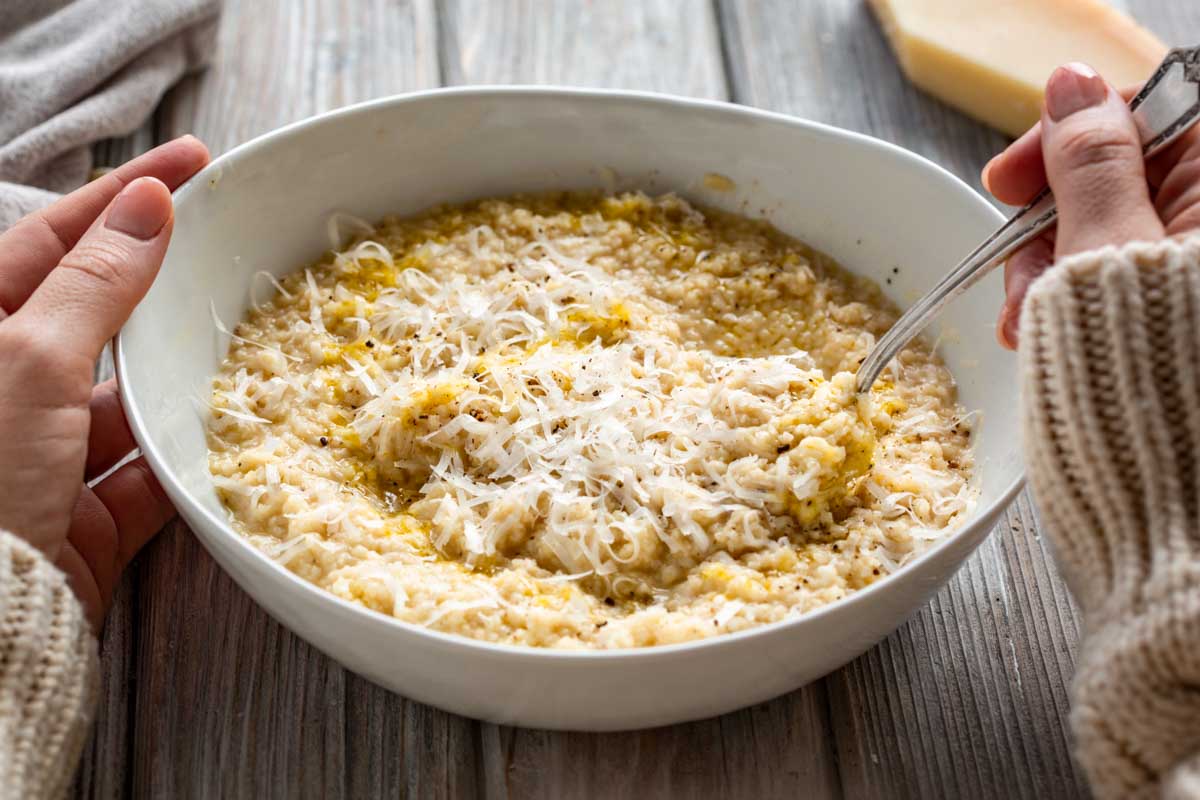
What is Pastina?
Pastina is a tiny pasta that's been a staple of Italian home cooking for generations, specially in central and southern Italian regions where tiny shapes, like stelline, were produced so they could cook quickly in broths and soups.
Like most Italian dishes, pastina isn't made one single way. Some families keep it loose and brothy, while others cook it down until thick and finish it with egg and cheese for a richer texture.
This little pasta became a staple in many Italian families because it was inexpensive, easy to digest, unfussy and comforting. It's typically served in chicken soup or light broths and is great for children or anyone feeling under the weather.
Want more Italian comfort food? Try this classic Pasta Fazool, a bowl of melt-in-your-mouth Homemade Gnocchi or a creamy Mushroom Risotto.
Why This Recipe Works
- A simple technique to make creamy, comforting pastina.
- Comes together quickly with minimal effort so it's great for busy weeknights.
- Easy to customize with different herbs, seasonings or vegetables.
- This technique can be used with other small pasta shapes as well.

Italian Penicillin Ingredients
Pastina - Pastina most often refers to a tiny star shaped pasta called stelline, which means little stars in Italian. It can be a bit more difficult to find in grocery stores these days, so you can substitute any other very small pasta shape like acini di pepe, orzo or ditalini. Learn more about Italian dried pasta in my post.
Chicken stock - Use a good quality chicken broth or homemade chicken stock for the best flavor. The dish relies on simple ingredients, so a rich stock gives the best results.
Egg - A single whisked egg adds body and gives the pastina a silky, creamy consistency once tempered.
Parmesan cheese - Parmigiano Reggiano or Grana Padano melt nicely into the pastina. You can also mix in a bit of pecorino romano if you want more sharpness.
Salt - I use Diamond Crystal Kosher salt, which is less salty than other kinds, so you may need to adjust your amount.
*Find the full ingredient list in the recipe card below!
Helpful Equipment
- Large pot
- Medium bowl
- Ladle
- Wooden spoon
- Measuring cups
- Measuring spoons
How to Make Pastina

- Bring the chicken stock, garlic cloves and bay leaves (if using) to a simmer in a medium pot. Season with a little salt.
- Add the pastina and cook, stirring often, until the pasta is tender and most of the stock has been absorbed, about 6 to 8 minutes. It should stay loose and spoonable. If it starts to get too thick, add a splash more stock. Remove the pot from the heat.
Pro Tip: Stir the pastina often so it cooks evenly. Since this is the smallest shape of pasta, it can stick to the bottom if left alone.
- Whisk the egg and Parmigiano together in a medium bowl. Ladle in a small amount of the hot pastina while whisking to temper the mixture.

- Slowly pour the tempered egg mixture into the pot while stirring.
- Add the butter and stir until everything is creamy and smooth.
- Taste, adjust the seasoning, and thin with more stock if needed. Serve right away with more Parmigiano, black pepper and a drizzle of extra virgin olive oil.

Pastina Tips
- You can skip the step of simmering the stock with garlic and bay leaves if you want, but it adds a nice subtle flavor in the background.
- Add a squeeze of lemon juice at the end to brighten the flavor.
- For a looser, soupier texture add an extra splash or two of warm stock before serving.
- Keep the heat off when adding the egg mixture so the whisked egg doesn't scramble.
- This will thicken as it sits, so stir in a little more broth or water to loosen it as needed.
- Serve immediately since pastina continues to absorb liquid as it sits, and the texture will become softer.
Variations
- Next time, try orzo, acini de pepe, fregola sarda or ditalini instead of stelline.
- Brighten the flavor with a little lemon zest or a handful of chopped fresh herbs.
- Add a parmesan rind to the broth as the pastina cooks to add a richer flavor.
- Wilt down some baby spinach before serving to add some greens.
- Use any other kind of stock, like vegetable, turkey, beef or even seafood or mushroom stock.
Serving Suggestions
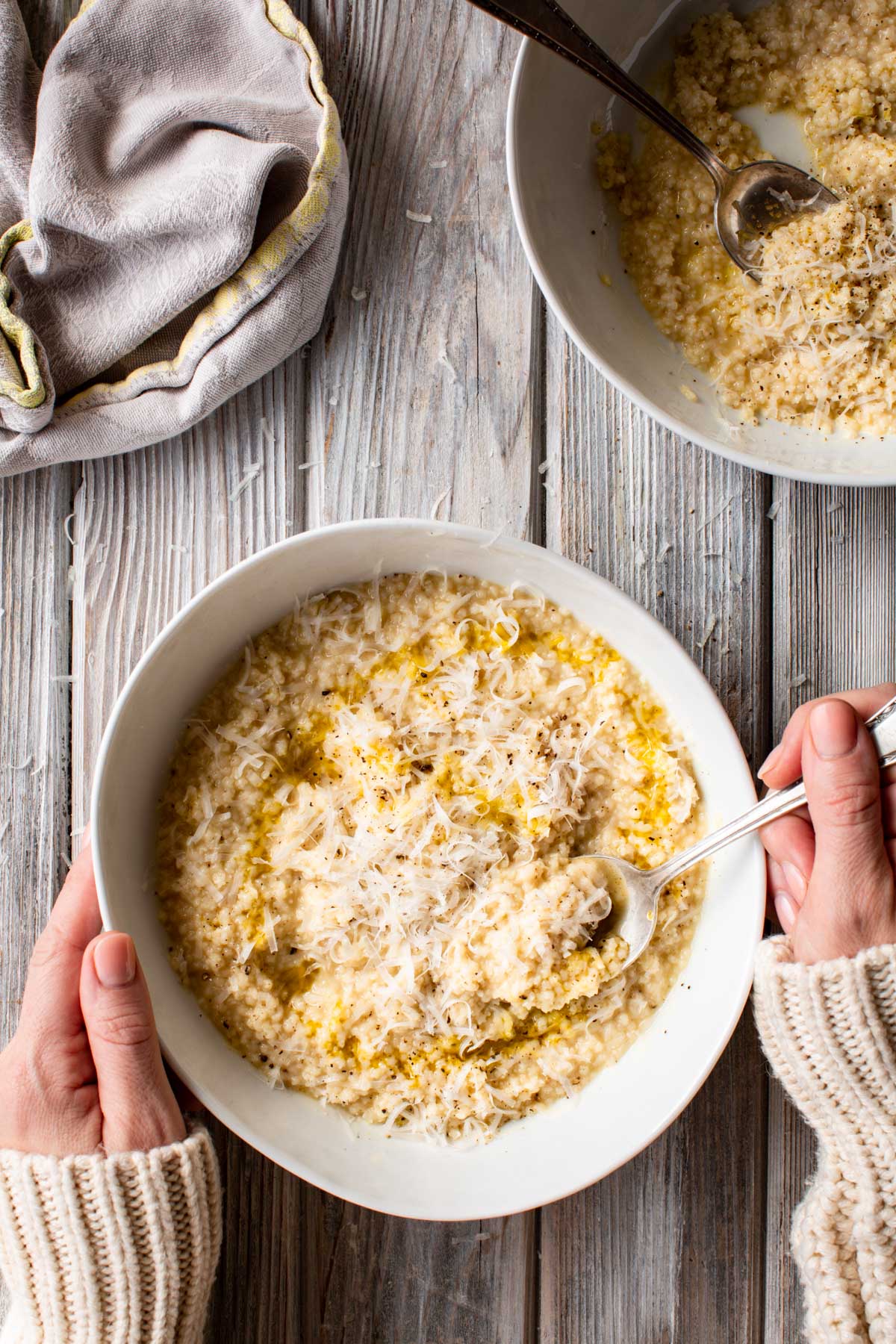
Serve this comforting meal on its own or with something crisp or fresh for balance.
You can never go wrong with a homemade Caesar Salad, a refreshing Fennel Orange Salad, a simple Arugula Salad or mixed greens with a tangy Homemade Balsamic Vinaigrette.
Don't forget to serve with some crusty bread or Homemade Focaccia to mop up every last bit.
How to Store and Reheat Pastina
Pastina thickens as it sits, so store leftovers in an airtight container in the refrigerator for up to 3 days.
When reheating, warm it gently with a splash of broth until it loosens back to a spoonable consistency. Avoid freezing since this tiny pasta tends to absorb too much liquid and lose its texture.
Pastina FAQ's
Yes. Vegetable broth or even bone broth works well and still creates a delicious base for this traditional recipe.
Make sure to temper the whisked egg with a bit of the hot pastina, then stir it in slowly with the pot off the heat.
Yes. Just use a large pot and keep an eye on the cooking times since larger amounts of tiny pasta may take an additional 2-3 minutes to soften.
Cut the recipe in half and adjust the stock as you go. This easy pastina recipe scales down nicely and is the perfect meal when you need something quick.
This is the smallest shape of pasta so it absorbs liquid fast. Add more broth and stir to smooth it out again.
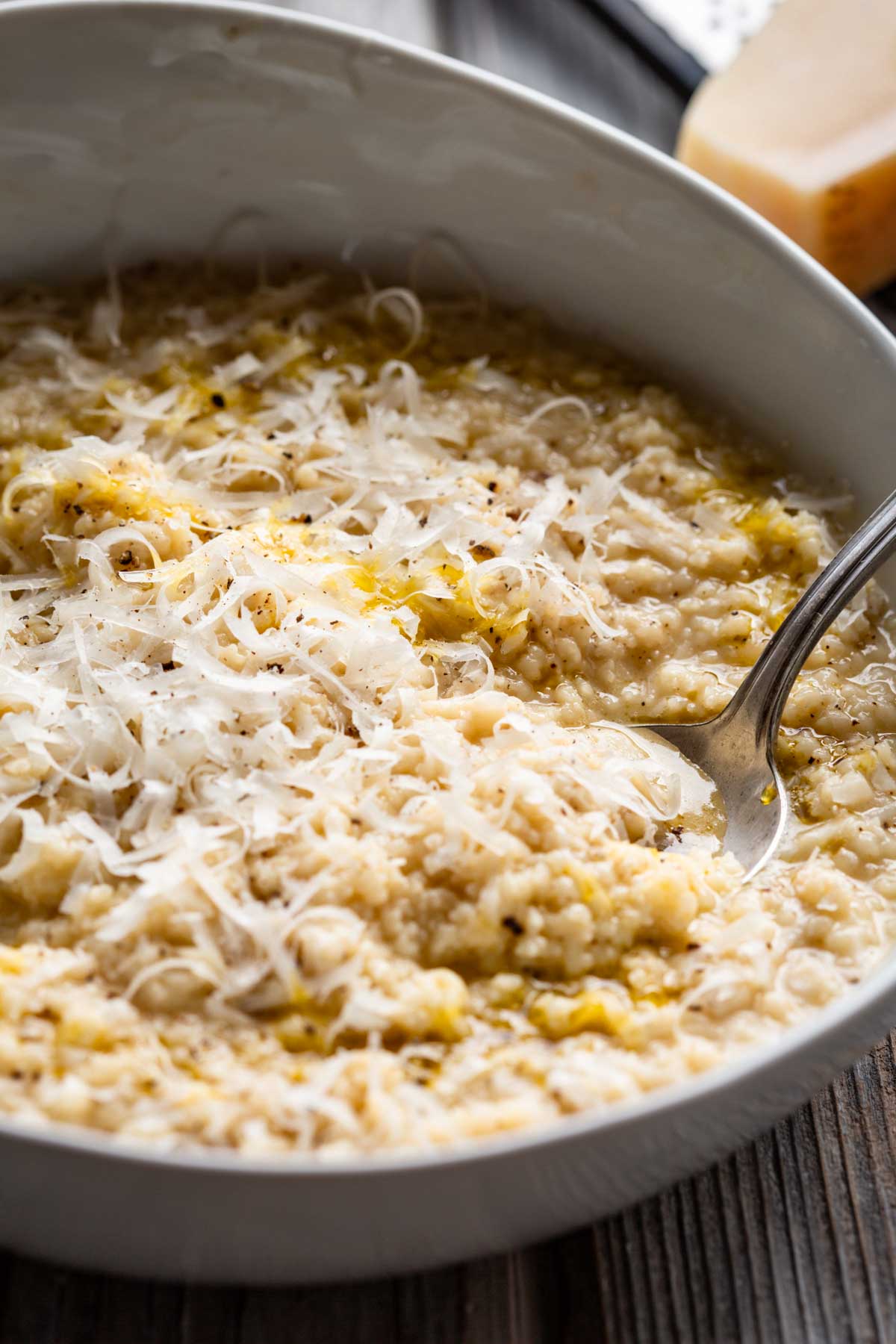
It's a type of pasta made in very small shapes, with tiny stars (stelline pastina) being the most traditional form. Pastina is often the main ingredient in a simple soup recipe but it can also be cooked until creamy to create the ultimate Italian comfort food. Pastina pasta comes in different shapes and they all cook very quickly, so it isn't eaten al dente like larger cuts, but it shouldn't be overcooked either for the best texture.


Did you LOVE this recipe? Please leave a star ⭐️ rating and comment and tag your creations @ColeyCooks on Instagram!
Want to Save This Recipe?
Enter your email & I'll send it to your inbox.
By submitting this form, you consent to receive emails from Coley Cooks.

Pastina
Ingredients
- 3-4 cups chicken stock
- 1-2 garlic cloves lightly crushed with a knife, optional
- 1 bay leaf optional
- 1 cup pastina about ½ 12 oz package
- 1 large egg room temperature
- ½ cup Parmigiano Reggiano freshly grated, plus more for serving
- 2 tablespoons unsalted butter
- kosher salt to taste
- freshly cracked black pepper
- extra virgin olive oil for drizzling
Instructions
- Bring the chicken stock, bay leaf and garlic cloves (if using) to a simmer in a medium pot. Season with a little salt.3-4 cups chicken stock, 1-2 garlic cloves, 1 bay leaf, kosher salt to taste
- Add the pastina and cook, stirring often, until the pasta is tender and most of the stock has been absorbed, about 6 to 8 minutes. It should stay loose and spoonable. If it starts to get too thick, add a splash more stock. Remove the pot from the heat.1 cup pastina
- Whisk the egg and Parmigiano together in a medium bowl. Ladle in a small amount of the hot pastina while whisking to temper the mixture.1 large egg, ½ cup Parmigiano Reggiano
- Slowly pour the tempered egg mixture into the pot while stirring. Add the butter and stir until everything is creamy and smooth.2 tablespoons unsalted butter
- Taste, adjust the seasoning, and thin with more stock if needed. Serve right away with more Parmigiano, black pepper and a drizzle of extra virgin olive oil.freshly cracked black pepper, extra virgin olive oil
Notes
- Stir the pastina often so it cooks evenly. Since this is the smallest shape of pasta, it can stick to the bottom if left alone.
- You can skip the step of simmering the stock with garlic and bay leaves if you want, but it adds a nice subtle flavor in the background.
- Add a squeeze of lemon juice at the end to brighten the flavor.
- For a looser, soupier texture add an extra splash or two of warm stock before serving.
- Keep the heat off when adding the egg mixture so the whisked egg doesn't scramble.
- Serve immediately since pastina continues to absorb liquid as it sits, and the texture will become softer.



Easy to prepare! Delicious and delicious hearty. Whole family enjoyed it
Amazing!! So glad you loved it. Thanks for leaving a review!