
The Best Easy Flounder Recipes
Flounder is one of my favorite fish to both cook and eat at home, especially when it's fresh and in season. This collection of flounder recipes highlights just how versatile it can be, from simple pan-seared fillets to crisp, golden fried favorites. Whether you're keeping things easy or going a little all out, there's something here for every kind of seafood lover!
This post may contain affiliate links.
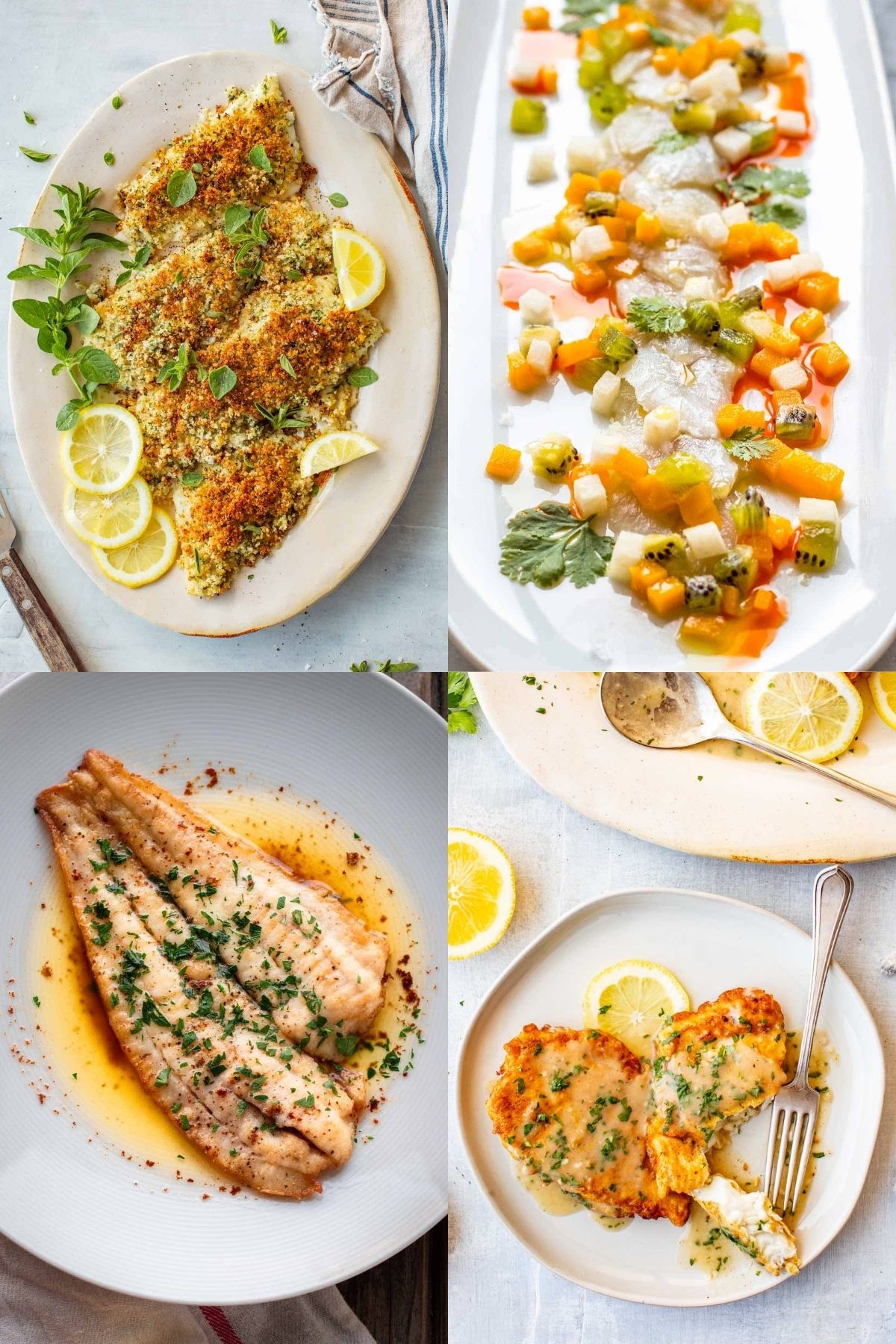
What type of fish is Flounder?
Flounder is a delicate, mild, flaky white fish that's commonly found along the Atlantic coast. Here in the Northeast, summer flounder is called fluke, and it's in season and at its best during the summer months.
Flounder, or fluke, is a flatfish, which means it has a thin body and delicate fillets that cook quickly and don't need much fussing. Because of that, it's a favorite for simple preparations that let the fish really speak for itself!
You'll often see flounder used interchangeably with other similar fish like sole, since they share that same light texture and subtle flavor. It's an easy, approachable option whether you're cooking seafood for the first time or just want something quick that you know won't let you down.
What does flounder taste like?
Flounder has a very mild, slightly sweet flavor with a soft, flaky texture that's incredibly delicate when cooked properly. It's not overly "fishy," which makes it a great option if you're easing into cooking more seafood at home.
Because it's so light, it works especially well with simple, classic preparations like lemon, butter, herbs or a quick pan sauce. It really doesn't need much to make it shine, just fresh ingredients and a little attention while it cooks.
Summer Flounder (Fluke) vs Winter Flounder
Summer flounder and winter flounder are different species, and the main difference comes down to texture and thickness. Summer flounder is often called fluke, especially along the East Coast. It has larger, thicker fillets with a slightly firmer texture, so it's more forgiving to cook and holds together well.
Fluke is typically in season from late spring through early fall, which is when you'll see it most often at fish markets, and when the fillets tend to be thicker, fresher and more flavorful.
Winter flounder is smaller, more delicate and more commonly available in the colder months, with peak season running from fall through early spring. It has thinner fillets and a softer texture, so it cooks very quickly and can fall apart or dry out easily if overcooked.
How to buy flounder
With modern fishing and distribution, you can usually find some form of flounder year round, but buying in season will almost always give you better texture and flavor.
If you're on the East Coast, fluke (summer flounder) is at its peak from late spring through early fall, and that's when it tastes the best. The fillets tend to be fresher, a little firmer, and easier to work with, especially for quick-cooking recipes.
When shopping, look for fillets that are bright white, slightly translucent, and free of any dull or gray spots. They should smell clean and fresh, never overly fishy. Because flounder is so delicate, it's best to buy it the same day you plan to cook it if possible.
If you have access to a fish market, don't be afraid to ask what's freshest or locally sourced. And if you ever have the option to get whole fish or fillets that were recently caught, it's absolutely worth it. That's when flounder is at its best.
Frozen flounder can also be a good option, especially if it's vacuum sealed and properly handled. Just be sure to thaw it in the refrigerator and pat it very dry before cooking.
The Best Flounder Recipes
Flounder is one of the easiest fish to cook at home, and once you get the hang of it, you can use it in just about any white fish recipe. Its mild flavor and delicate texture make it incredibly versatile, whether you're pan-searing, baking, or frying.
Because it's a thinner, more delicate fish, it just needs a little extra attention when cooking. It cooks quickly and doesn't need much to make it shine, which is exactly what makes it so good in simple, well-balanced recipes like these.
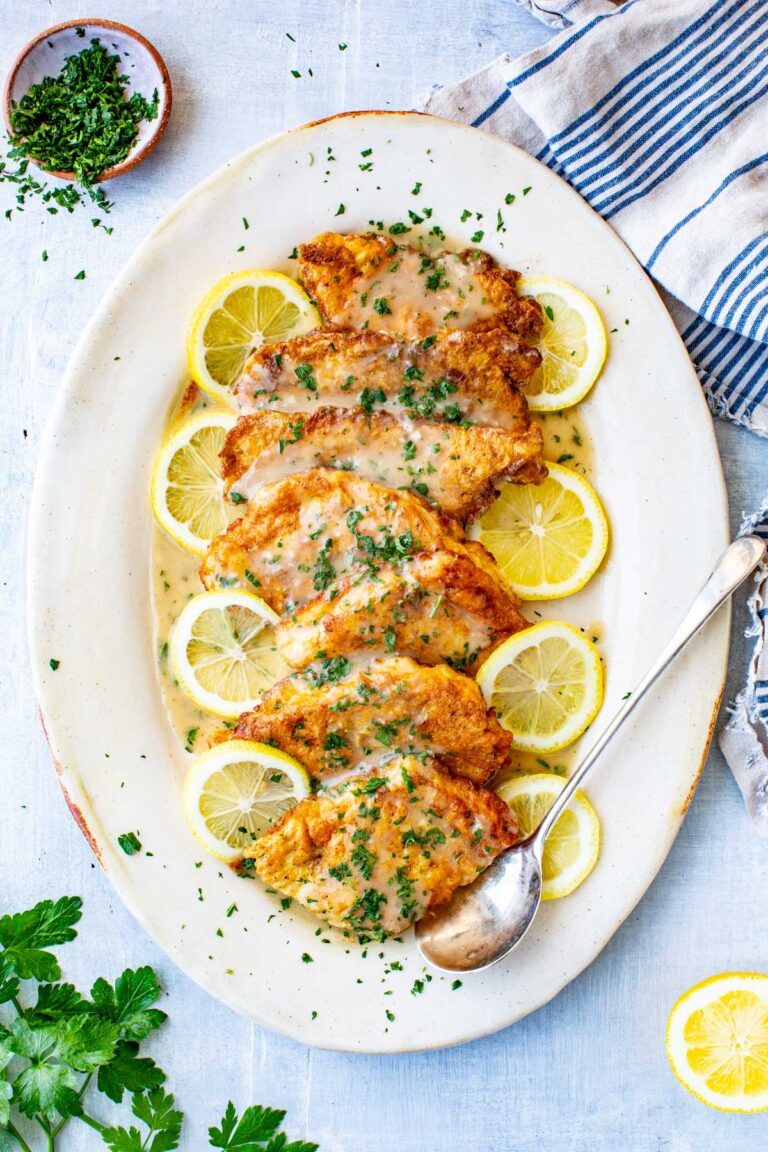
Flounder Francaise
This flounder Francaise is all about a simple technique that delivers every time. The light egg and pecorino coating adds just enough flavor and helps the fish cook up perfectly tender, while the lemon butter sauce brings everything together without feeling too heavy. It's quick, classic, and especially good when flounder is in season.
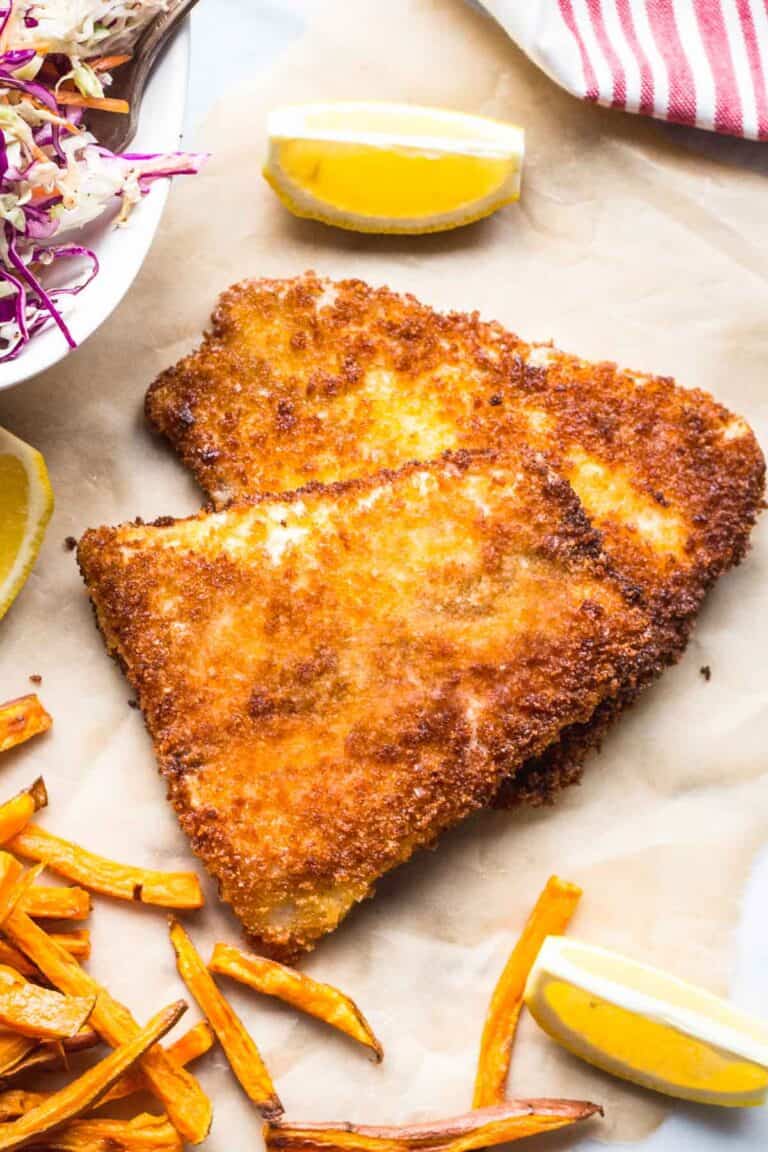
Panko Crusted Fried Flounder
This panko crusted fish is all about that light, crispy coating and a simple shallow-fry method that delivers every time. It works with just about any white fish, including flounder, which fries up beautifully.
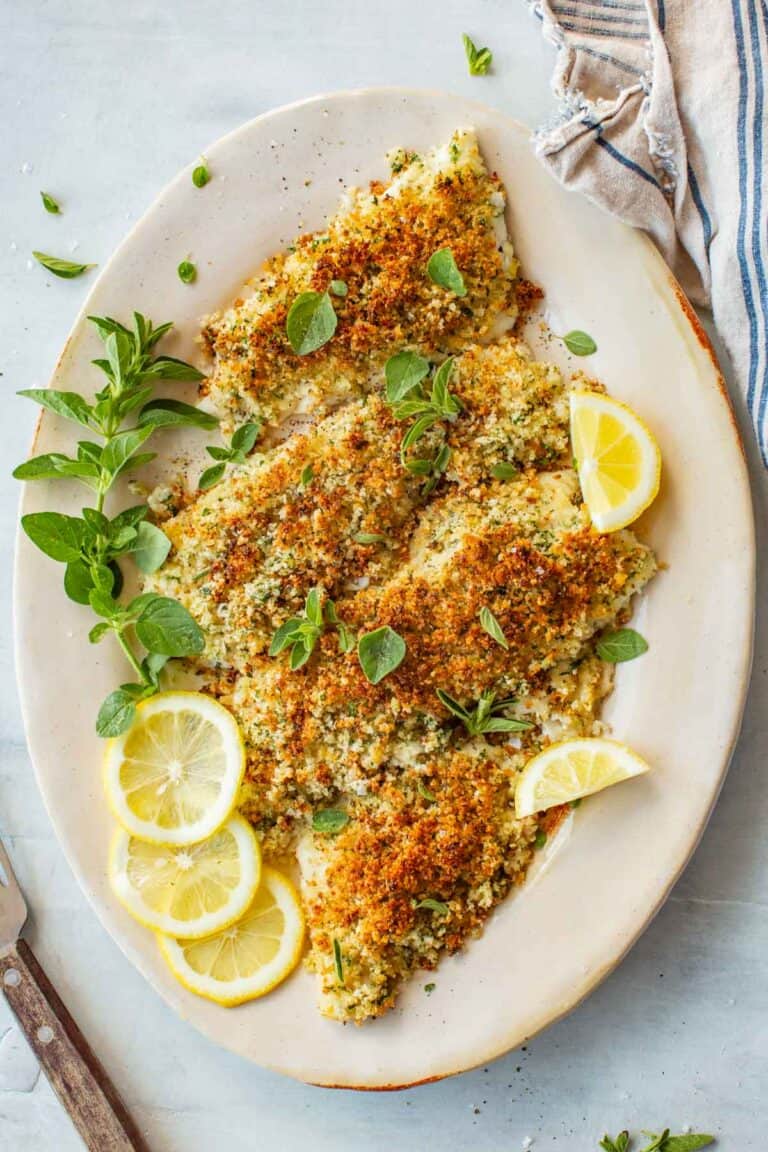
Baked Flounder Oreganata
This flounder oreganata is a simple, no-fuss dish that really delivers. The lemony, garlicky breadcrumbs bake up crisp on top while the fish stays tender underneath, giving you that perfect contrast without much effort.
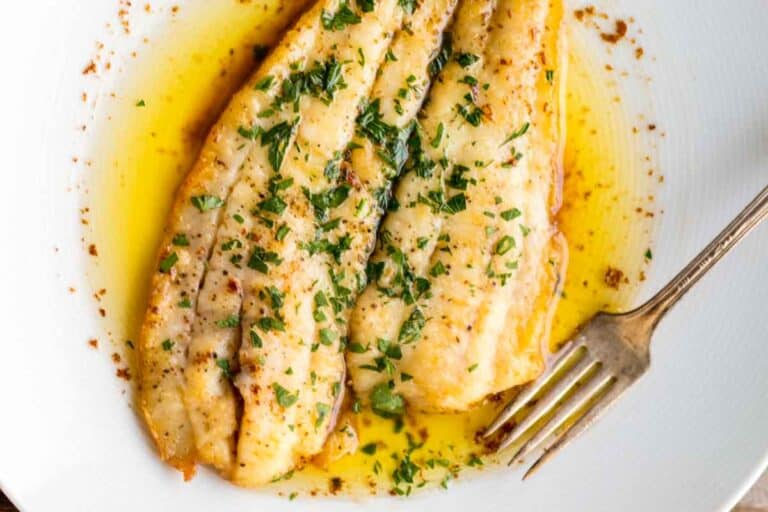
Flounder Meunière
This classic flounder meunière keeps things simple in the best way. Lightly dredged fish cooks quickly, then gets finished with nutty brown butter, lemon, and parsley for a sauce that does all the work. It's fast, unfussy, and one of those recipes that feels impressive without requiring much effort.
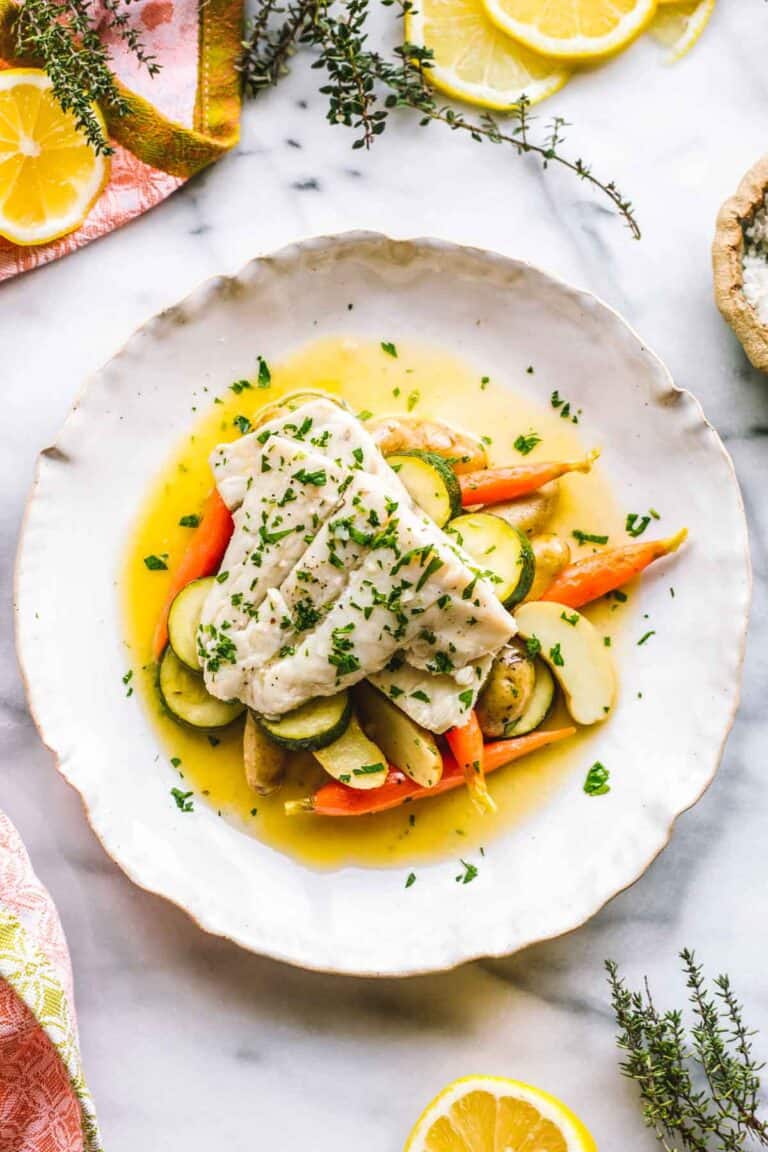
Butter Poached Flounder
This butter poaching method is one of the easiest ways to get perfectly cooked fish every time. While it's often used for thicker, firmer fish, it can work with flounder too, just keep the heat low and reduce the cooking time since it's so delicate.
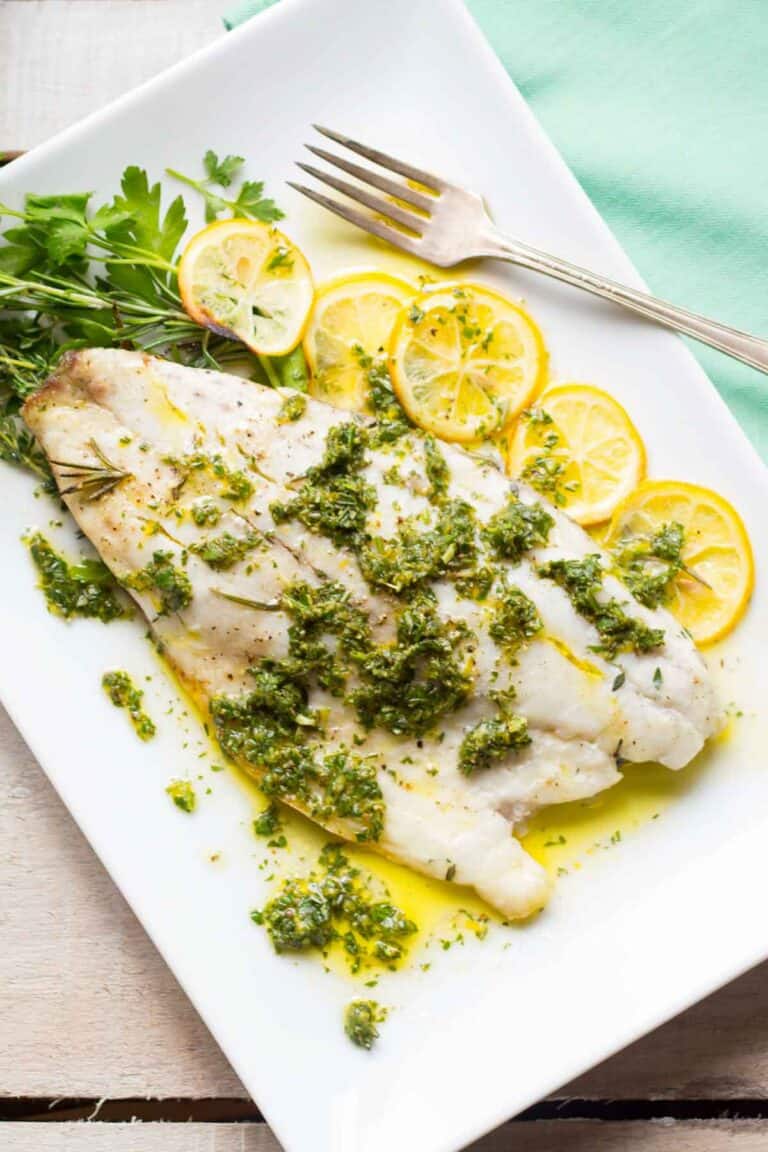
Lemon Herb Baked Fish
This simple baked fish recipe is all about a high-heat, quick cook that keeps the fish moist and tender without much effort. The lemon and fresh herbs keep it light and fresh. Flounder is a great option here, just keep an eye on it since the thinner fillets will cook even faster.

Mashed Potato Fish Cakes
These mashed potato fish cakes are a great way to turn leftover fish into something new. They're crisp on the outside and perfectly tender in the middle. While heartier fish are more traditional, flounder works too, just handle it gently when mixing so you keep some texture.
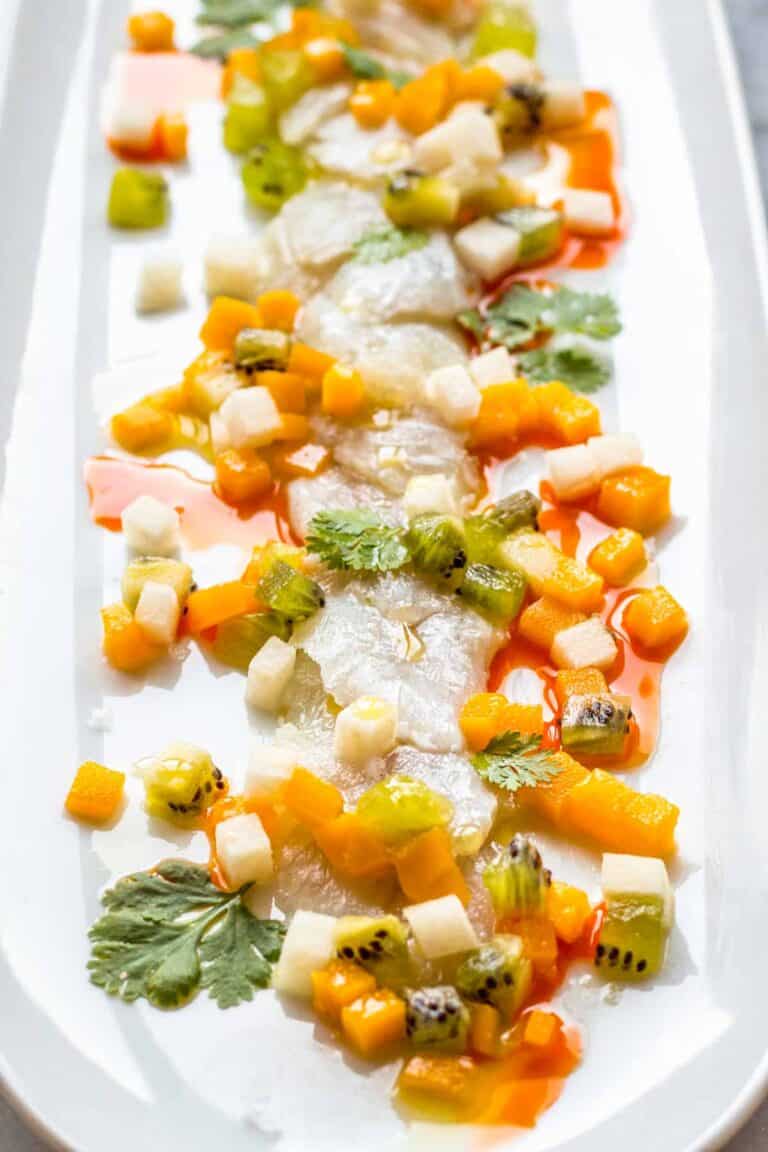
Fluke Crudo with Jicama, Mango and Kiwi
This fresh, no-cook crudo is all about letting high-quality fish shine. It's especially good with fluke or flounder when it's in season, where the delicate texture really stands up to the bright citrus, sweet fruit, and a little heat from chili oil.
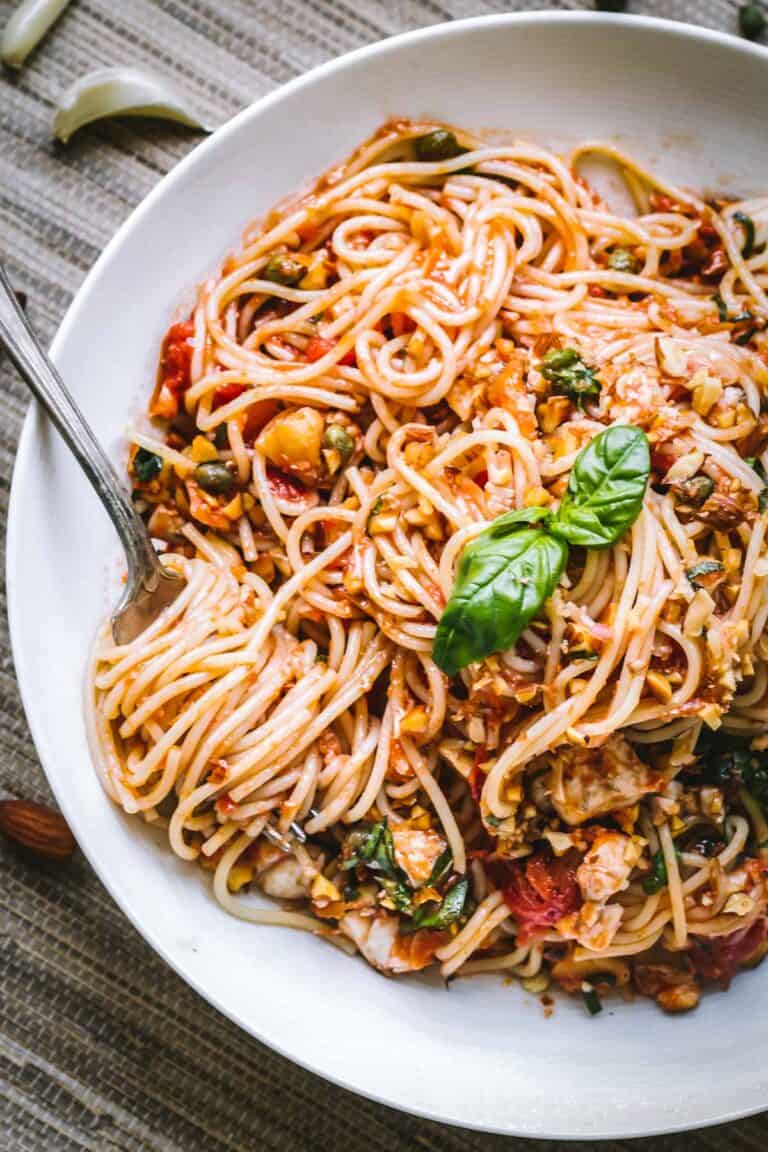
Sicilian Style Fish Pasta
This Sicilian-inspired fish pasta is a great example of how simple pantry ingredients can turn into something really satisfying. Tomatoes, capers, garlic, and herbs build a bold base, while the fish adds substance without much extra work. Add flounder at the end or use leftovers so it doesn't overcook.
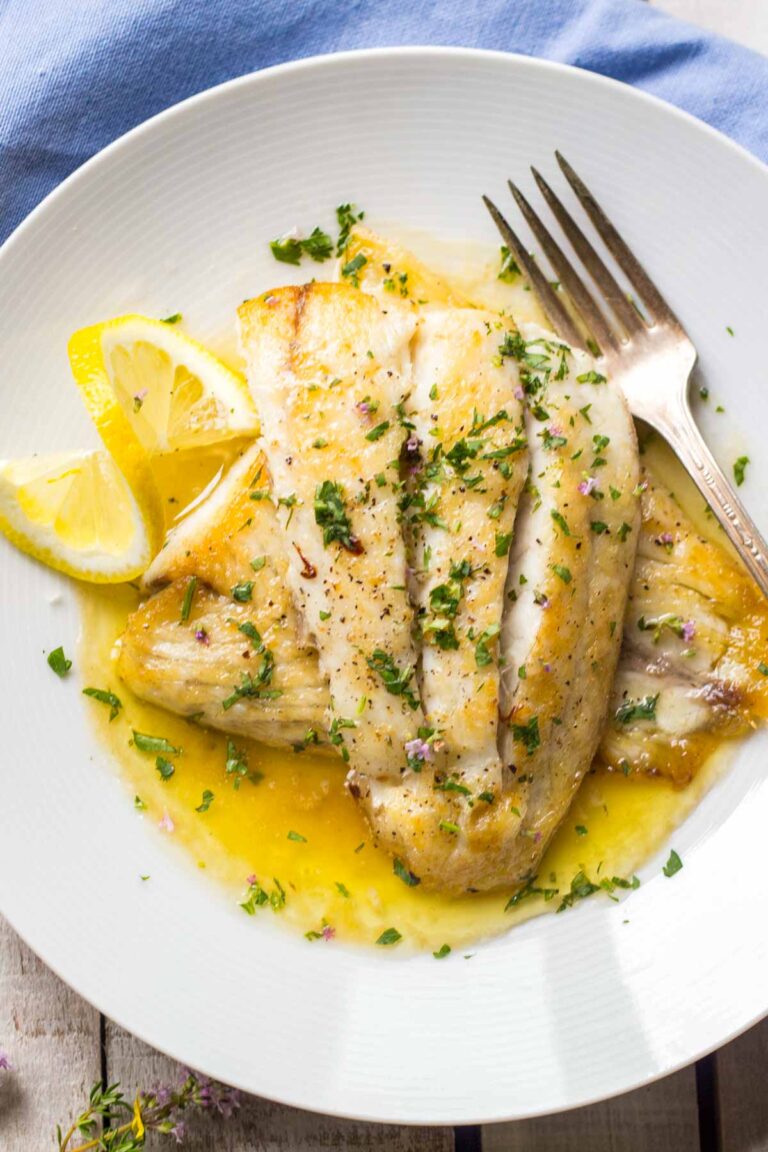
Lemon Butter Fish
This is a simple pan-seared fish that relies on good technique more than anything else. A quick sear builds flavor, then the sauce comes together with lemon and butter for a smooth, balanced finish. Flounder works really well here, especially since it cooks quickly and takes on the sauce without much effort.
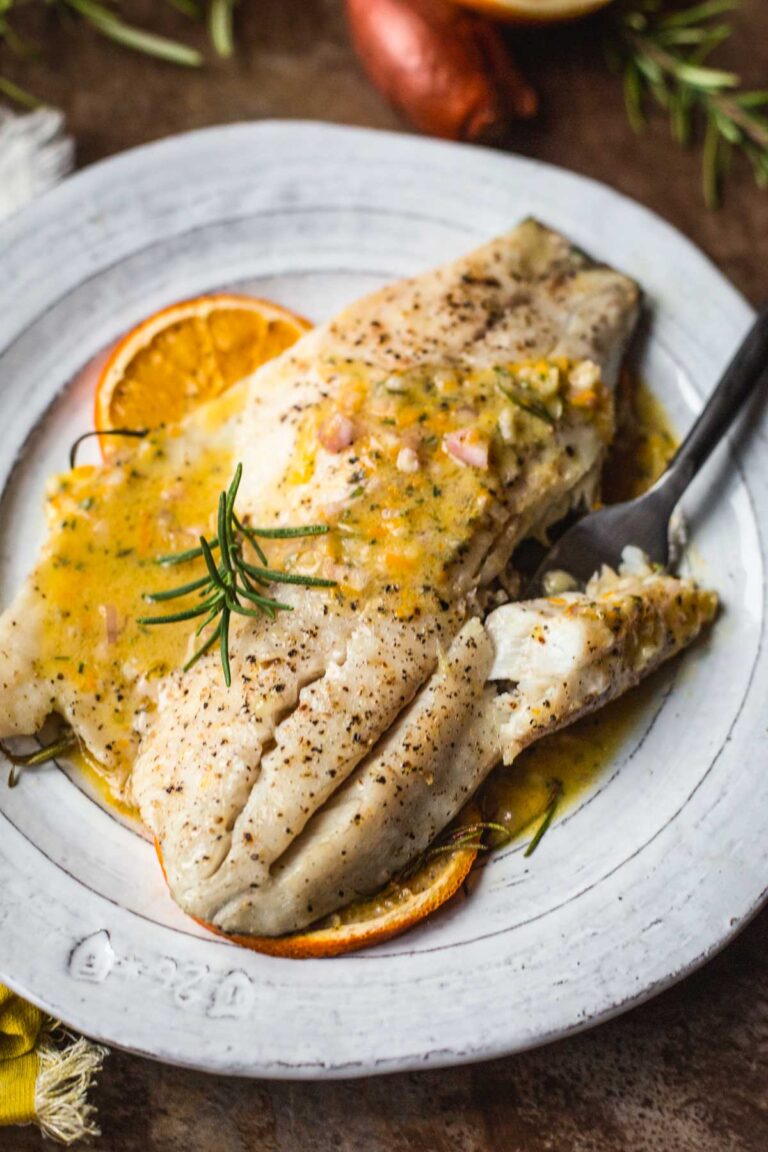
Roasted Fish with Orange
This roasted fish uses a simple technique that keeps the top lightly browned while the bottom steams over citrus and herbs. The result is tender, flavorful fish with very little effort, plus a bright vinaigrette to finish. Flounder is a nice choice here, especially if you tuck the thinner ends under so it cooks evenly.
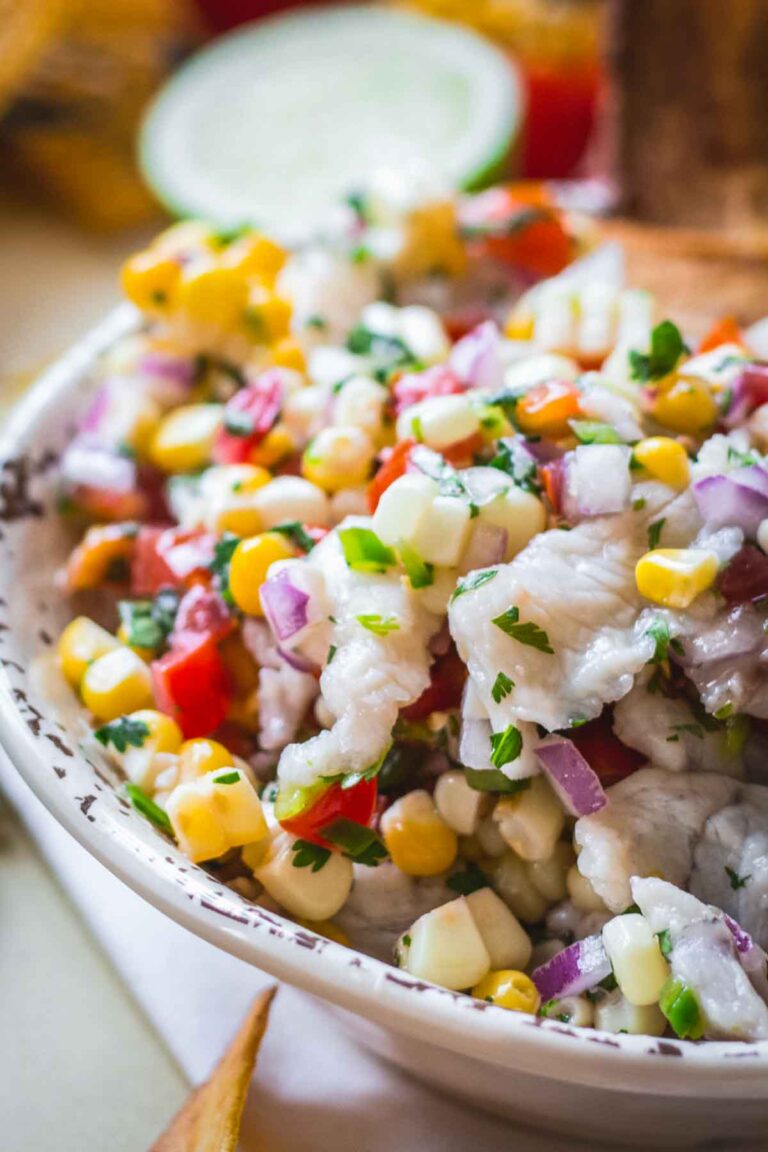
Fish Ceviche With Corn + Tomatoes
This bright, summery ceviche is all about fresh ingredients and keeping things simple. Sweet corn, ripe tomatoes, and citrus let the fish shine without much else. Flounder can be used if it's extremely fresh and from a trusted source. Slice it thin and don't let it sit too long since it's so delicate.
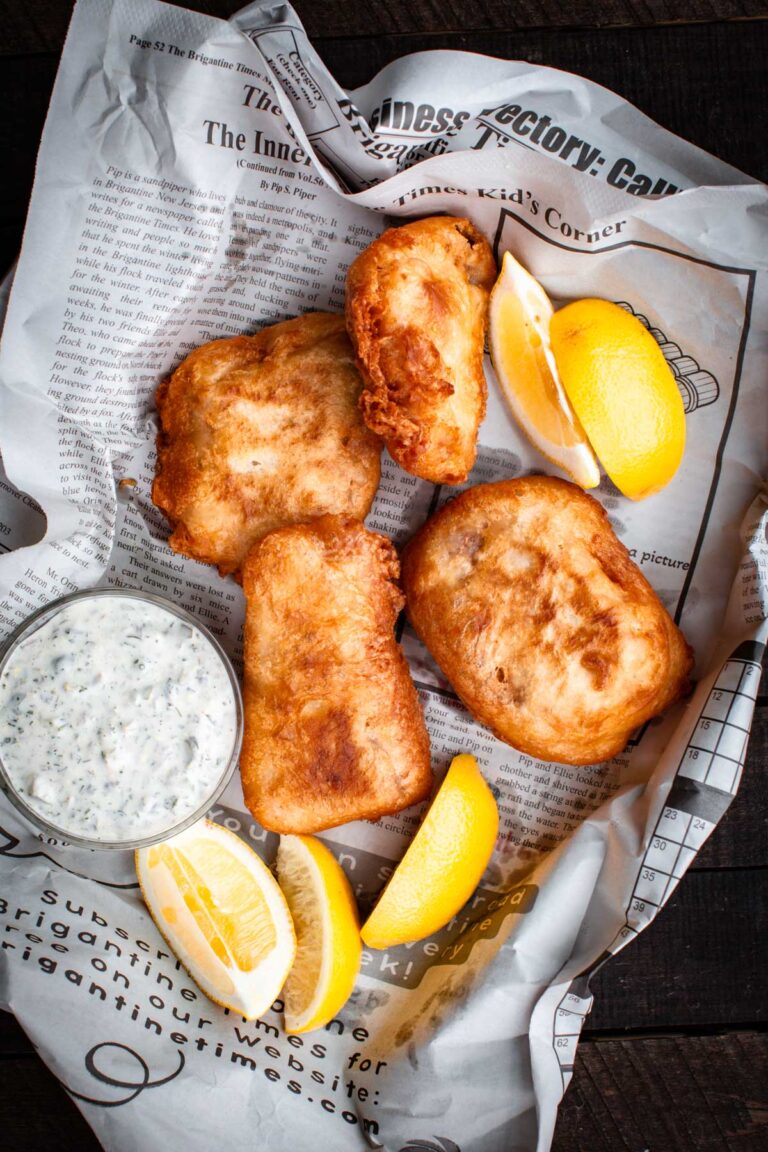
Beer Battered Fish
This beer battered fish is all about a light, crisp coating that fries up golden and airy thanks to the carbonation. It's a classic fish and chips style recipe typically made with thicker, sturdier fillets. Flounder can be used, but since it's more delicate, use smaller pieces and be extra gentle for best results.
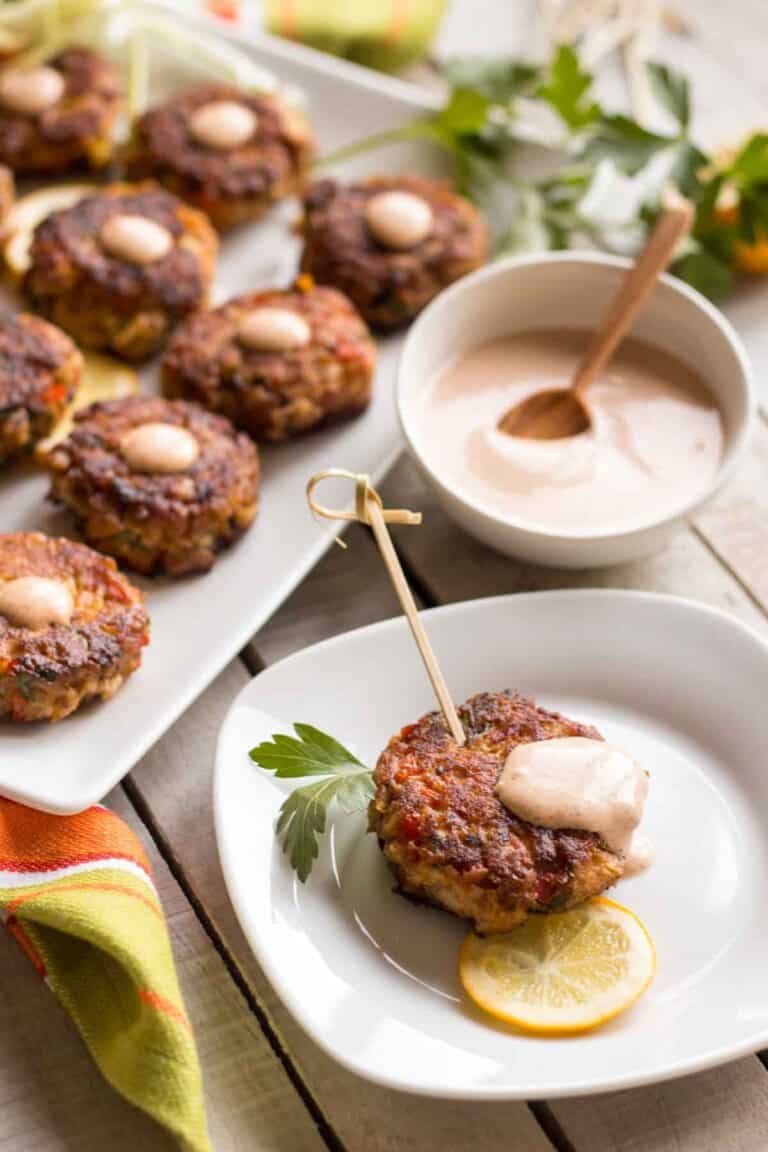
Cajun Style Fish Cakes
These fish cakes take a classic leftover concept and give it a bold Cajun spin. The saltine crackers keep the texture light while the mix of mustard, hot sauce, and aromatics add a lot of flavor. Flounder works here, just be gentle when mixing so it doesn't break down too much.
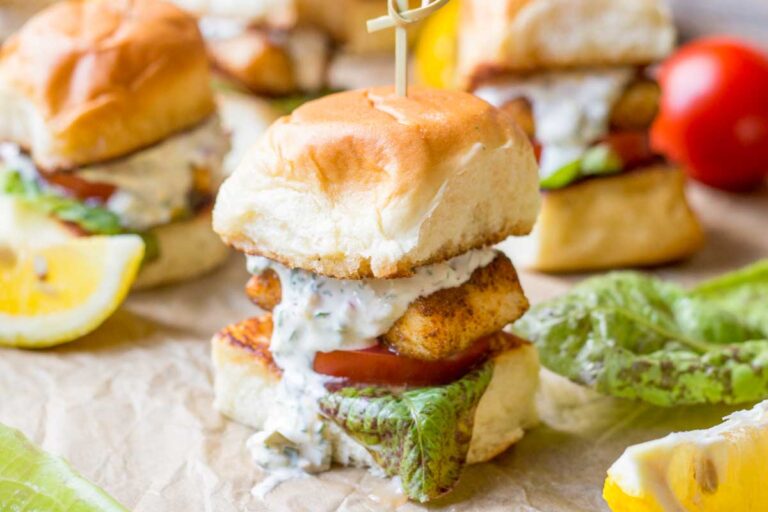
Blackened Fish Sliders
These blackened fish sliders are a fun, crowd-friendly way to serve seafood. The quick sear creates a smoky crust while the inside stays tender, and the soft buns and sauce pull everything together. You can easily use flounder, just cook it quickly so it doesn't overdo it.
Tips for Cooking Flounder Perfectly Every Time
- Always pat fish very dry before cooking. Moisture prevents browning.
- Flounder cooks very quickly, about 1-3 minutes per side depending on thickness. Remove it before it's fully done, as it will continue cooking off of the heat.
- Use a thin fish spatula to handle. Flounder is delicate and can break easily.
- Keep sauces light so the fish doesn't get overpowered.
- You can bake flounder straight from the freezer without defrosting first, but you will need to cook it 5-10 minutes longer depending on thickness.
FAQs
Flounder is done when it turns opaque and flakes easily with a fork. It should feel tender and separate into soft layers without resistance. If using a thermometer, aim for an internal temperature of 145°F.
Simple methods like pan-searing, baking, or broiling work best. Flounder cooks quickly and pairs well with lemon, butter, garlic, and herbs.
Flounder is very delicate, so it can break if it's overcooked or handled too much. Use a fish spatula, don't fuss with it or move it around and cook it just until done.
Cook flounder quickly and don't overdo it. Overcooking is the fastest way to drying it out A little butter, oil, or sauce helps keep it moist and tender.
