
Easy Lemon Butter Fish
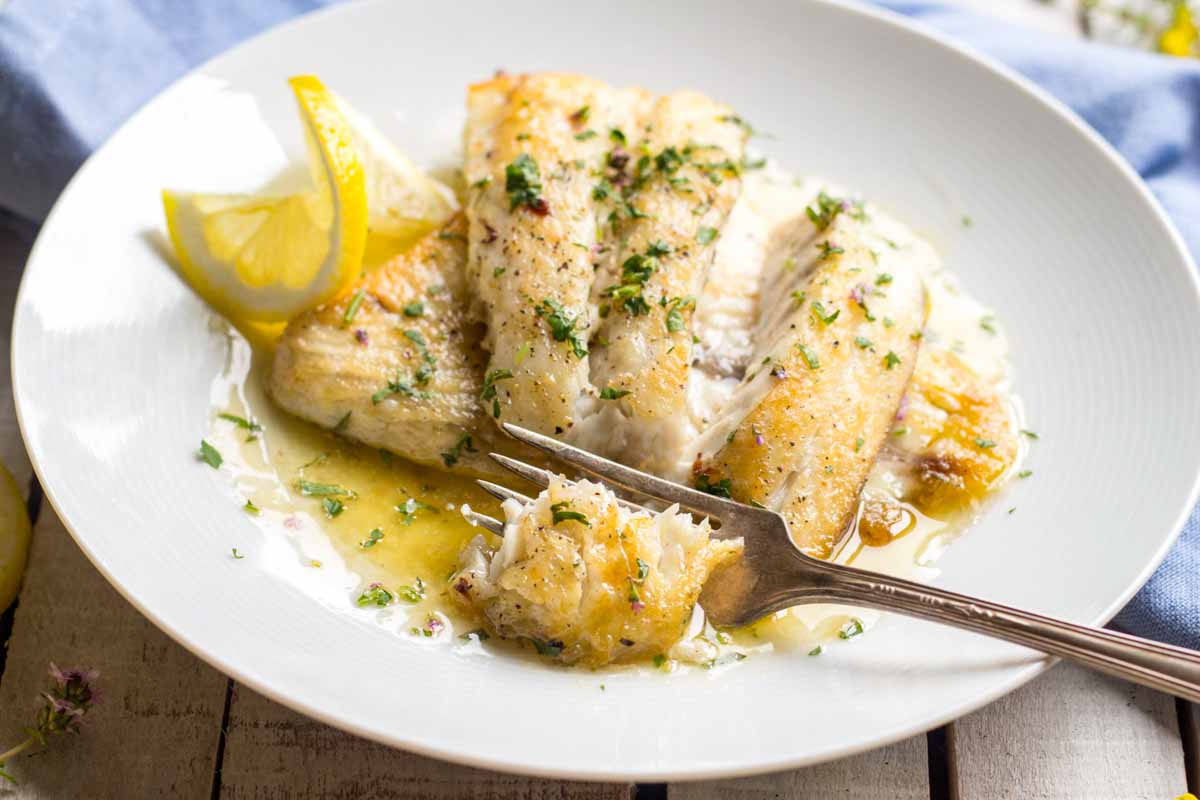
This easy lemon butter fish recipe is one you'll come back to again and again. It uses a simple pan-searing technique that works beautifully with a variety of fish and can be customized with whatever herbs or spices you have on hand. The fish turns out flaky, tender, and perfectly juicy every time, finished with a silky lemon butter sauce that will have you licking the plate clean. It's impressive enough for guests, but comes together in under 30 minutes for a restaurant-quality meal any night of the week!
This post may contain affiliate links.
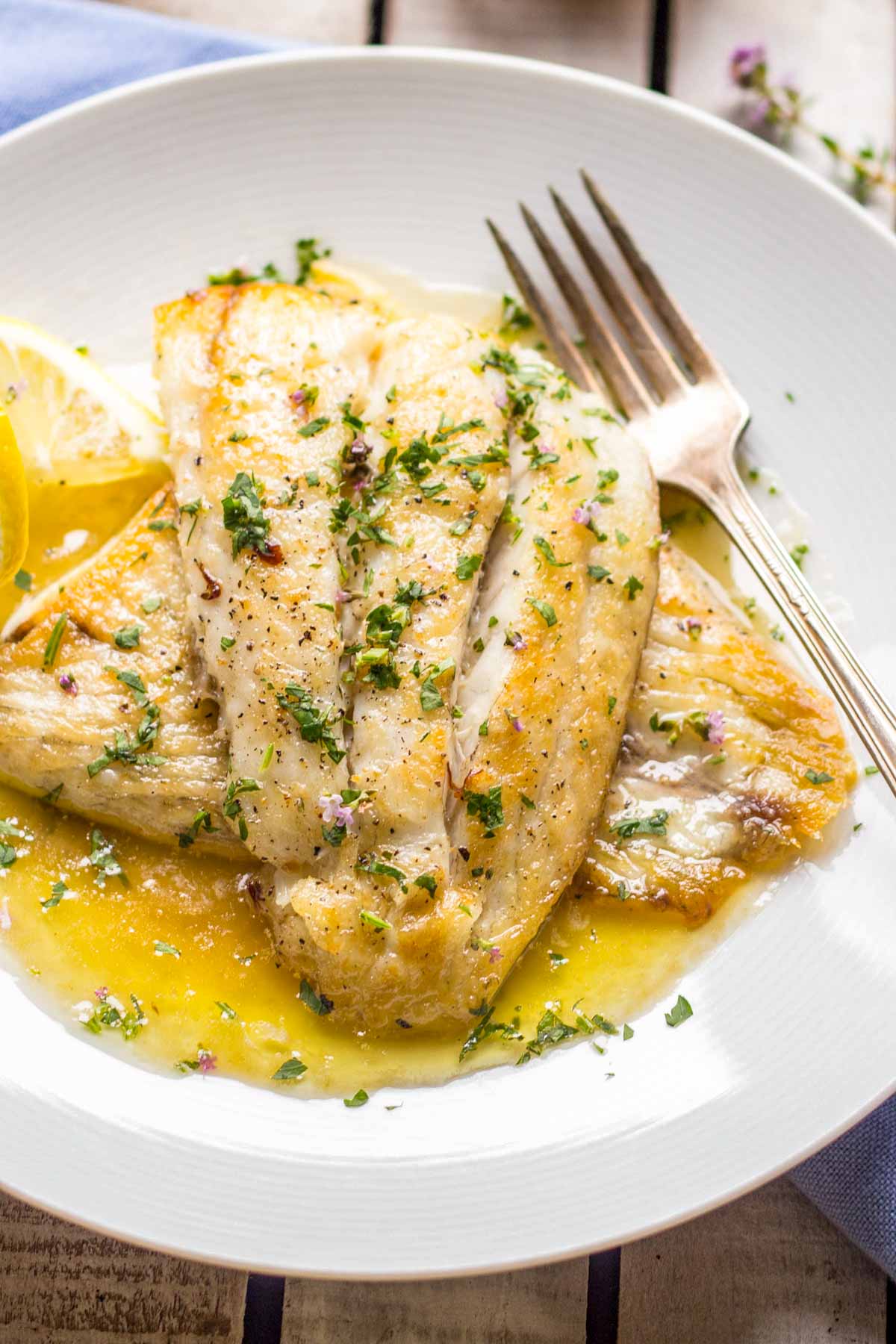
This lemon butter fish is a really simple recipe that all home cooks should know how to make, especially seafood lovers! It follows a basic technique I was taught in culinary school that can be applied to just about any type of fish.
The recipe is really easy to riff on and customize. Once you master the basics, it's a great starting point for adding different spices, herbs and seasonings. You can swap out the lemon for other types of citrus, use shallots instead of garlic, or even add some sautéed veggies to the pan.
The key to making a great butter sauce is to use cold butter and add it at the end of cooking. Keep the heat very low and whisk continually so it emulsifies into a nice, thick glossy sauce.
This lemon butter fish is a great weeknight recipe since it cooks in less than 30 minutes and takes minimal time to prep. But it's also impressive enough to serve at a dinner party or on a holiday, like Christmas Eve as part of the Feast of the Seven Fishes.
Looking for more easy fish recipes? Try my outstanding flounder meuniere, a quick New England fish chowder, or a simple lemon herb baked fish.
Why You'll Love this Lemon Fish Recipe
- Uses simple techniques to create a golden crust, juicy center and a perfectly emulsified lemon butter sauce.
- Easy to riff on with different types of fish, spices and herbs.
- Only six simple ingredients and about 25 minutes needed!
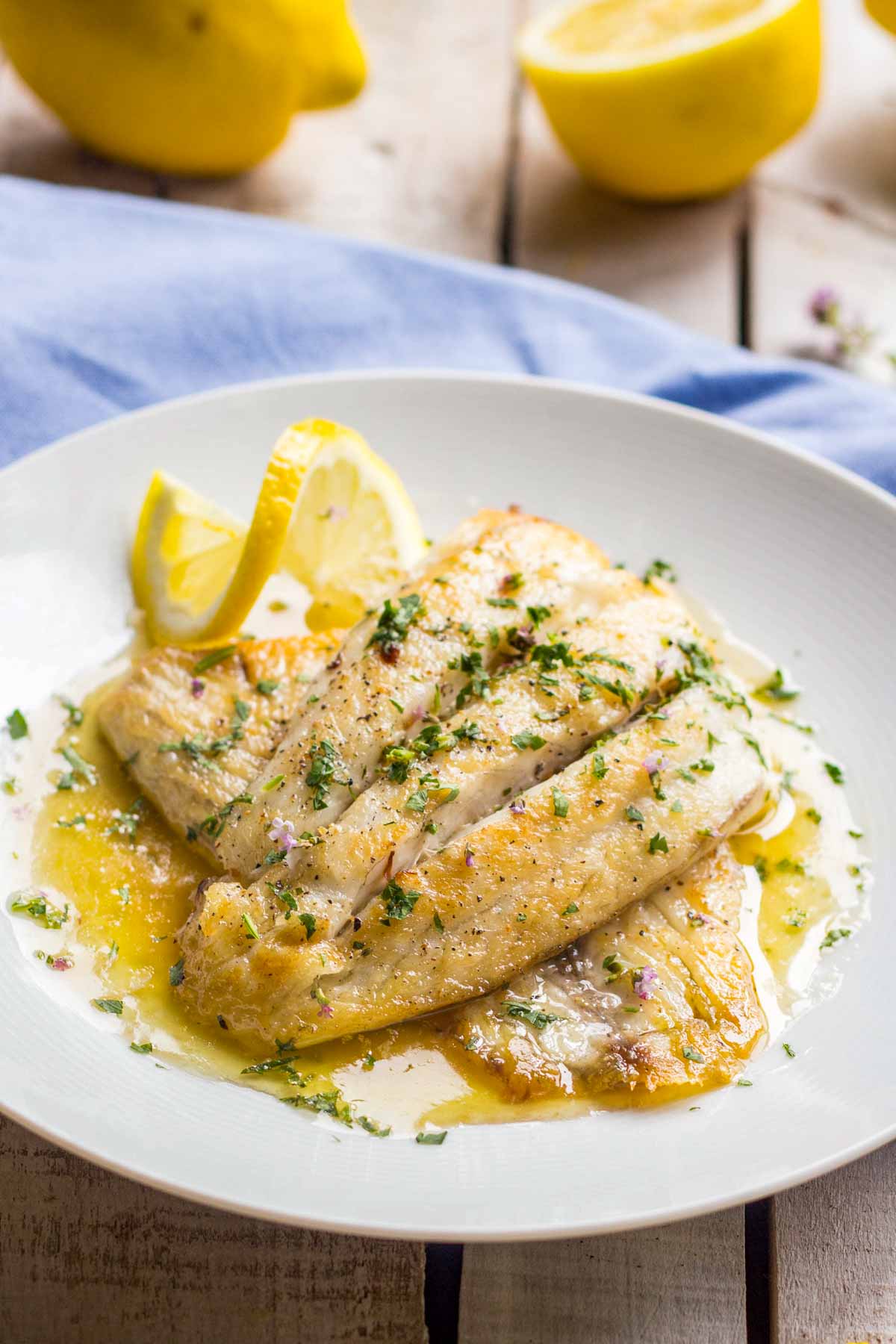
Ingredients Needed for Lemon Butter Fish Recipe
Fish fillets - This recipe calls for white fish fillets, such as cod, barramundi, flounder, halibut, sea bass or haddock, but it can be replaced with almost any kind of fish. Any mild white fish works here, but thicker fillets like halibut, monkfish or Chilean sea bass feel especially luxurious with the butter sauce. Always seek out what's fresh, local and sustainable at your seafood market for the best results.
Garlic - One of the only flavor components of the dish, so don't hold back! Always use fresh garlic cloves, not jarred pre-chopped garlic or garlic powder, and make sure it doesn't brown to avoid bitterness.
Lemon - Lemon juice is used to add acidity and balance the richness of the butter. Always use freshly squeezed lemon juice, not bottled, for the best flavor.
Butter - I prefer using salted butter for this recipe, but unsalted also works. Just adjust the salt as needed. Butter needs to be cold so it doesn't break and emulsifies into the sauce.
Parsley - Finishes the dish with a fresh herbal flavor, but you can skip it if you don't have any. You can also substitute other fresh herbs of your choice to change up the flavor.
Olive oil - I prefer to use extra virgin olive oil, but you can substitute virgin olive oil or a neutral oil instead. Learn more about selecting good olive oils in my guide to Italian olive oils.
*Find the full ingredient list in the recipe card below!
Helpful Equipment
- Paper towels
- Large skillet
- Fish spatula
- Lemon squeezer or juicer
How to Make Lemon Fish
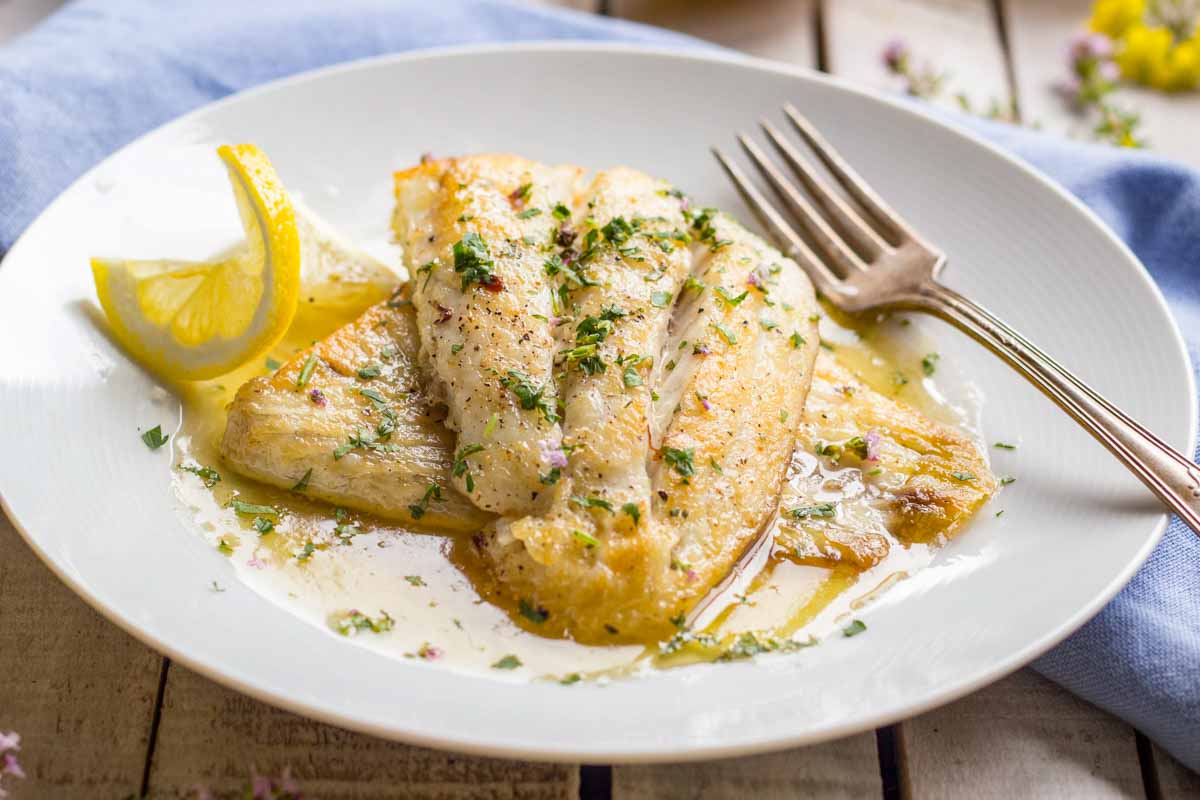
- Pat the fish fillets very dry with paper towels and season generously on both sides with salt and pepper. Let them sit at room temperature while you prepare the rest of your ingredients.
- Heat the olive oil in a large skillet over medium-high heat. When the oil is shimmering, add the fish and cook without moving it until a nice crust forms, about 3-4 minutes. Flip and cook the second side just until the fish is opaque and flakes easily, another 2-3 minutes depending on thickness. Transfer the fish to a plate and set aside.
Pro Tip: You can tell if the fish is done by poking a skewer or toothpick gently into the thickest part of the flesh. If it goes through with no resistance, it's fully cooked. If there's resistance, it needs 1-2 more minutes.
- Lower the heat to medium and add the garlic to the same skillet. Cook for about 30 seconds, just until fragrant, making sure it does not brown.
- Add the lemon juice and let it simmer for 1-2 minutes, scraping up any bits from the bottom of the pan, until it reduces slightly and the flavor mellows.
- Lower the heat to medium-low. Add a few pieces of cold butter and whisk continuously as they melt to start forming a smooth, glossy sauce. Continue adding the butter a little at a time, whisking constantly.
Pro Tip: Keep the heat gentle once the butter goes in. If the pan is too hot, the sauce will break.
- Turn off the heat and whisk in the remaining butter until fully emulsified. If the butter stops melting, turn the heat back on briefly just until it loosens up, then turn it back off. The sauce should look silky, not oily or broken.
- Taste and adjust seasoning with salt and pepper as needed.
- Return the fish to the pan just to warm through, spooning the sauce over the top.
- Transfer to plates, pour extra sauce over the fish and finish with chopped parsley.
Coley's Tips for Success
- The cook time really depends on the type of fish you choose and how thick the fillets are. If using a thermometer, the internal temperature should reach 145°F at the thickest part.
- Make sure your butter is cold and added gradually over very low heat. This is what helps the sauce stay smooth instead of separating.
- If your lemons are very large or very tart, start with a little less juice and add more to taste.
- This is best served right away, but leftovers can be gently reheated over low heat with a splash of water or lemon juice to loosen the sauce.
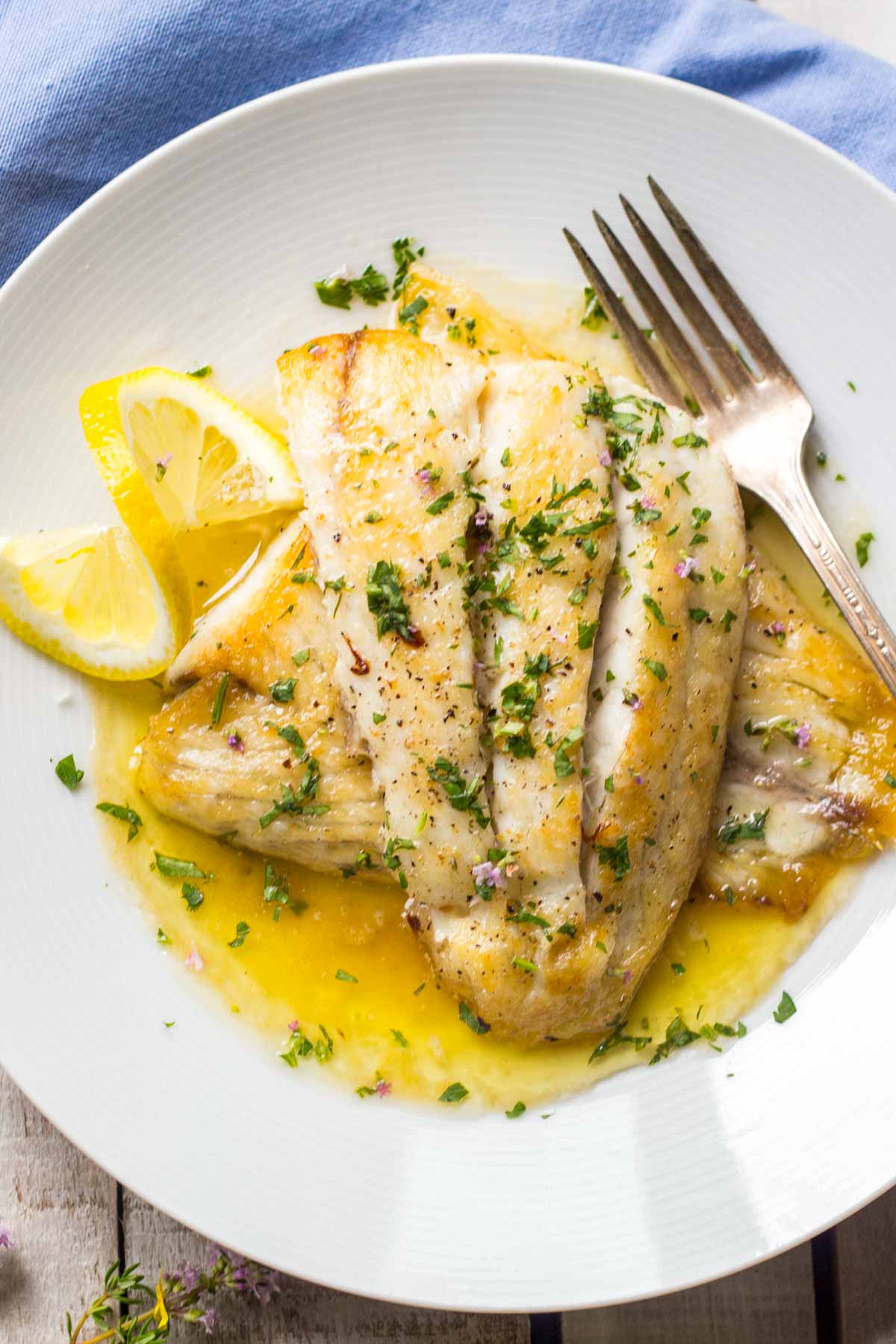
Variations
- Try different kinds of fresh herbs, like cilantro, basil, tarragon, rosemary or thyme.
- Swap out the lemon for other types of citrus, like Meyer lemons, lime, grapefruit or orange, or add a splash of white wine if you have an open bottle.
- Add some minced shallots to the pan along with the garlic for even more flavor.
- Throw in a handful of cherry tomatoes, capers, artichoke hearts or roasted red peppers to the sauce for extra interest.
- Try using a richer, fattier fish like Pacific salmon or yellowfin tuna. You can cook these slightly less than you would a white fish, as they can be served medium-rare if you prefer.
Serving Suggestions for Lemon Fish
Serve this simple lemon fish recipe with a few delicious sides, like my creamy parmesan polenta, some classic green beans almondine or this super easy spinach with butter and parmesan.
If you'd like to try a different sauce with your pan-seared fish, I suggest this classic beurre blanc recipe, which is a French white wine butter sauce. For something lighter, try this lemony Sicilian salmoriglio sauce or a slightly more complex Italian salsa verde.
How to Store Lemon Butter Fish
If possible, store the fish fillets separate from the sauce in airtight containers for up to 3 days. To reheat, place the fish in a baking dish or sheet pan, add a drizzle of olive oil or water, cover with foil, and warm up in a 300°F oven for about 10-15 minutes.
Meanwhile, reheat the lemon butter sauce gently over very low heat, whisking constantly to prevent the butter from separating. Add a splash of lemon juice or warm water to the pan to help re-emulsify the sauce and restore its silky texture.
You can also repurpose any leftover fish into delicious Cajun fish cakes or mashed potato fish cakes!
Lemon Fish Recipe FAQs
The fish itself is cooked in a skillet with a bit of olive oil, making it a very light protein. However, the lemon sauce contains a decent amount of butter, making the overall dish a slightly less healthy but still perfectly acceptable within a balanced diet.
This technique works for most kinds of fish, so use whatever is fresh and in season, preferably local and sustainable. Thick fillets of halibut or sea bass go great with the lemon butter sauce, but cod, flounder, or haddock all work. You can even make this recipe with richer varieties like mackerel, salmon, and tuna.
You can tell if the fish is ready if it's opaque and flakes easily with a fork. You can also test by poking a skewer gently into the thickest part of the flesh. If it goes through with no resistance, it's fully cooked. If there's resistance, it needs 1-2 more minutes in the pan. If using a thermometer, the internal temperature should reach 145°F at the thickest part.
Yes, this recipe can be made with frozen fish but you'll need to defrost it first for best results. If you don't have access to high-quality fresh seafood, good quality frozen fillets are an excellent option. Shop at a reputable seafood market or online store.




Did you LOVE this recipe? Please leave a star ⭐️ rating and comment and tag your creations @ColeyCooks on Instagram!
Want to Save This Recipe?
Enter your email & I'll send it to your inbox along with my best Thanksgiving ideas and tips.
By submitting this form, you consent to receive emails from Coley Cooks.

Lemon Butter Fish Recipe
Ingredients
- 4 white fish fillets about 5-6 ounces each, such as cod, flounder, halibut, sea bass or haddock
- kosher salt and freshly cracked black pepper
- 2 tablespoons extra virgin olive oil
- 2 cloves garlic very finely minced
- 2 lemons juiced, about ⅓ cup
- 6 tablespoons butter cold, unsalted, cut into pieces
- 2 tablespoons flat leaf parsley finely chopped
Instructions
- Pat the fish fillets very dry with paper towels and season generously on both sides with salt and pepper. Let them sit at room temperature while you prepare the rest of your ingredients.4 white fish fillets, kosher salt and freshly cracked black pepper
- Heat the olive oil in a large skillet over medium-high heat. When the oil is shimmering, add the fish and cook without moving it until a nice crust forms, about 3-4 minutes. Flip and cook the second side just until the fish is opaque and flakes easily, another 2-3 minutes depending on thickness. Remove the fish to a plate and set aside.2 tablespoons extra virgin olive oil
- Lower the heat to medium and add the garlic to the same skillet. Cook for about 30 seconds, just until fragrant, making sure it does not brown.2 cloves garlic
- Add the lemon juice and let it simmer for 1-2 minutes, scraping up any bits from the bottom of the pan, until it reduces slightly and the flavor mellows.2 lemons
- Lower the heat to medium-low. Add a few pieces of cold butter and whisk continuously as they melt to start forming a smooth, glossy sauce. Continue adding the butter a little at a time, whisking constantly.6 tablespoons butter
- Turn off the heat and whisk in the remaining butter until fully emulsified. If the butter stops melting, turn the heat back on briefly just until it loosens up, then turn it back off. The sauce should look silky, not oily or broken.
- Taste and adjust seasoning with salt and pepper as needed.
- Return the fish to the pan just to warm through, spooning the sauce over the top.
- Transfer to plates, pour extra sauce over the fish and finish with chopped parsley.2 tablespoons flat leaf parsley
Notes
- The cook time really depends on the type of fish you choose and how thick the fillets are. If using a thermometer, the internal temperature should reach 145°F at the thickest part.
- You can tell if the fish is done by poking a skewer or toothpick gently into the thickest part of the flesh. If it goes through with no resistance, it's fully cooked. If there's resistance, it needs one or two more minutes.
- Make sure your butter is cold and added gradually over very low heat. This is what helps the sauce stay smooth instead of separating.
- Keep the heat gentle once the butter goes in. If the pan is too hot, the sauce will break.
- If your lemons are very large or very tart, start with a little less juice and add more to taste.
- This is best served right away, but leftovers can be gently reheated over low heat with a splash of water or lemon juice to loosen the sauce.





Your recipes never disappoint! They always turn out spectacular! This was wonderful! We used halibut - they were thick, so took a bit longer to cook. We made an asparagus almondine to go with - so added shallots to both. I love recipes that don't require a bunch of ingredients from the store. I had all but the fish. TSo, so good! Thank you!
Amazing! I'm so glad you enjoyed this recipe and found it easy to prepare. Thanks so much for taking the time to leave a review!
I haven’t tried recipe but it reads as extremely similar to your flounder meunière recipe? Can you contrast them for me?
Sure thing! They are certainly similar, but Meunière has a few things that makes it different. For one, the fish is dredged in flour before sautéing, but in this recipe it's seared directly in the pan without any coating. The main difference, though, is that in meunière relies on browning the butter for the sauce, whereas this recipe uses a technique to emulsify the butter into the sauce. Different flavor and consistency. This recipe also includes garlic, which meunière traditionally does not. Hope this helps!