
Classic Homemade Vinaigrette
Once you learn how to make a homemade vinaigrette, there's no going back to store-bought. It's so simple, but it makes any salad taste like something you actually want to eat. With just a few basic ingredients and 5 minutes you can make a delicious salad dressing that will keep in your fridge for weeks!
This post may contain affiliate links.
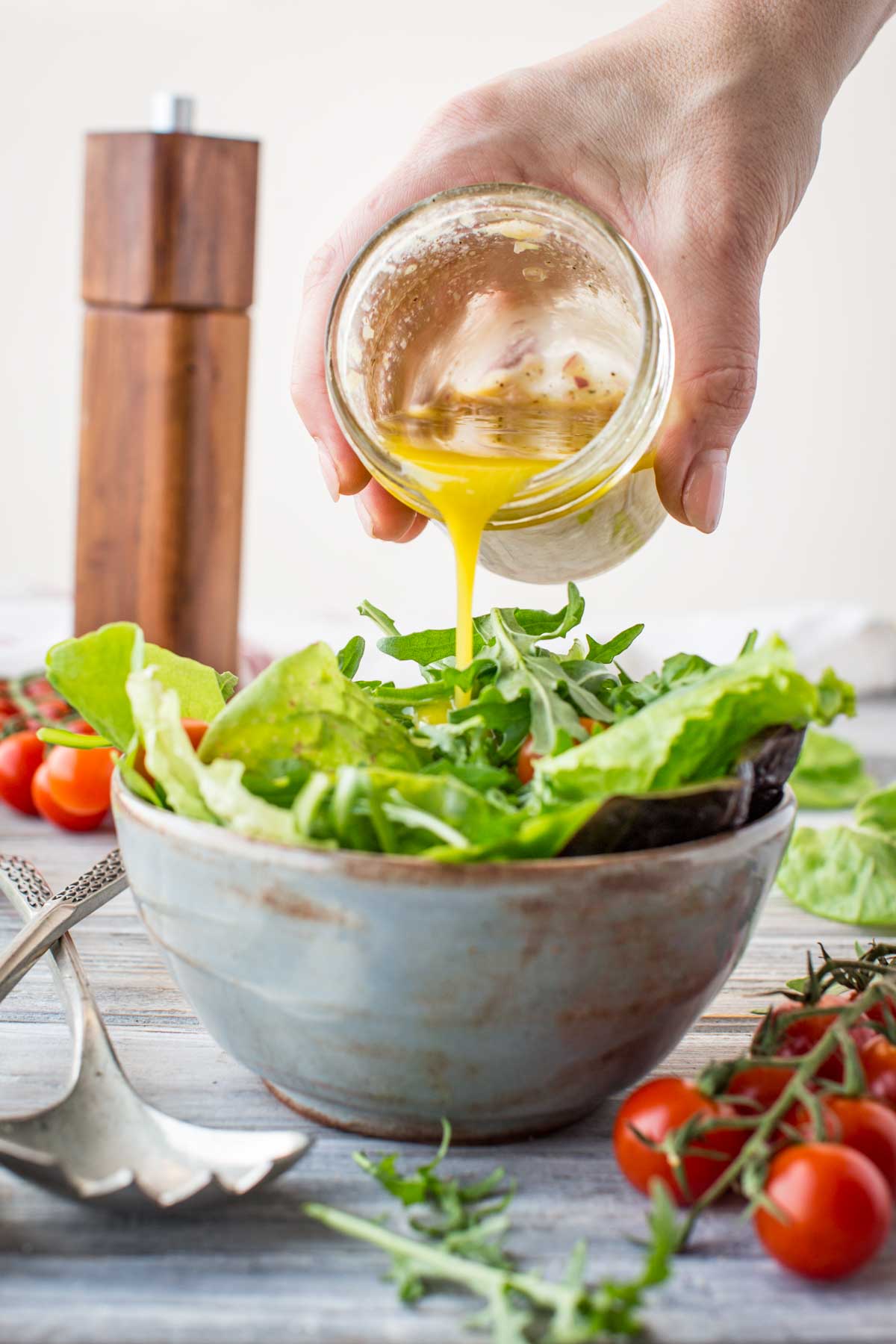
I've been cooking from scratch for so long that there are certain things I just assume everyone else makes from scratch, too. Like salad dressings!
Over the years, I've noticed that lots of people still use store-bought dressings. Why? Taste? Convenience? Health?
It pains me to see people buy store-bought options because it's one of the easiest things to make at home and tastes significantly better.
Plus, you get to control the ingredients, so you can customize it to your personal tastes while avoiding all the nasty preservatives, added sugars, and artificial ingredients lurking in the bottled stuff.
Once you master this basic vinaigrette recipe, you can adjust it to your taste and play around with the ingredients to take on all kinds of different flavor profiles. I'll walk you through the possibilities below!
Want more vibrant sauces and homemade salad dressing recipes? Try my bright and punchy salsa verde, this lemony Sicilian salmoriglio or this authentic spicy Creole remoulade sauce.
Why You'll Love This Homemade Vinaigrette Dressing
- It's quicker to make than a trip to the store!
- Endlessly adaptable with pantry staples and simple ingredients.
- The ideal ratio of oil to acid creates a dressing with bright, yet balanced flavors.
- It keeps well in the fridge, making it a great option for meal prep and salad bowls throughout the week.
Vinaigrette Recipe Ingredients
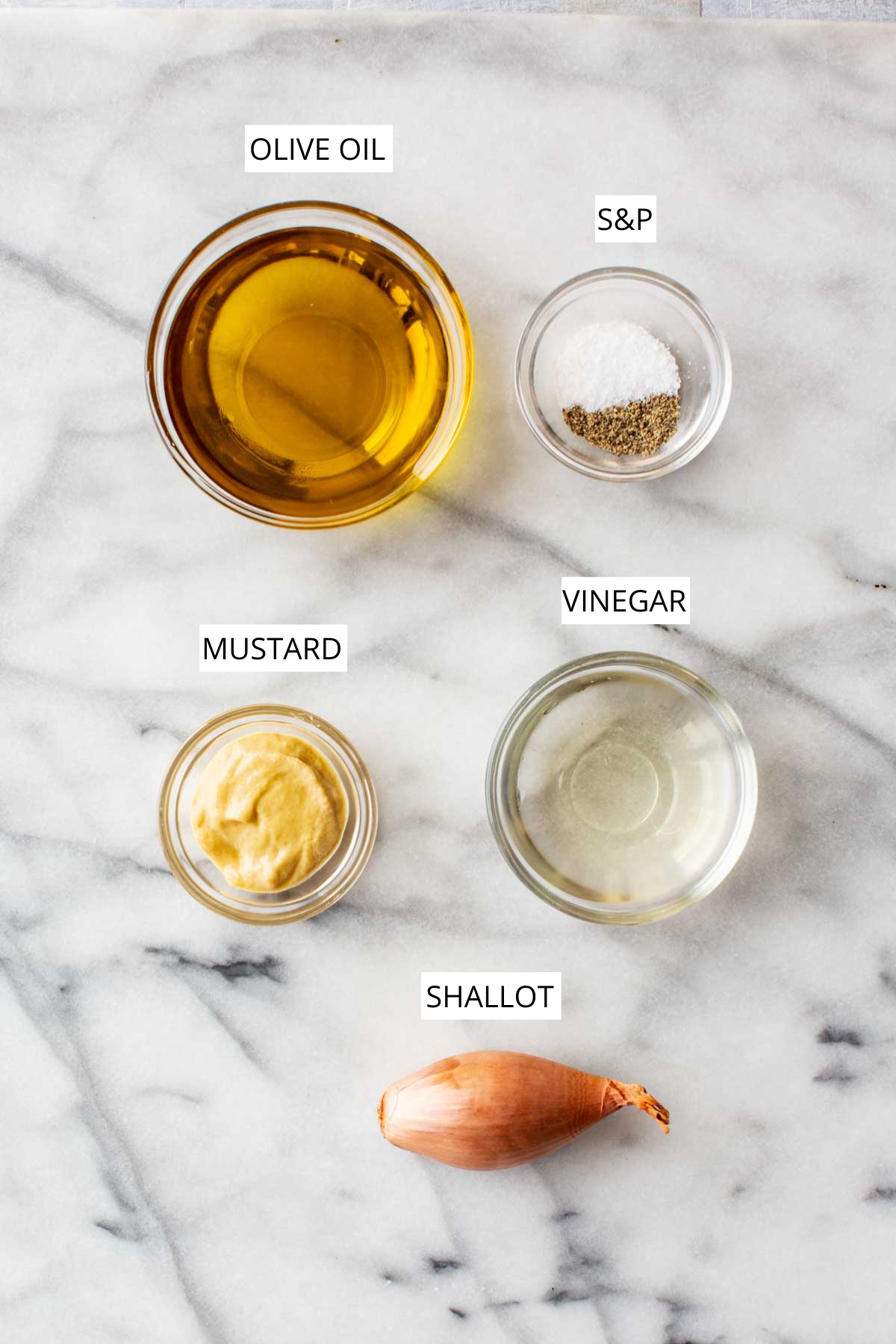
- Extra virgin olive oil - This is the base of the vinaigrette, so use the best quality you can find. For more info on choosing the right oil, check out my guide to Italian olive oils and vinegar.
- Vinegar - You can use different vinegars, like red wine vinegar, apple cider vinegar, white wine vinegar, or even sherry vinegar, depending on the flavor profile you're going for. Each one lends a different kind of acidity, from bright and fruity to mellow and nutty.
- Dijon mustard - Acts as an emulsifier to help the oil and vinegar blend together. It also adds sharpness and depth, especially in a classic French vinaigrette.
- Shallot - Finely minced shallot adds a mellow onion flavor and softens once mixed with the acid.
- Honey (Optional) - A touch of sweetness helps balance the acidity. You can substitute maple syrup, agave nectar or sugar if you prefer.
- Salt and pepper - Use sea salt or kosher salt and freshly cracked black pepper to season the dressing to your liking.
*Find the full ingredient list in the recipe card below!
Helpful Equipment
- Mixing bowl
- Whisk
- Mason jar
- Chef's knife
- Cutting board
- Measuring spoons
- Liquid measuring cup
How to Make Vinaigrette Dressing
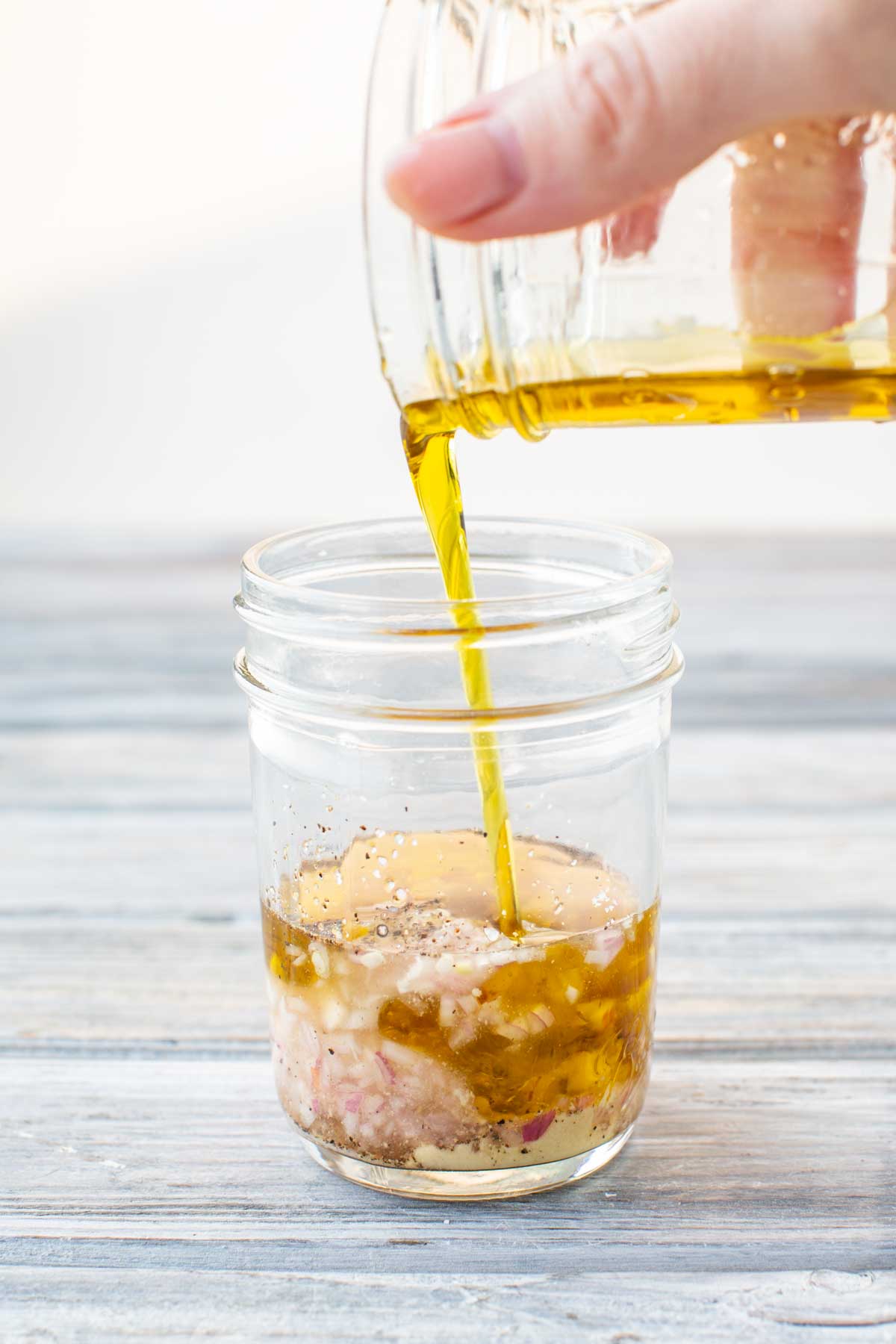
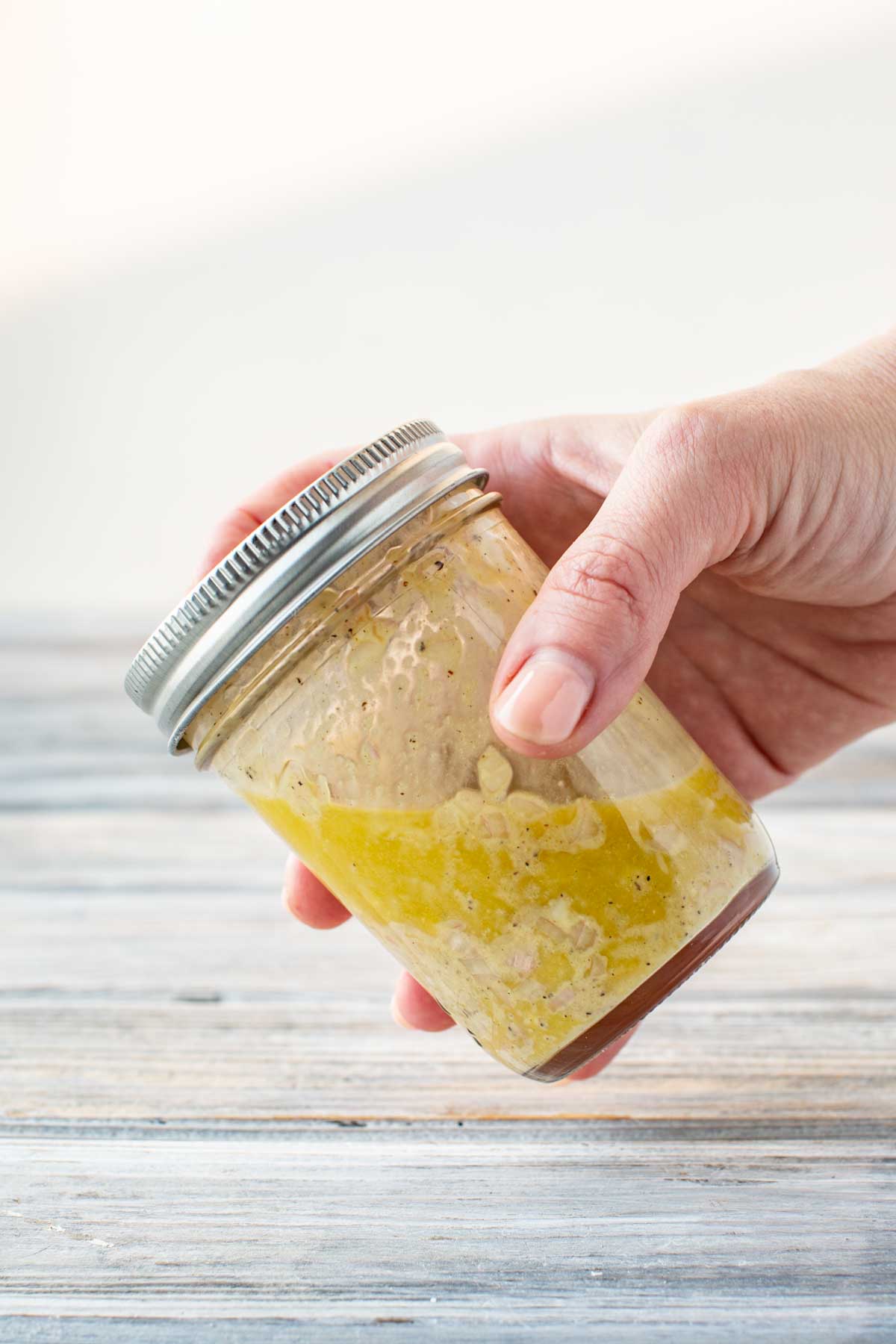
- Whisk together the minced shallot, Dijon mustard, honey, and your vinegar of choice in a mixing bowl. Season with sea salt and black pepper to taste.
- In a steady stream, slowly drizzle in the extra-virgin olive oil, whisking vigorously the entire time until the dressing becomes emulsified and smooth.
Pro Tip: To save on dishes, add all of the ingredients to a mason jar and shake until well combined. You can also make this in a blender or food processor for a smoother dressing.
- Taste the vinaigrette and adjust as needed. Add more salt, pepper, a pinch of red pepper flakes, or a bit more honey or vinegar depending on the tart flavor you're after.
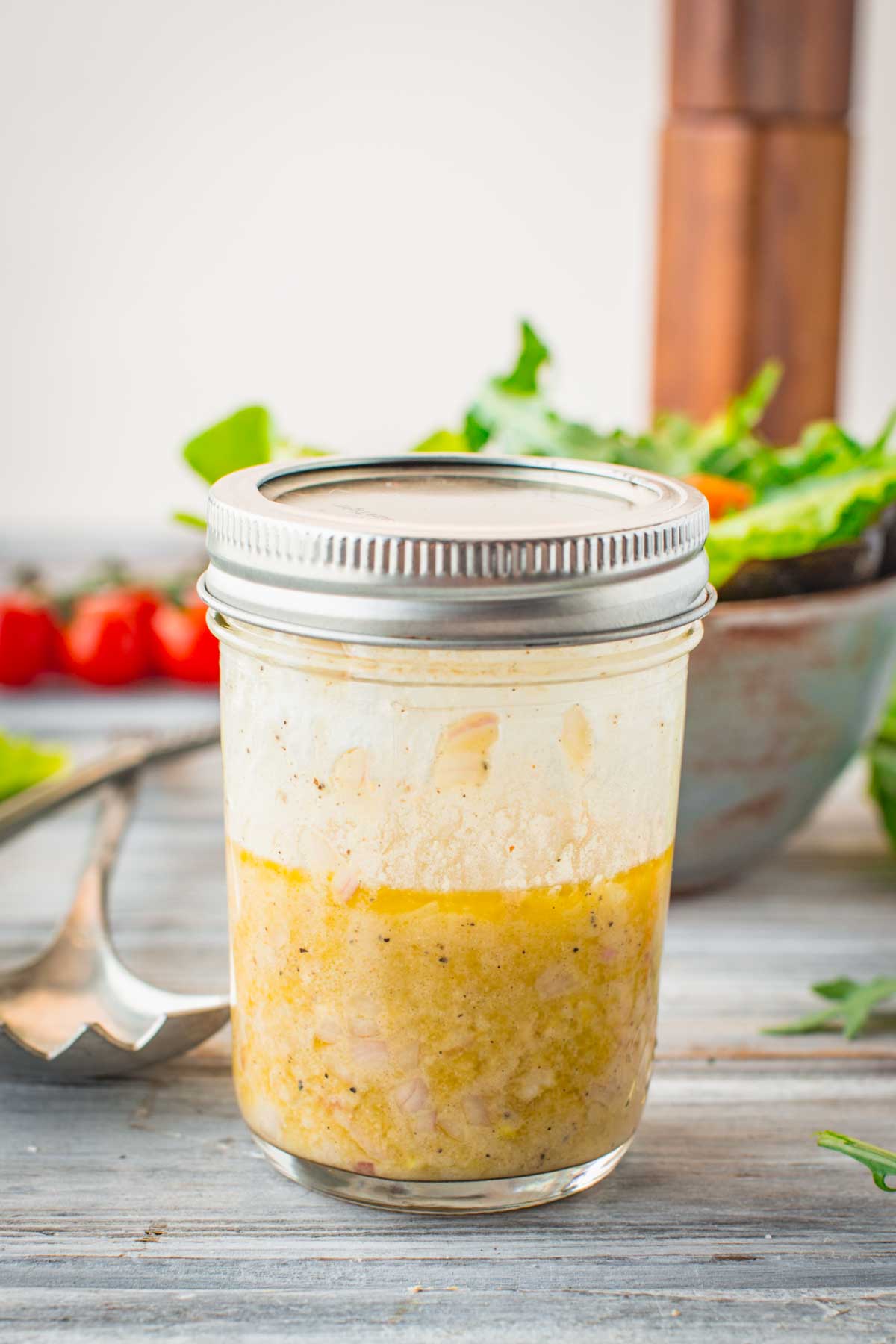
- Transfer to a mason jar or resealable container and refrigerate. Shake well before each use.
Pro Tip: The ideal ratio is about 3 parts oil to 1 part acid, but you can adjust to suit your personal tastes. Add a splash of citrus juice, like lime juice or orange juice, for extra brightness.

Best Vinaigrette Recipe Tips
- Always mix your dressing at room temperature. Cold oil won't emulsify properly.
- Finely mince the shallot to avoid overpowering bites. Let it sit in the acid for a few minutes to mellow out.
- Mix everything in a blender for a smooth, pureed version.
- If the dressing separates in the fridge, just give it a good shake before using.
- Use neutral oil like grapeseed oil, vegetable oil, or avocado oil for a more mild-flavored vinegar-based dressing.
- Scale up for larger batches and store in the fridge for easy use all week.
10 Unique Vinaigrette Variations
- Asian Vinaigrette - Add ginger, garlic, soy sauce, rice vinegar, and a splash of sesame oil.
- Citrus Vinaigrette - Use orange juice, lemon zest, and lime juice in place of vinegar for a citrusy twist.
- Apple Vinaigrette - Try apple cider vinegar, honey, and whole grain mustard.
- Greek Vinaigrette - Use red wine vinegar, fresh garlic, oregano, and fresh lemon juice for Mediterranean flavor.
- Italian Vinaigrette - Mix in garlic powder, oregano, thyme, and onion powder for a zesty Italian-style option.
- Spanish Vinaigrette - Go bold with sherry vinegar, smoked paprika, and honey.
- Bacon Vinaigrette - Swap the oil for bacon fat and pair with white wine vinegar-perfect for kale salads or potato salad.
- Balsamic Vinaigrette - A rich balsamic dressing that's great for green salads or tomatoes.
- Creamy Dressing - Stir in a spoonful of mayo, yogurt, or sour cream for a creamy dressing twist.
- Herb Vinaigrette - Mix in some fresh minced parsley, chives, tarragon, or dill add brightness. Dried herbs or even a sprinkle of Italian seasoning also work in a pinch.
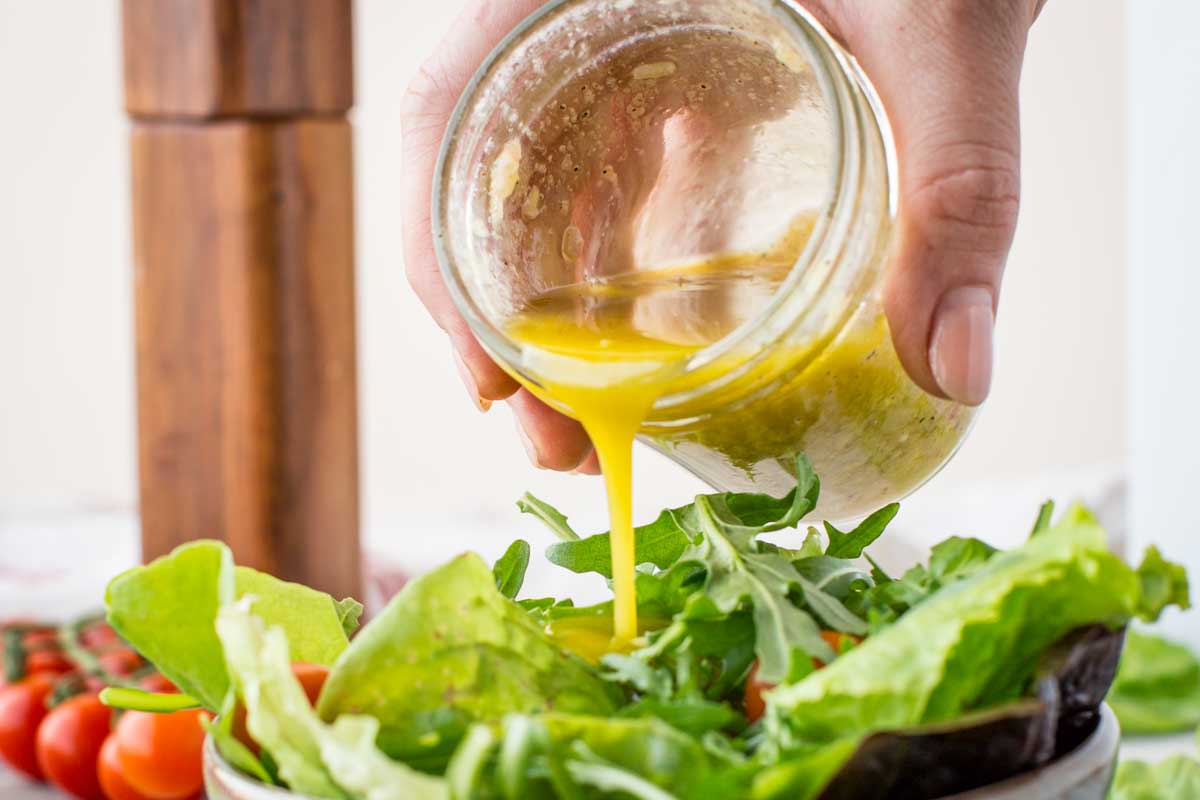
Serving Suggestions
This classic vinaigrette salad dressing recipe is a no-brainer for nearly every type of salad. Use it on a simple green salad, a peppery arugula salad, or anything with goat cheese, roasted vegetables, or even grilled meats.
Try it drizzled over a charred and smoky grilled romaine wedge salad, a bistro-style lyonnaise salad, or this hearty Brussels sproutos, apple and kale salad.
It's also great with this fall harvest kale salad or a lemony kale and blueberry salad.
How to Store Homemade Vinaigrette
Store your homemade dressing in a mason jar or any airtight container in the refrigerator for up to 2 weeks. The oil may solidify slightly, so let it sit at room temperature for a few minutes before shaking and using again.
You can freeze it for longer storage, but it will alter the texture slightly. This vinegar dressing is best made fresh or stored short-term.
Frequently Asked Questions
The ideal ratio is typically 3 parts oil to 1 part vinegar (or part acid), but you can adjust based on how tangy you like it.
Absolutely. Minced fresh garlic is a good option for adding a punchier flavor, while the shallot gives a more subtle sweetness. Make this your own vinaigrette!
Separation is normal. Whisk it again or give it a good shake in a mason jar before serving. Using Dijon mustard helps it emulsify better.
A high-quality extra virgin olive oil adds great flavor. For more neutral results, try avocado oil, vegetable oil, or grapeseed oil.
Yes! Maple syrup is a great substitute that adds a bit of depth and is especially nice in fall-inspired vinaigrette recipes. You can also use plain white sugar or agave syrup.
That depends on the flavor profile you're going for. This recipe uses white wine vinegar, but a red wine vinaigrette delivers bold flavors that pair well with robust greens, while white balsamic vinegar is smoother and slightly sweet, perfect for a more flavorful dressing. For something crisp and elegant, champagne vinegar is a great choice. If you're using fresh herbs, try making an herb vinaigrette with white wine vinegar or apple cider vinegar. For bright, zippy salads, a lemon vinaigrette recipe using fresh lemon juice works beautifully.

Did you LOVE this recipe? Please leave a star ⭐️ rating and comment and tag your creations @ColeyCooks on Instagram!
Want to Save This Recipe?
Enter your email & I'll send it to your inbox.
By submitting this form, you consent to receive emails from Coley Cooks.
Best Vinaigrette Recipe
Ingredients
- 1 small shallot finely minced, about 2 tablespoons
- 2 teaspoons Dijon mustard
- 1 teaspoon honey optional
- 2 tablespoon vinegar white wine, red wine, sherry, apple cider, etc.
- salt and pepper to taste
- ⅓ cup extra virgin olive oil or more, to taste
Instructions
- Whisk together the shallot, mustard, honey and vinegar, then season with salt and pepper to taste.
- Slowly stream in the olive oil, while vigorously whisking, until emulsified. Taste, and adjust as needed.
- Store in a jar or resealable container in the refrigerator for up to two weeks.

I love all the different vinaigrette variations you've provided here.... the Spanish one sounds especially good! 😀
Thanks, Sarah! The Spanish version is soo good, I hope you give it a try!
Such a great guide with so many delicious vinaigrettes to choose from!
Thanks, Sharon! I hope you love them all as much as I do. 🙂
How great is this! I just bookmarked this page for future reference. I've been making my own dressing for a while now, but it is always nice to have some ingredient inspiration. I've got my eye on the Spanish vinaigrette. Thanks for sharing this!
Thanks, Kathryn! I love the Spanish version with grilled meats and potatoes. Yum!
Great minds I just posted my own house vtntigreiae last week. I leave out the garlic and add agave nectar or honey to balance the acid. I like that you also use a high percentage of vinegar to oil.
Awesome!!
Hi! These recipes look great! But also as a heads up, it is not allergy friendly... Mustard can be pretty dangerous, it's a Top 8 allergen everywhere except the US....
Thank you for letting me know! The mustard can always be omitted if it's an issue.