Homemade Blackening Seasoning
Skip the store-bought blends and make your own blackening seasoning at home. This easy recipe combines everyday pantry spices into a bold, flavorful blend that's perfect for blackened shrimp, fish, chicken, and more. It creates that signature smoky crust and packs plenty of Louisiana-inspired flavor, all while giving you complete control over the heat and salt level.
This post may contain affiliate links.
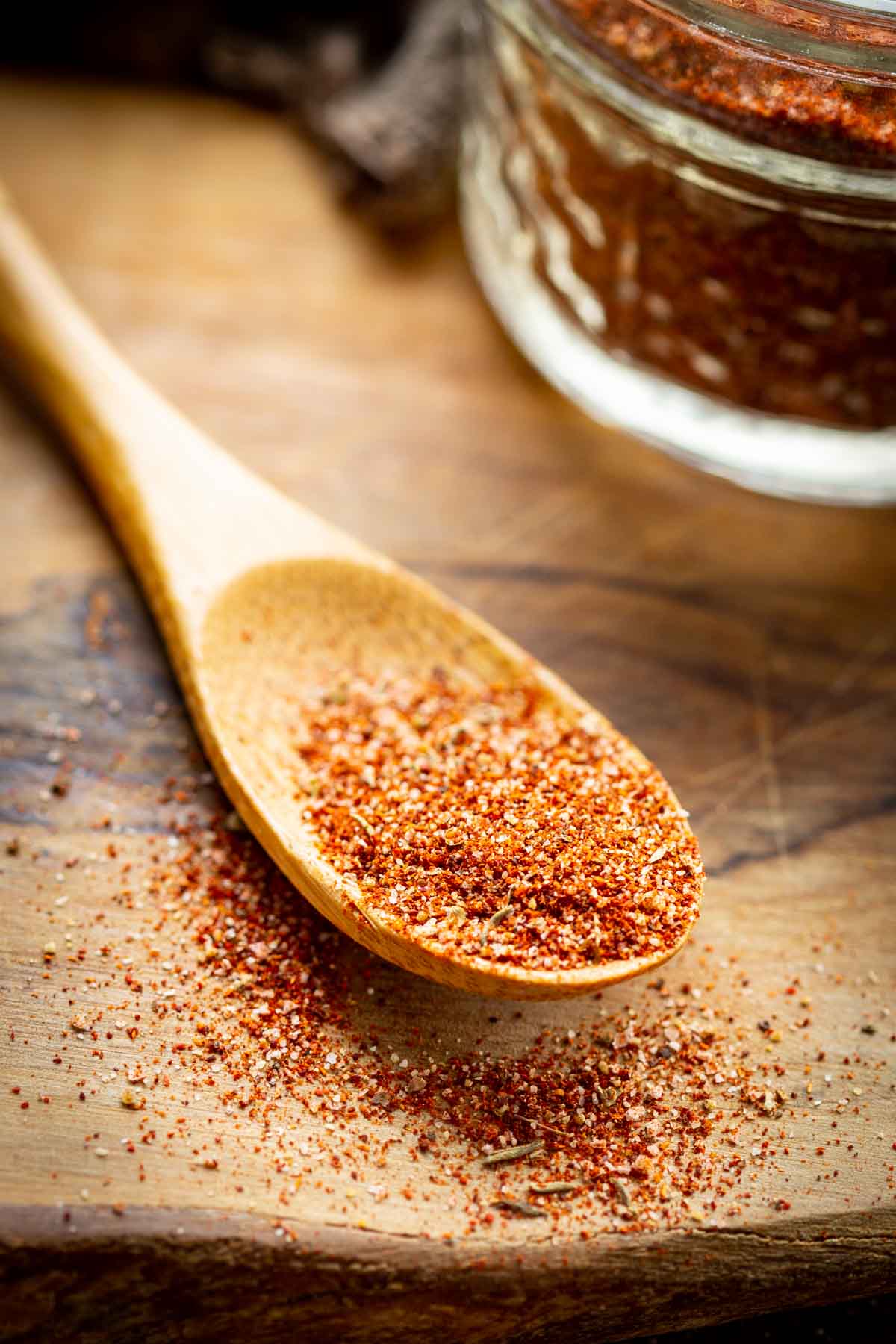
Blackening is a quick and easy way to add tons of flavor to your food, and making your own blackening seasoning blend is worth your time and effort.
Not only is it super simple to mix together, it tastes so much better than anything you can buy at the grocery store.
What is Blackening Seasoning?
Blackening is a cooking technique that originated in Louisiana and became popular in the 80s and 90s courtesy of chef Paul Prudhomme.
It typically involves coating a protein, usually fish or chicken, with melted butter and a flavorful spice blend, then searing it in a hot cast iron pan to form a dark outer crust.
Despite its name, blackening doesn't result in burnt food. The seasoning is specifically designed to withstand the high heat so the spices toast and take on a deeper flavor.
Blackening Seasoning vs Cajun Seasoning
While this recipe shares a lot of ingredients with Cajun and Creole seasoning, it's the specific ratios that set them apart.
Blackening seasoning blends can vary quite a bit, but they're typically more paprika and black pepper dominant, while Cajun seasonings are spicier.
Unlike my Cajun creole seasoning, this recipe contains salt. That's because it needs to be a complete spice blend specifically designed for seasoning proteins, versus the Creole seasoning which can be used in a number of different applications.
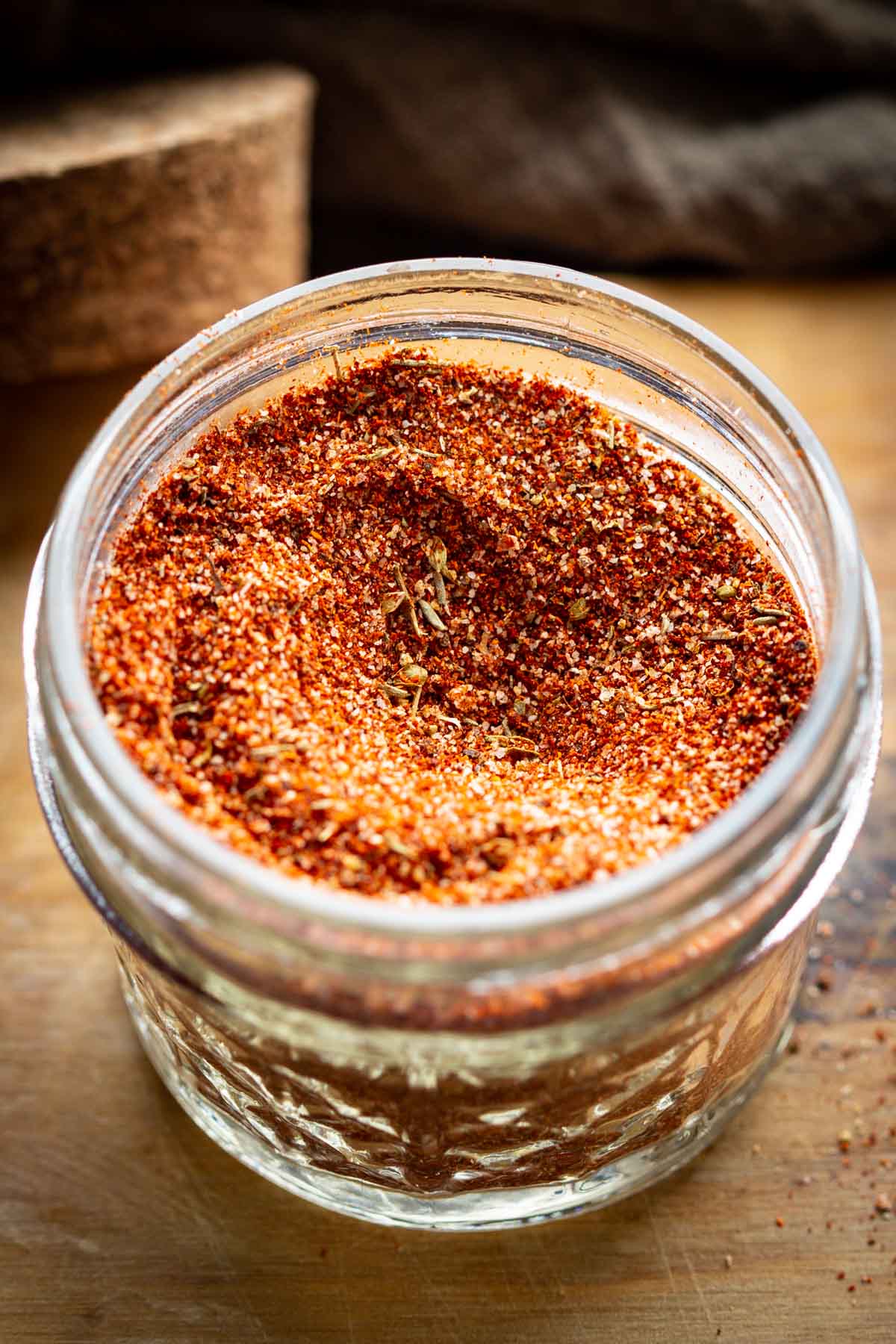
Blackening is traditional in Cajun and Creole cuisine, but has since become popular on menus all over the US. It's a great technique to have in your back pocket since it adds tons of flavor to proteins without needing time to marinate. Hearty vegetables like eggplant, zucchini, cauliflower, and mushrooms are also tasty blackened.
Some blackening spice blends include sugar to increase the browning, but I don't think it's necessary, especially if you're using a super hot pan.
However, if you'd prefer to cook at a more moderate temperature to avoid smoking out your entire house, a pinch of sugar can be helpful to achieve that signature crust.
For more Louisiana-inspired recipes, try some crispy shrimp po boy sandwiches, easy Cajun fish cakes, or buttery New Orleans BBQ shrimp.
Why This Recipe Works
- Comes together in 5 minutes but keeps for up to 6 months.
- Has the perfect balance of spices, but the heat level can be adjusted to taste.
- Makes a quick, easy, and flavorful way to season your favorite proteins.
- Results in that signature deep brown crust and rich, smoky flavor.
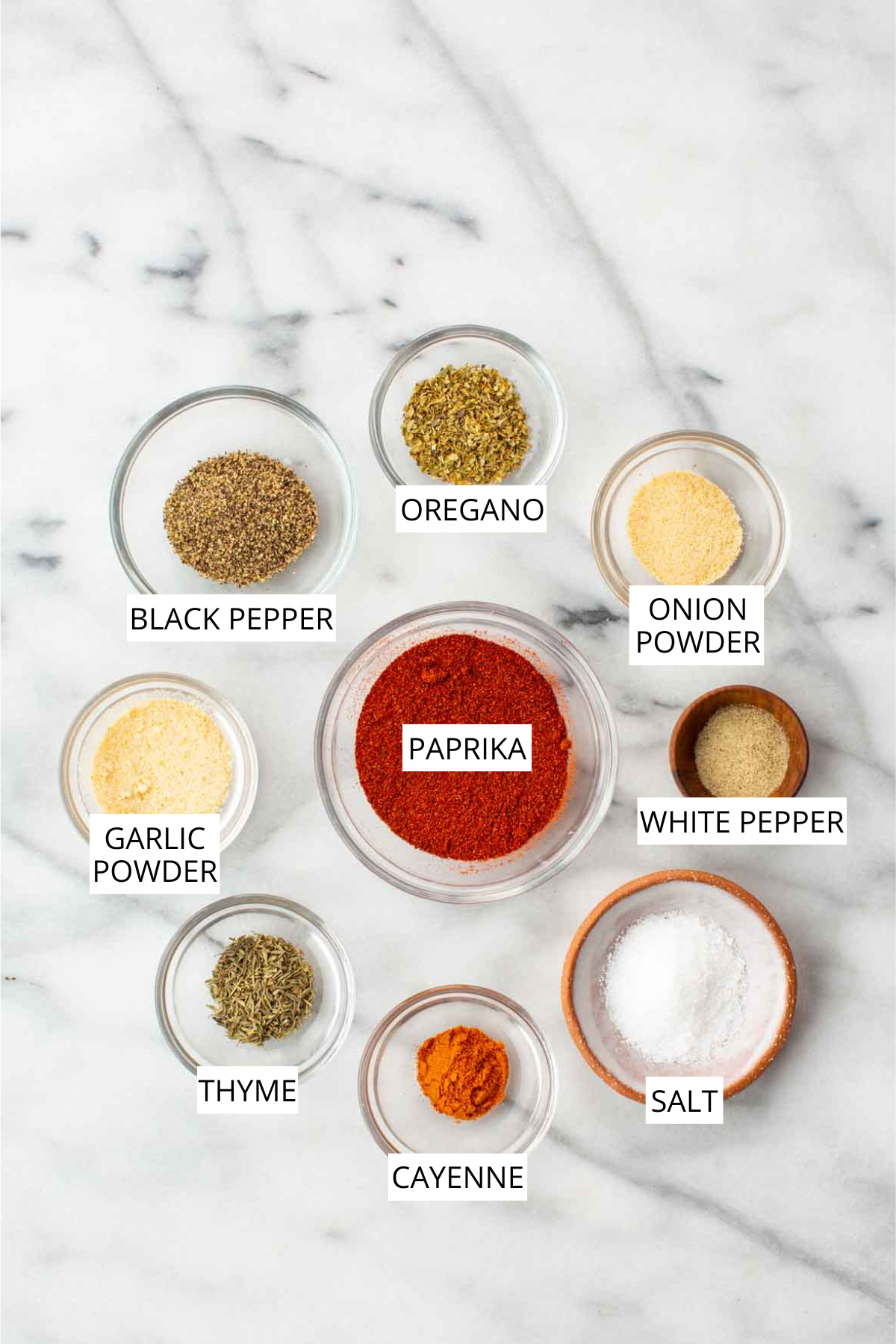
Ingredients Needed for Blackening Seasoning
Paprika - Sweet paprika gives that mild, classic flavor and makes up the bulk of the mix. It's very important to use a good-quality paprika that's fresh and hasn't been sitting in your pantry for years. It really makes a difference!
Black and white pepper - Black pepper gives a fruity, sharp punch, while white pepper is spicier and muskier.
Cayenne - Cayenne pepper gives a moderate heat. Adapt the quantities to suit your taste.
Salt - I use Diamond Crystal Kosher Salt, which is less salty than other kinds, so you may need to adjust your amount.
Onion and garlic powder - Make sure they are fresh and loose for the best results. Avoid any seasonings that have clumped up.
Dried herbs - Dried oregano and thyme provide an earthy, herbal note for added depth.
*Find the full ingredient list in the recipe card below!
Helpful Equipment
- Bowl
- Airtight container
- Measuring spoon
How to Make Blackening Seasoning
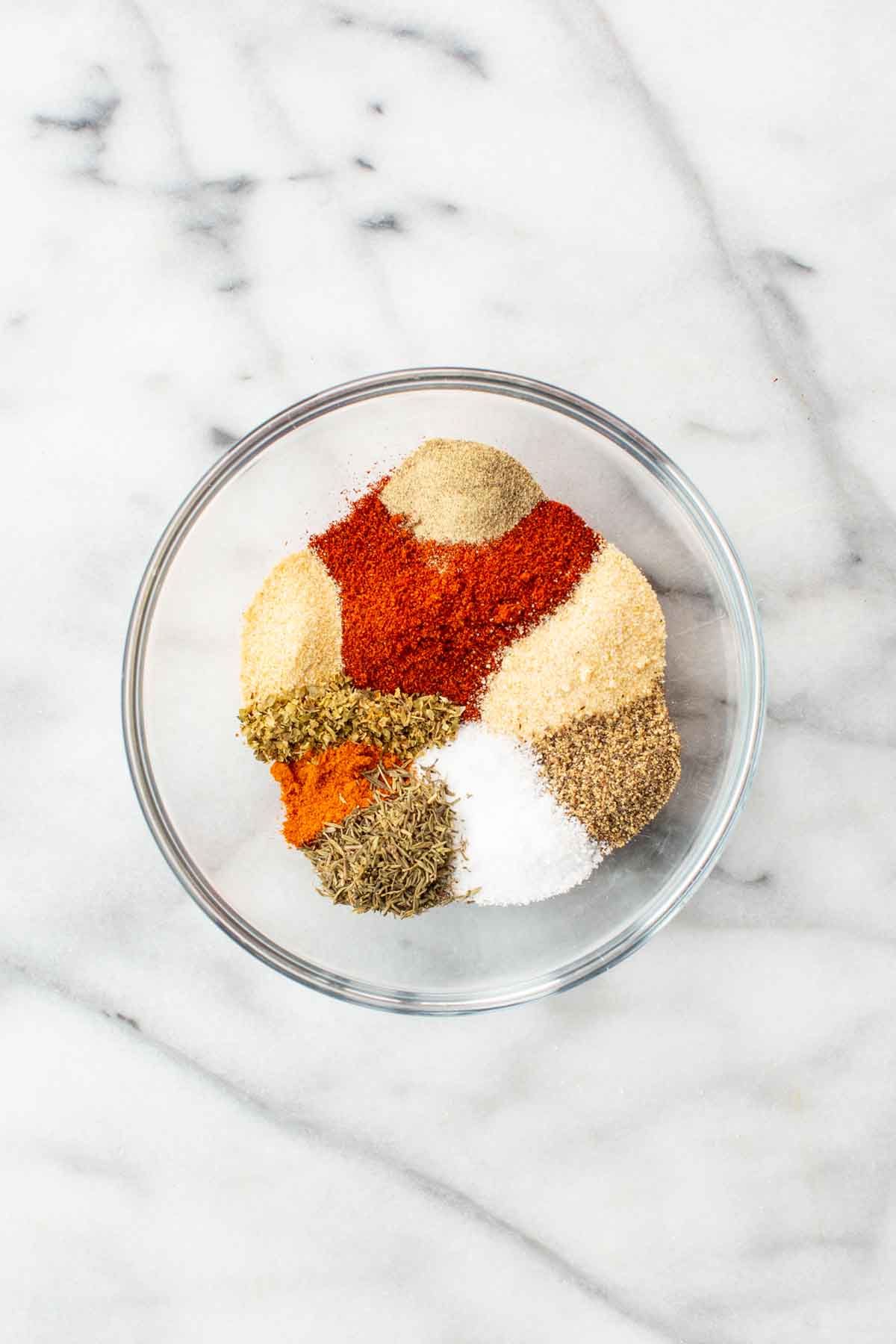
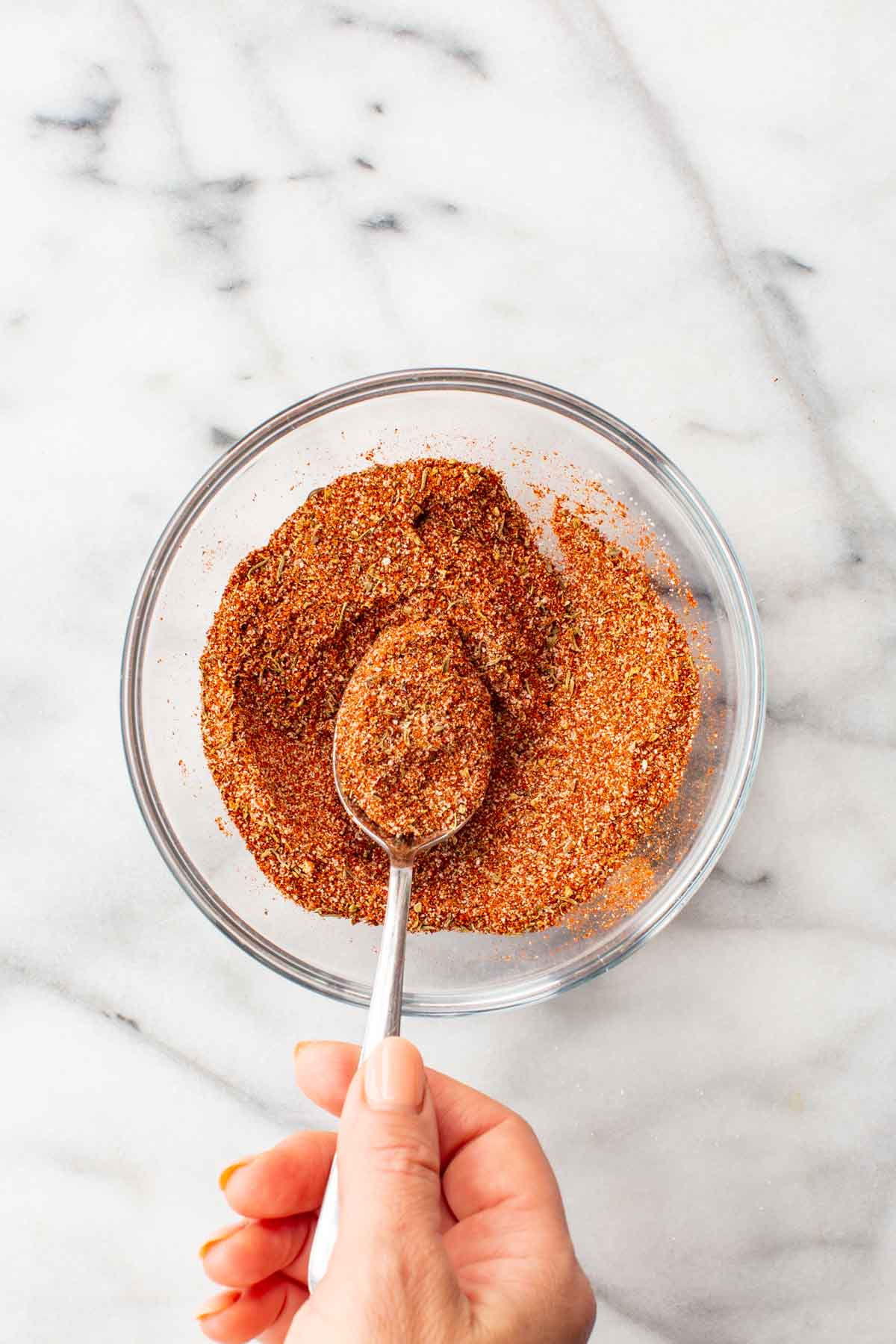
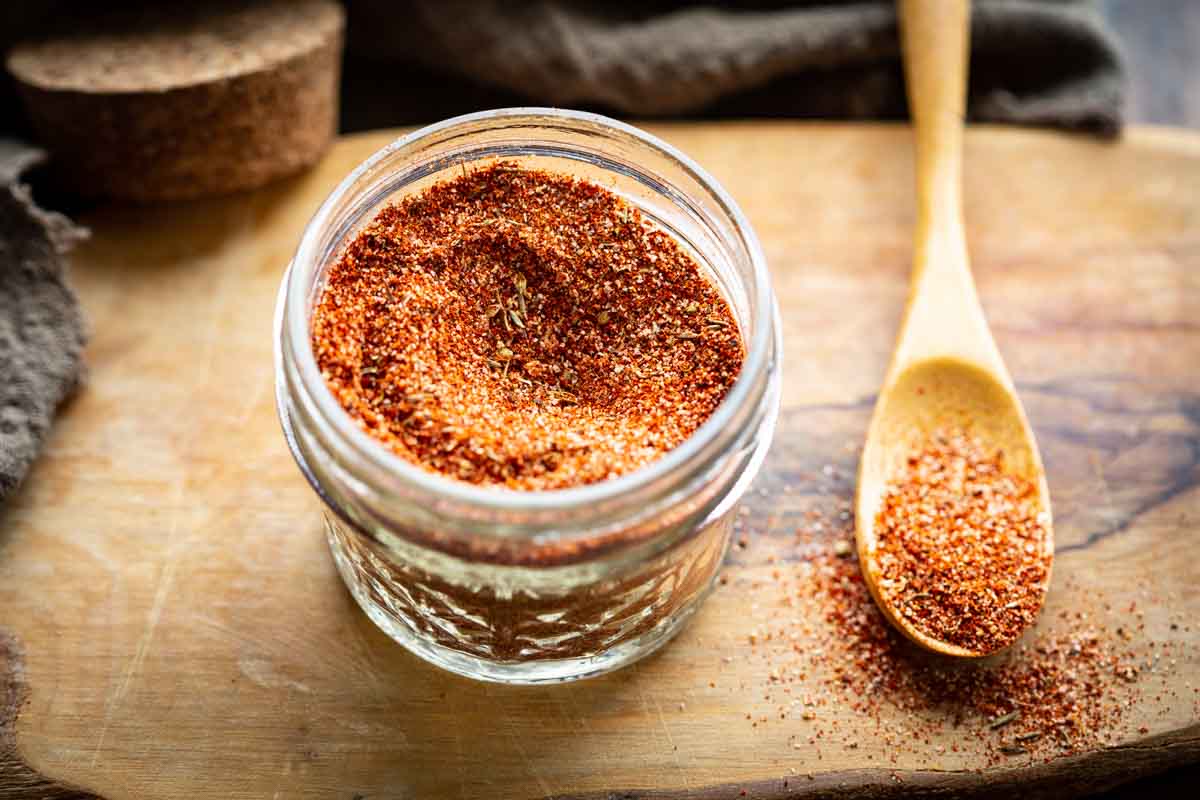
- Combine the paprika, black pepper, white pepper, cayenne, salt, onion powder, garlic powder, thyme and oregano in a small bowl.
Pro Tip: To tell if your spices are still fresh, rub a pinch between your fingers. If it's super mild or barely smells like anything, it's time to replace them before using. Avoid using any spices that have clumped up into rocks or balls, this means they are very old or moisture has seeped in.
- Mix until evenly blended and no clumps remain.
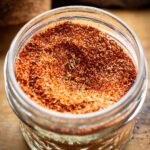
- Transfer to an airtight spice jar or container and store in a cool, dark place for up to 6 months.
Coley's Tips For Success
- I use Diamond Crystal Kosher Salt, which is less salty than other kinds, so you may need to adjust your amount.
- This blend is moderately spicy. For a milder version, reduce the cayenne to ½ teaspoon. For more heat, increase it to 1½ or even 2 teaspoons.
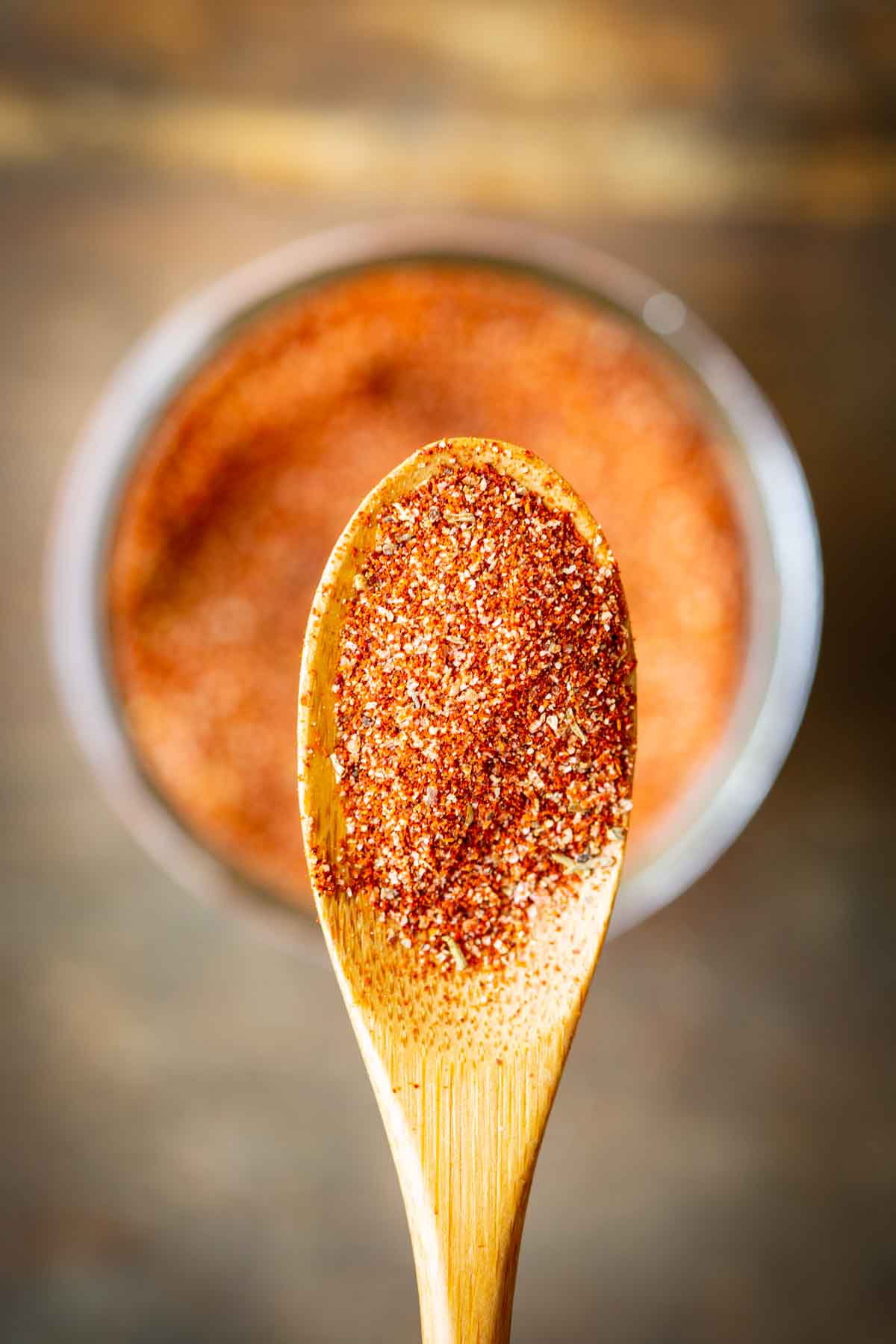
- Shake or stir the seasoning before using to redistribute the spices, since finer powders tend to settle over time.
- This seasoning is designed specifically for blackening, a cooking technique that uses high heat to create a dark, flavorful crust on seafood, chicken and other proteins. It may not work in other applications.
- For the best flavor and crust, use this seasoning along with melted butter and cook in a very hot cast iron skillet.
- Pat proteins dry before coating with butter and seasoning. Excess moisture prevents the seasoning from sticking and creating a good crust.
- When blackening, avoid overcrowding the pan to allow the crust to form instead of steaming.
Blackening Seasoning Variations
- Add dried dill, rosemary, basil, or sage for an extra herbal note.
- Use smoked paprika for a smoky flavor or hot paprika for an even spicier profile.
- Add other kinds of spices for extra heat like chipotle, red pepper flakes, ancho chili powder, or guajillo.
- Add a teaspoon of brown sugar to enhance browning and create a firmer crust.
How to use blackening seasoning
Try it in these bite-sized blackened fish sliders and serve with a zippy Creole remoulade sauce, a bold chimichurri, or a bright lemon caper tartar sauce.
How to Store Blackening Seasoning
Store your blackening seasoning in an airtight container away from heat and light for the best flavor. It will keep well for up to 6 months, but the flavor is strongest within the first 2-3 months.
Blackening FAQs
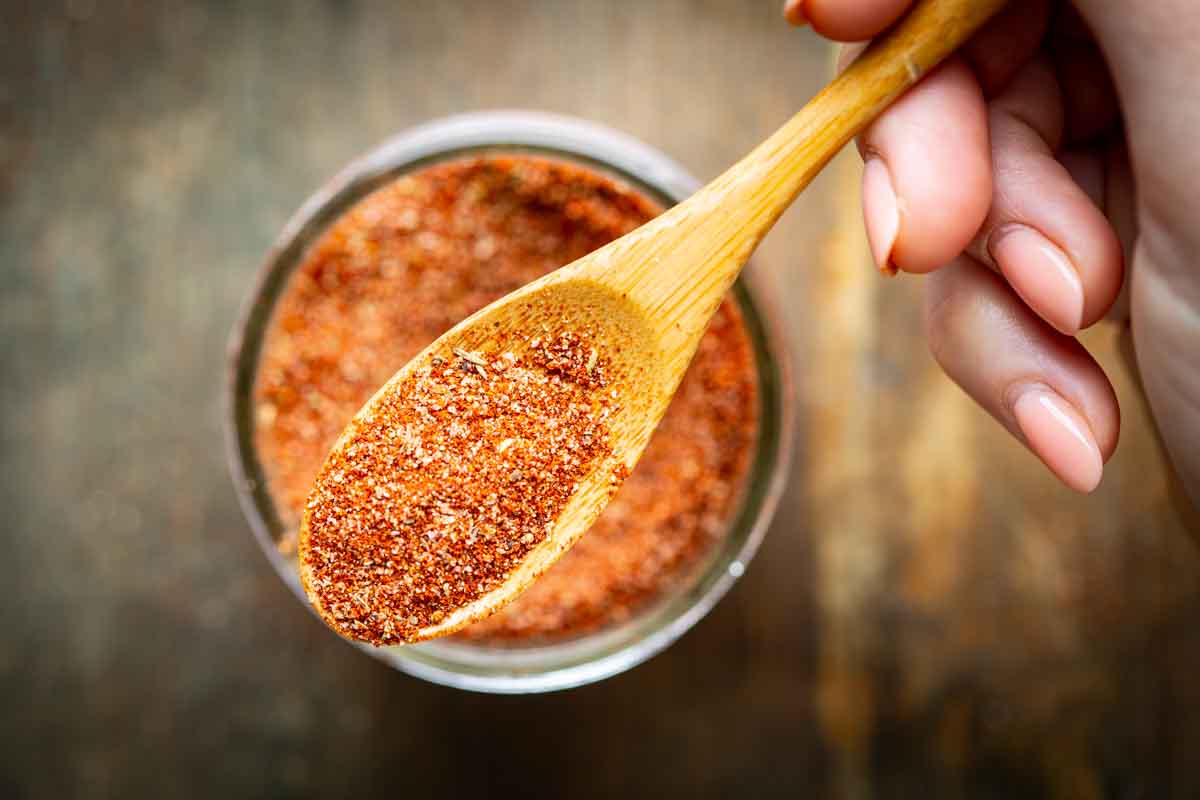
This usually means it's been exposed to moisture. Adding a few grains of rice inside your container can prevent that.
Yes! Try sprinkling your blackening seasoning on hearty vegetables like cauliflower, zucchini, eggplant, or mushrooms before roasting or sautéing.
Cast iron is recommended for blackening because it's the best at retaining heat, but a heavy stainless steel skillet can also work. Steer clear of non-stick skillets.

Did you LOVE this recipe? Please leave a star ⭐️ rating and comment and tag your creations @ColeyCooks on Instagram!
Want to Save This Recipe?
Enter your email & I'll send it to your inbox.
By submitting this form, you consent to receive emails from Coley Cooks.
Recipe for Blackening Seasoning
Ingredients
- 3 tablespoons sweet paprika
- 1 tablespoon black pepper freshly ground
- 1 teaspoon ground white pepper
- 1 teaspoon cayenne pepper or more to taste
- 1 tablespoon kosher salt *see note
- 1 tablespoon onion powder
- 2 teaspoons garlic powder
- 1 teaspoon dried thyme
- 1 teaspoon dried oregano
Instructions
- Combine the paprika, black pepper, white pepper, cayenne, salt, onion powder, garlic powder, thyme and oregano in a small bowl.
- Mix until evenly blended and no clumps remain.
- Transfer to an airtight spice jar or container and store in a cool, dark place for up to 6 months.
Notes
- I use Diamond Crystal Kosher Salt, which is less salty than other kinds, so you may need to adjust your amount.
- To tell if your spices are still fresh, rub a pinch between your fingers. If it's super mild or barely smells like anything, it's time to replace them before using. Avoid using any spices that have clumped up into rocks or balls, this means they are very old or moisture has seeped in.
- This seasoning is designed specifically for blackening, a cooking technique that uses high heat to create a dark, flavorful crust on seafood, chicken, and other proteins. It may not work in other applications.
- This blend is moderately spicy. For a milder version, reduce the cayenne to ½ teaspoon. For more heat, increase it to 1½ or even 2 teaspoons.
- Shake or stir the seasoning before using to redistribute the spices, since finer powders tend to settle over time.
- For the best flavor and crust, use this seasoning along with melted butter and cook in a very hot cast iron skillet.
- Pat proteins dry before coating with butter and seasoning. Excess moisture prevents the seasoning from sticking and creating a good crust.
- When blackening, avoid overcrowding the pan to allow the crust to form instead of steaming.