Best Clam Recipes and Cooking Tips
This collection of the best clam recipes has everything from simple, classic steamers to buttery clams baked on the half shell. Whether you're cooking for a weeknight or a special occasion, these are all easy to follow and guaranteed to impress!
This post may contain affiliate links.
Types of clams
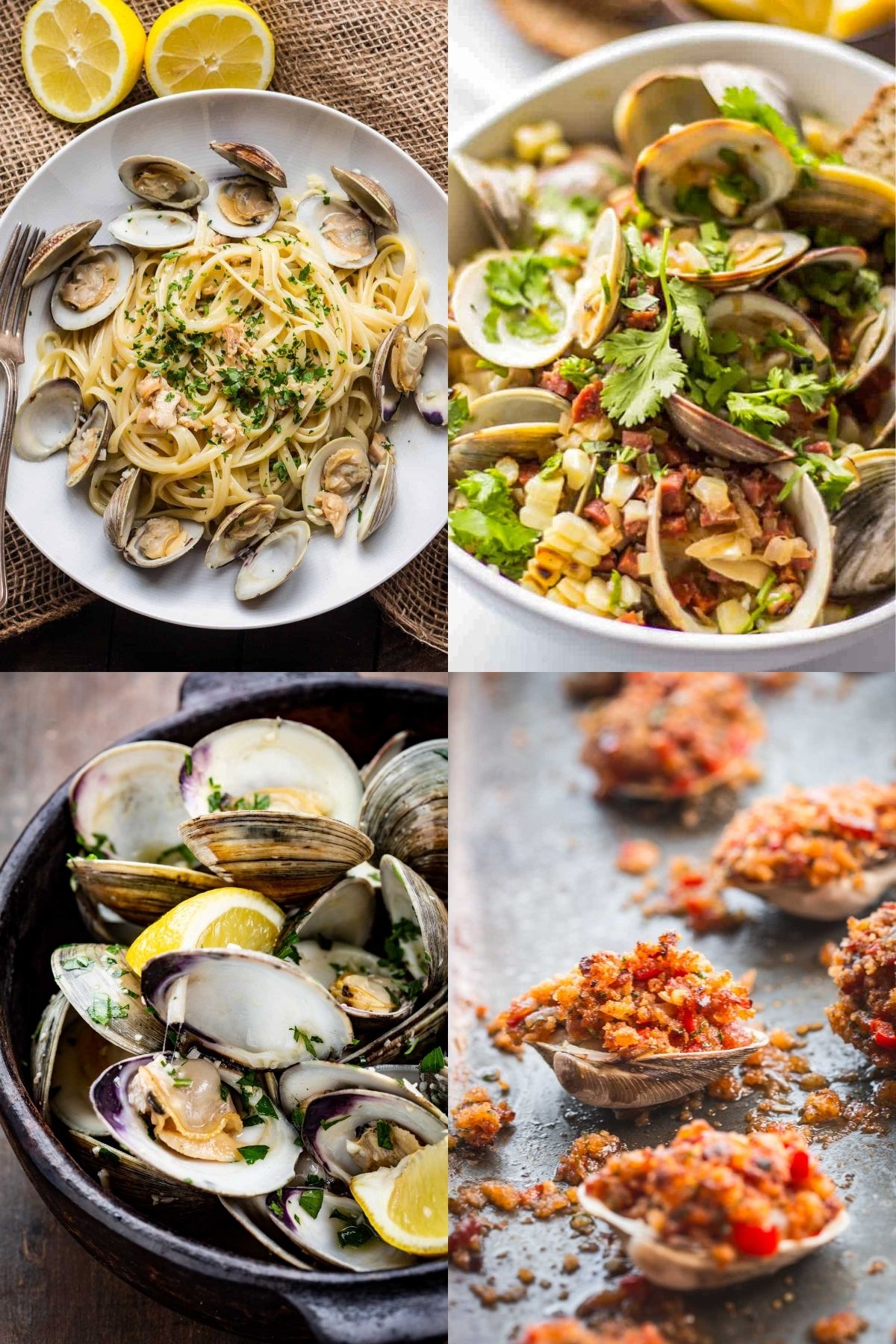
There are quite a few different types of clams, and while they all share that same briny, slightly sweet flavor, the size and texture can vary depending on what you're using them for.
On the East Coast, where I live, you'll mostly find hard shell clams known as quahogs. Depending on their size, they go by different names like littleneck, middle neck, top neck, cherrystone or chowder clams.
Smaller clams, like littlenecks, are more tender and are great for steaming or serving whole, while larger clams are better for chopping and using in things like chowder or stuffed clams.
Littleneck clams are usually my go-to because they're the perfect size and have a nice balance of sweet and briny flavor. They're also what's most commonly available where I live, so we use them for everything from simple steamed clams to pasta and baked dishes.
You might also come across softer shell varieties like steamers, as well as manila clams or cockles, which all work similarly in most recipes. There are also razor clams, which are especially sweet and tender, but harder to come across. Then there are the extra large geoduck clams which are prized for their large meaty siphon (neck) that's often served as sashimi.
The most important thing is to use what's fresh and available to you locally, especially if you're lucky enough to live somewhere coastal where clams are easy to find!
How to buy clams
Always buy clams from a reputable fishmonger or seafood market whenever possible. Freshness matters, and a good fish counter will make all the difference.
Look for clams that feel heavy for their size, with shells that are tightly closed. If a shell is open, give it a tap. If it snaps shut, it's alive and good to go. If it doesn't move, toss it. The same goes for any clams with cracked or broken shells.
Clams should smell clean and briny, like the ocean, never fishy. That's one of the easiest ways to tell if you're dealing with fresh shellfish.
If you have the option, go with what's local and in season. Where I live, littleneck clams are easy to find and are what I reach for most often, but any fresh, small clams will work for the majority of recipes.
And if fresh clams aren't available, canned clams and bottled clam juice are great pantry staples! I use them all the time in recipes like chowder and pasta when fresh clams aren't available.
How To Store Fresh Clams
Fresh clams are alive, so how you store them really matters. When handled properly, they can last several days in the refrigerator, sometimes up to a week.
The best way to store them is in a colander or perforated bowl set over another bowl to catch any liquid. Pack them with ice on top and keep them in the fridge uncovered. As the ice melts, drain off the water and replace it daily.
If any clams open while they're stored, give them a tap. If they close, they're still alive, and if not, discard them.
Avoid sealing clams in an airtight container or submerging them in fresh water, since they need to breathe to stay alive.
How to clean and purge fresh clams
Before cooking, it's important to clean clams well so you don't end up with gritty sand in your dish.
Start by rinsing them under cold water and scrubbing the shells with a stiff brush to remove any dirt or debris. From there, you'll want to purge them to help get rid of any sand inside.
Place the clams in a bowl of cold salted water, about ¼ cup of salt per gallon, or enough so it tastes like seawater. Let them soak for 20 to 30 minutes so they can naturally filter out any grit.
Some people add flour or cornmeal to the water, but I don't find it necessary. A simple saltwater soak does the job just fine.
After soaking, give them another good rinse under cold water before cooking.
The Best Clam Recipes
We eat a lot of clams where I live, especially in the summer, so I'm always finding new ways to cook them. This collection includes a mix of classics and a few more creative dishes, all built around simple techniques and big flavor. Most of them come together quickly and let the clams do the heavy lifting!
Pistachio Pesto Pasta And Clams
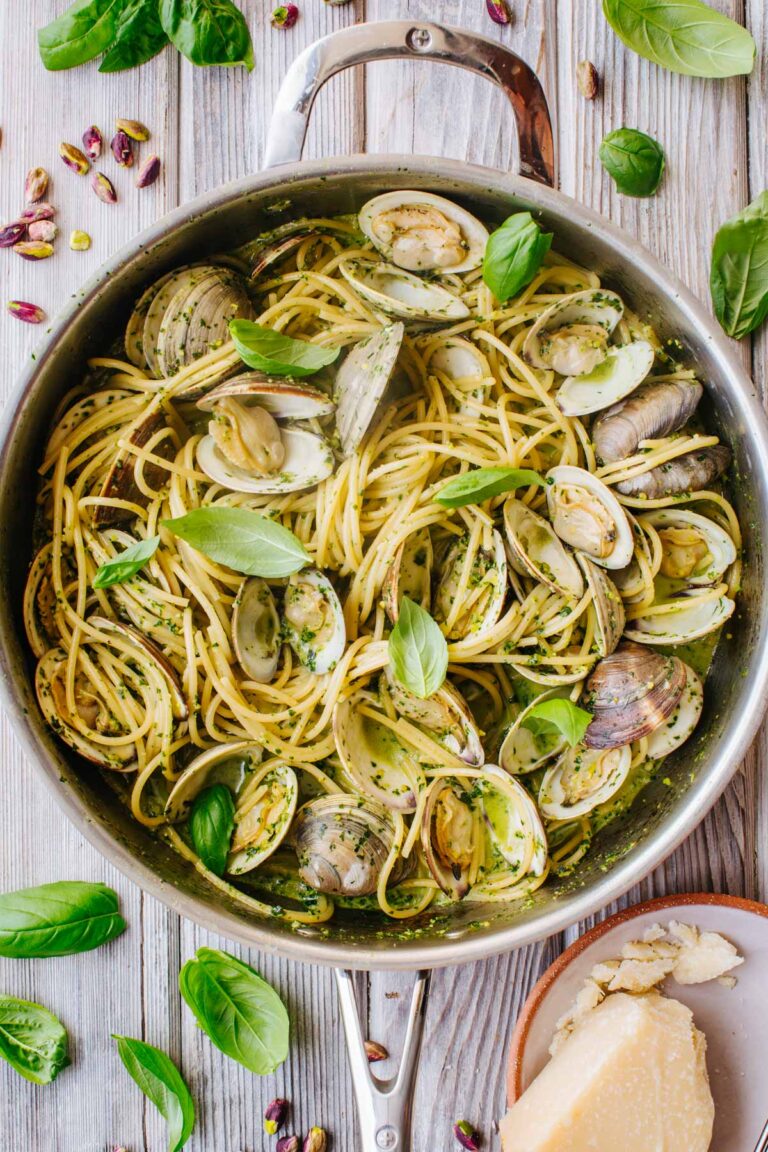
Inspired by one of the best things I ate in Sicily, this pasta combines two of my all-time favorites, spaghetti alle vongole and pesto. Briny littleneck clams, fresh pistachio pesto, white wine, and just a splash of cream come together for a pasta that's rich, fresh, and completely irresistible.
Steamed Clams with White Wine and Garlic
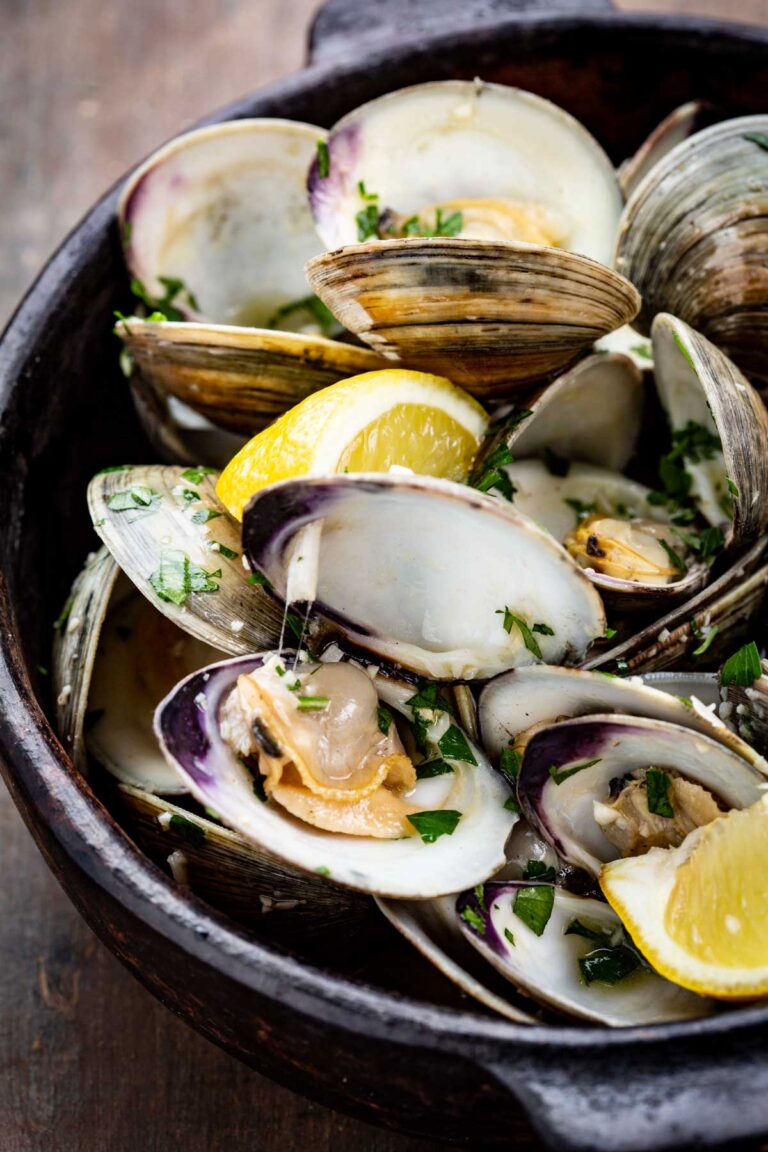
This is the kind of simple, classic clam dish everyone should know how to make. The clams release their natural juices into a broth of garlic, white wine, and butter that's rich without being heavy. It comes together quickly with just a handful of ingredients, but tastes like something you'd order at a great seafood spot.
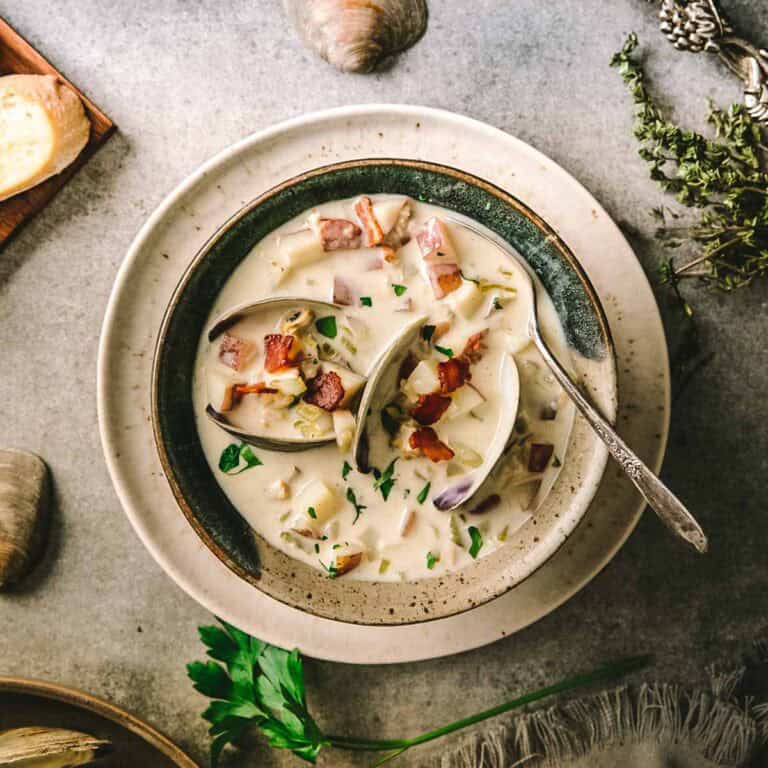
New England Clam Chowder
This classic New England clam chowder is a family recipe that's been passed down through generations of fisherman's wives, and it shows. The clams get added at the very end to keep them tender, while the broth stays rich and balanced without being overly thick. It works with fresh or canned clams, and always tastes even better the next day.
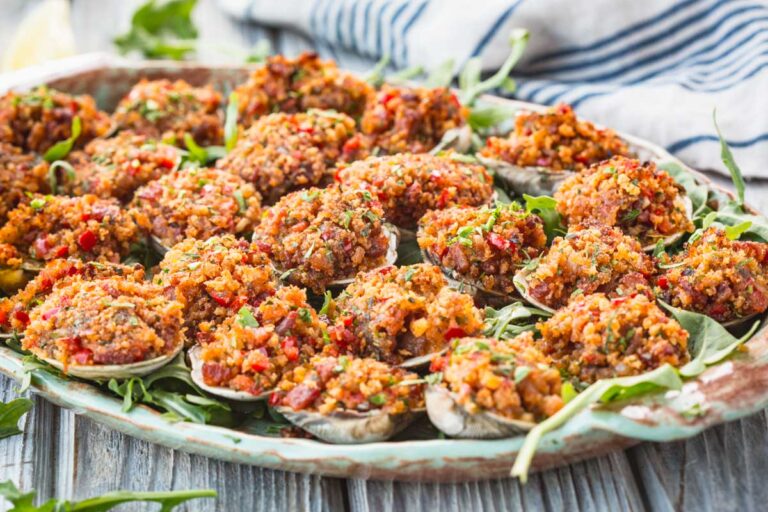
Clams Casino
This old-school classic is all about getting the details right. Tender clams are topped with crispy bacon and buttery, toasted breadcrumbs, along with a mix of peppers, shallots, and lemon for balance. It takes a little extra effort, but the payoff is a perfectly crisp, flavorful bite that's worth it, especially for special occasions.
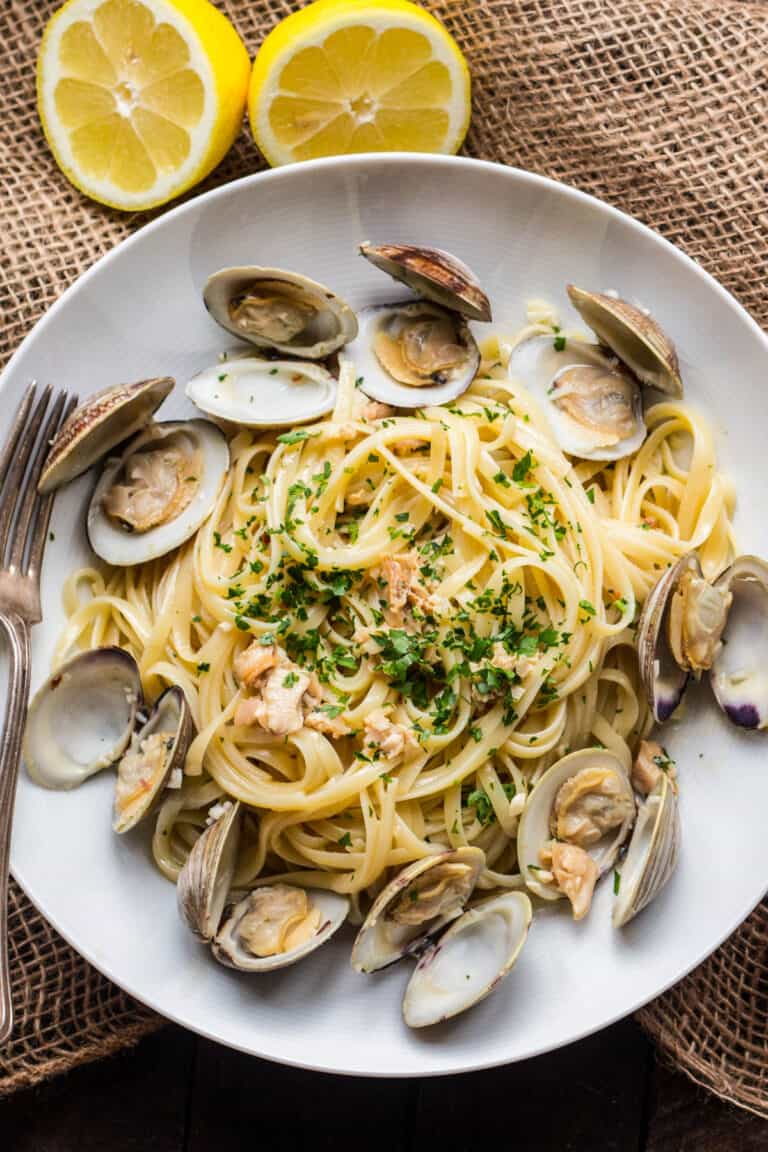
Linguine with Clam Sauce
This classic linguine with clams is a staple I grew up with, thanks to my dad being a commercial clammer. The sauce builds big flavor from garlic, butter, and reduced clam juice, and works with both fresh and canned clams. It's simple and comes together in about 30 minutes.
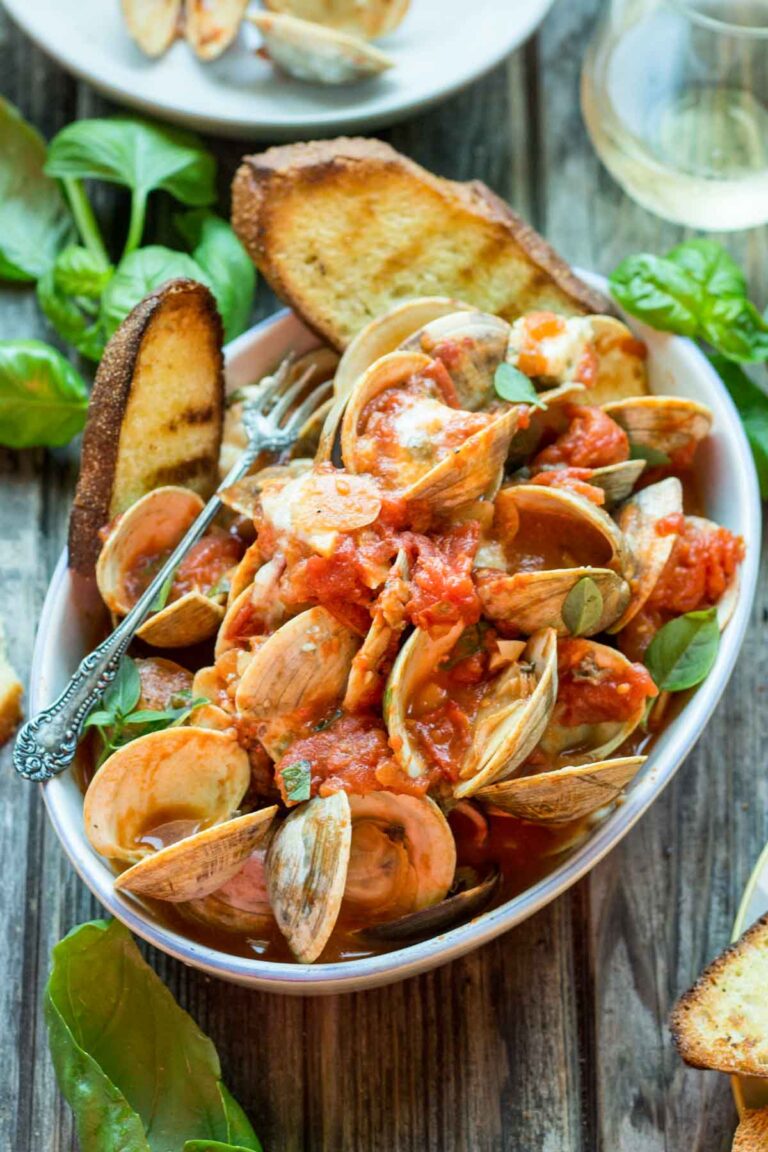
Clams with Tomatoes, Basil and Blue Cheese
This one breaks the rules in the best way. Sweet tomatoes, fresh basil, and creamy blue cheese come together with briny clams for a combination that sounds unexpected but really works. The key is letting the clams cook just until they open, then finishing the sauce so everything stays balanced and tender.
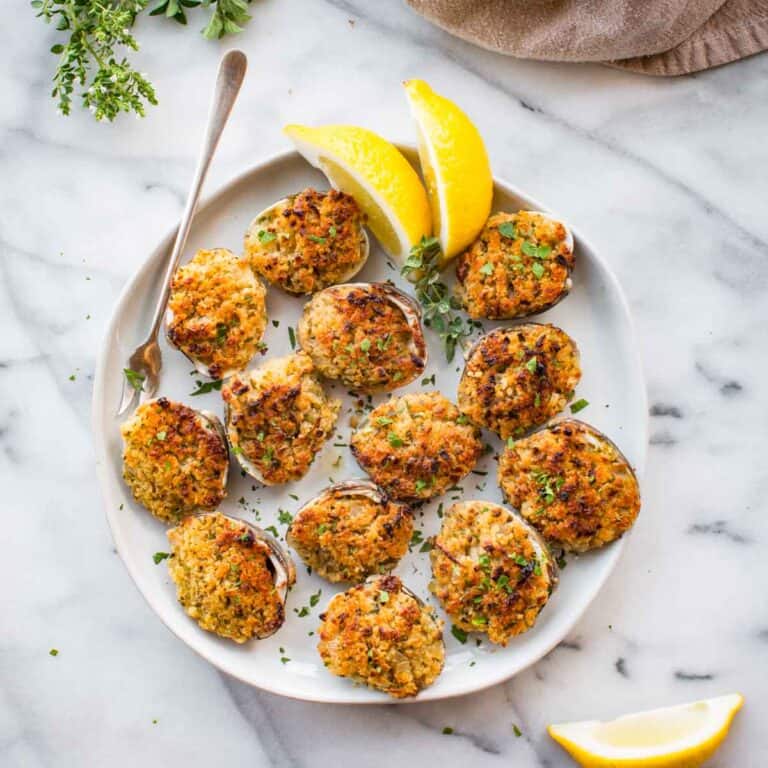
Italian Baked Stuffed Clams
These baked stuffed clams follow a classic oreganata preparation with a crisp, lemony breadcrumb topping over tender littleneck clams. The key is cooking the clams just until they open, then finishing them in the oven for the perfect contrast. It's a staple for holidays like the Feast of the Seven Fishes, but easy enough to make any time.
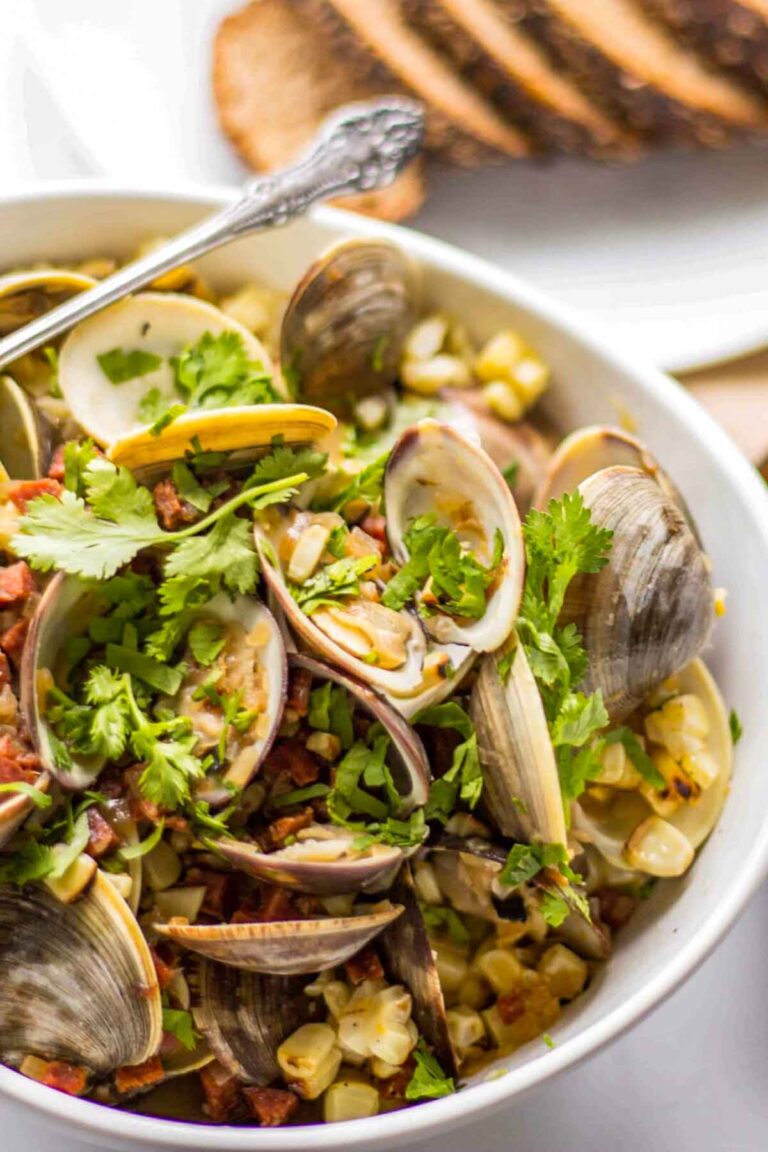
Clams with Chorizo and Grilled Corn
This summertime dish pairs tender clams with smoky grilled corn and spicy chorizo for a really balanced mix of flavors and textures. The sauce comes together quickly with white wine and butter, then gets finished with fresh cilantro for a bright, fresh contrast.
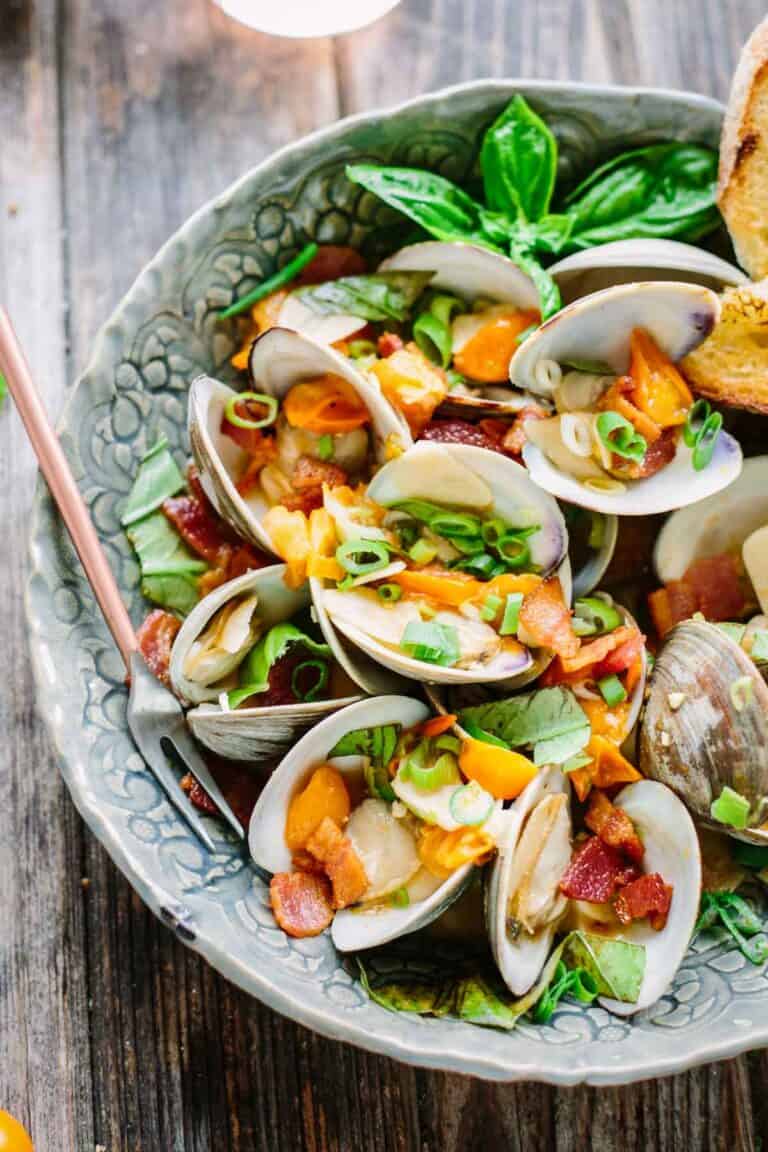
Steamed Clams with Bacon and Tomatoes
This quick, one-pot dish combines clams with smoky bacon, juicy tomatoes, and a little heat from jalapeño. Everything cooks together into a really flavorful broth that's perfect for soaking up with crusty bread. It's simple, fast, and just right for an easy summer dinner.
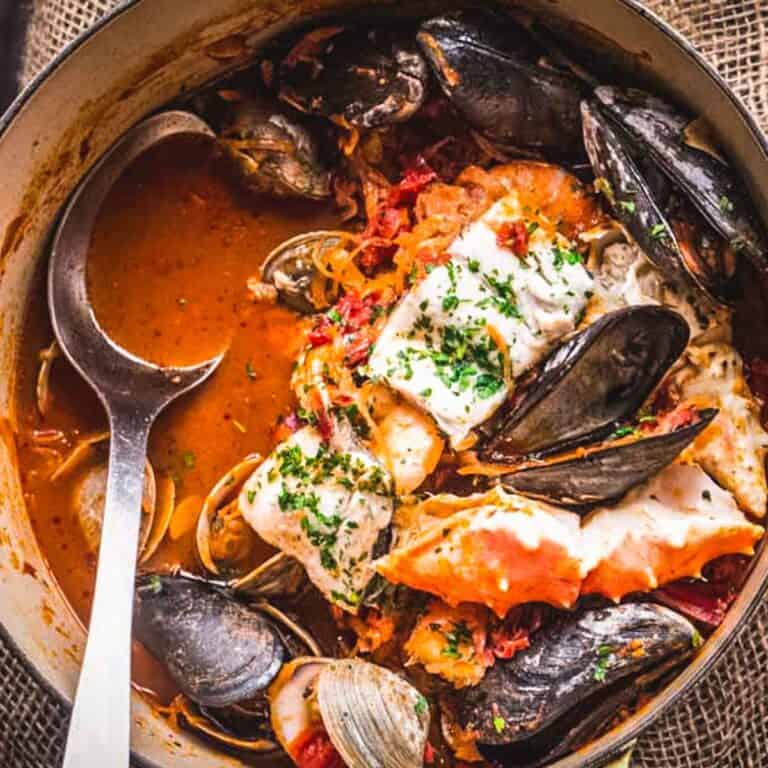
San Francisco Cioppino
This classic cioppino is a rustic seafood stew loaded with clams, shrimp, mussels, crab, and fish in a light tomato broth. The key is adding the seafood in stages so everything cooks perfectly without overdoing it. It's impressive but surprisingly simple.
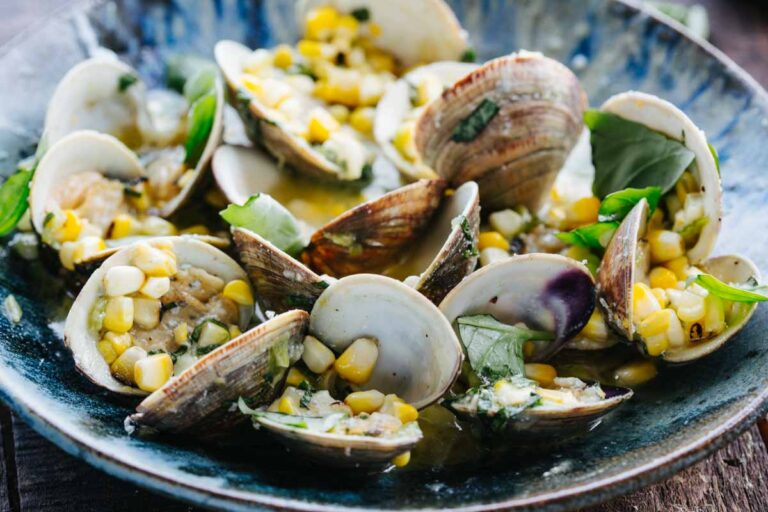
Grilled Clams and Corn
These grilled littleneck clams are tossed with a rich Gorgonzola compound butter, sweet grilled corn, spicy charred chiles, and fresh basil. It's an unexpected combination that works perfectly, especially with plenty of crusty bread for soaking up the buttery sauce.
Tips For Cooking Clams Perfectly
- Discard any clams that are cracked or don't close when tapped before cooking. They should be alive going into the pot.
- As the clams cook, remove them from the pot as soon as they open. This keeps them tender and prevents them from overcooking, which can make them tough.
- If a few clams don't open right away, give them a little more time. Sometimes they're just stubborn. But if they still won't open after cooking, discard them.
- Save the cooking liquid. It's packed with briny flavor and makes an incredible base for sauces, soups, or pasta. Just be sure to strain it first to remove any grit.
- Use a wide, shallow pot and avoid overcrowding. Clams need space to open evenly, and stacking them can lead to uneven cooking.
FAQs
Yes, absolutely. Canned clams are a great pantry staple and work really well in recipes like chowder or pasta. They're convenient, more affordable, and still give you plenty of flavor.
Before cooking, clams should be tightly closed or close when tapped. If they stay open or have cracked shells, discard them. They should also smell clean and briny, never fishy.
The key is to not over cook them. When steaming or grilling clams, remove them with a pair of tongs as soon as they open, then continue cooking the remaining clams until they're all opened. This ensures that each clam is perfectly cooked and tender rather than tough.
If a clam doesn't open after cooking, it should be discarded. Just make sure to give them enough time first, some clams take a little longer than others.